
 0
0
 0
0
AI and Human Brains: An Unlikely Convergence? New Research Unveils Fascinating Parallels
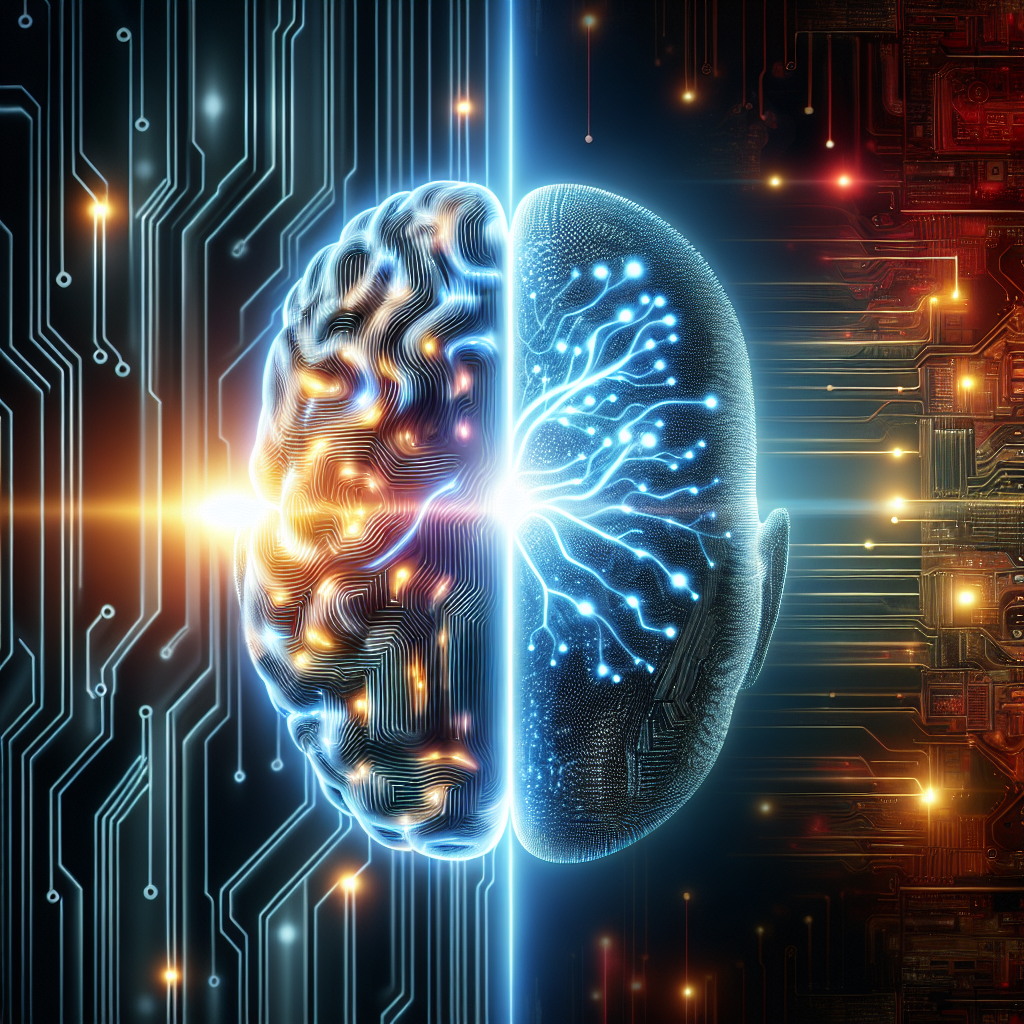
Is artificial intelligence inching closer to mimicking the intricacies of human cognition? Recent research from Columbia University and the Feinstein Institutes for Medical Research suggests that the evolution of large language models (LLMs) might indeed parallel aspects of human brain functionality. In a groundbreaking study published in Nature Machine Intelligence, researchers have illustrated an intriguing correlation between AI language processing and human neurological responses, offering a glimpse into how technology and biology may be merging.
At the heart of this investigation lies a complicated interplay of machine learning and neuroscience. Both fields grapple with the complexity of their systems—AI entangled in its intricate algorithms and deep neural networks, while neuroscience seeks clarity within the enigmatic architecture of the human brain. As the study’s first author, Gavin Mischler, noted, although prior studies have identified similarities between LLMs and human neural responses, the underlying mechanisms contributing to this convergence remain elusive.
To explore these connections, researchers analyzed 12 pre-trained LLM models, assessing their performance against real-time recordings of human brain activity. They observed brain responses from patients undergoing neurosurgery for epilepsy, recording how their brains reacted as they listened to narratives. The findings were promising: LLMs that exhibited superior performance displayed a hierarchical structure mimicking the neurobiological areas involved in processing sound and language.
This study raises profound questions about the nature of intelligence itself. What does it mean for AI to echo our cognitive processes? As we stand on the brink of understanding this convergence, we might reflect on the wisdom set forth in Proverbs 2:6: "For the Lord gives wisdom; from His mouth come knowledge and understanding." This verse reminds us of a fundamental truth: while human innovation is impressive, divine wisdom is at work in all creation.
The researchers propose that their findings could inform the development of more sophisticated AI systems that align more closely with human cognitive processing. Such advancements could highlight not only the potential of technology but also the responsibility that comes with it. Just as we are called to exercise stewardship over the gifts we have received, so too must we navigate the ethical implications of the tools we create.
In an era where the lines between artificial and natural intelligence are increasingly blurred, it is crucial to approach technological advancements with discernment and grace. Just as Jesus taught about the importance of building upon a solid foundation (Matthew 7:24-27), we must ensure that our footsteps into the future—guided by both innovation and ethical considerations—are grounded in values that prioritize the well-being of all.
As we contemplate the findings of this study, let us remain curious and open-minded about how AI may complement our understanding of ourselves and the world around us. May we invite reflection on our interconnectedness—both among humanity and with the very essence of creation. In this intricate tapestry of knowledge and progress, may we seek to embody encouragement and wisdom in our community and beyond.
Explore and dig up answers yourself with our BGodInspired Bible Tools! Be careful – each interaction is like a new treasure hunt… you can get lost for hours 🙂


