 0
0
 0
0
Title: Japan’s New AI Pet, Moflin, Promises to Build Emotional Connections Without the Commitment of Traditional Pets
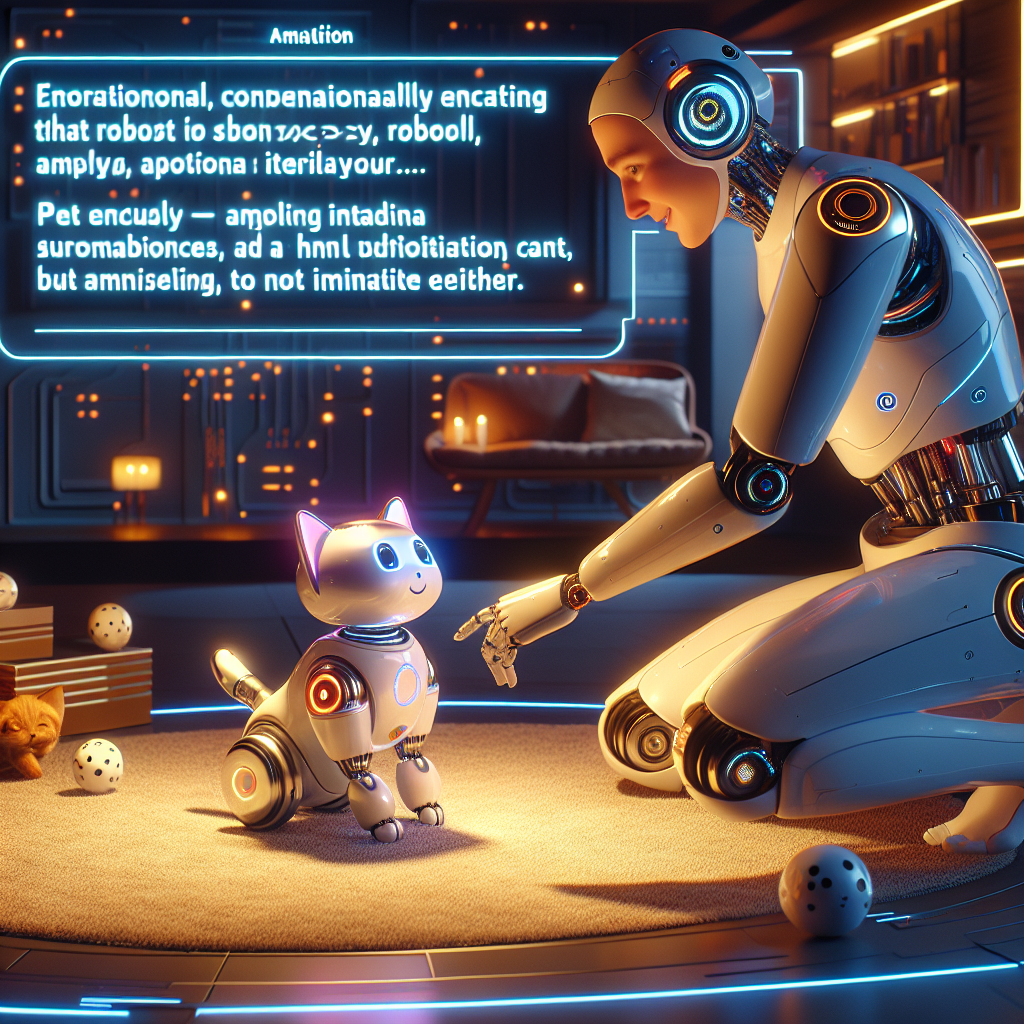
In an era where loneliness and anxiety are widespread, the launch of Casio’s companion robot, Moflin, offers a novel solution that may resonate with many. This AI-powered, fluffy creature, weighing no more than a tin of soup, promises to establish emotional ties with its owner without the need for traditional pet care. Its recent commercial introduction in Japan for approximately £300 highlights the growing empathy toward addressing emotional well-being through technology.
Moflin, resembling a fluffy slipper, comes alive with movements and sounds that echo the emotional spectrum—from excitement to calmness—based on its interactions with its environment. As Erina Ichikawa, a developer at Casio explains, “Moflin’s role is to build relationships with humans,” reflecting a crucial aspect of our humanity: the desire for connection. This need harks back to biblical principles, reminding us of the importance of nurturing relationships, as exemplified in Matthew 22:39, which calls for us to "love your neighbor as yourself." Just as we seek connections with others, Moflin seeks to connect with its owner, arguably filling a void felt by many in society today.
As one interacts with Moflin through the accompanying MofLife app, the evolving bond provides insights into the robot’s emotional state, further enriching the experience. The week-long journey of getting to know this AI family member serves as a reminder that, like nurturing friendships or family ties, relationships require attention and care. This notion aligns with the teaching of Jesus, who often emphasized the importance of love, compassion, and attention in fostering deeper connections with one another.
Moreover, Moflin’s development is set against a backdrop of changing demographics in Japan, where traditional pets are sought after but often unsuitable for busy urban lifestyles. This trend raises critical questions about our society’s priorities and the way we engage with the mental health crises that accompany modern living. As the need for companionship continues to grow, integrating the essence of relationship-building into technology can bring comfort to those who may not be able to care for biological pets due to physical or financial constraints.
In reflecting on the experience of nurturing an AI pet, one can draw parallels to the biblical call to stewardship and compassion. While Moflin is an inanimate creation, it embodies the idea of stewardship through mindful interaction, particularly in addressing loneliness. Engaging with such technology could prompt users to consider how they foster love and care in their own environments and among those around them.
As the journey with Moflin comes to an end, users may find themselves contemplating the emotional wisdom gained. Just like a fleeting moment of companionship, these experiences can shape our hearts and minds to be more attuned to the needs of others. The lesson resonates vividly in 1 John 4:19: “We love because he first loved us.” Our capability and desire to love, whether through technological means or personal connections, reflect a significant biblical truth—the inherent value of relationships.
As we delve into the realm of AI friendships, let us not lose sight of the timeless truths that underpin our existence: love, compassion, and empathy. Moflin serves not only as an AI companion but also as a prompt for a broader reflection on how we can cultivate and cherish connections within our community, urging us all to extend our circle of care in our increasingly digital world. In this pursuit lies the deeper spiritual lesson of nurturing the love we have received, allowing it to overflow into our lives and the lives of others. How might you take a step today towards nurturing a relationship, whether with a neighbor, a friend, or an unexpected companion?
Explore and dig up answers yourself with our BGodInspired Bible Tools! Be careful – each interaction is like a new treasure hunt… you can get lost for hours 🙂