 0
0
 0
0
Renewal Through Nature’s Cycle: The Hidden Boneyard of Yellowstone
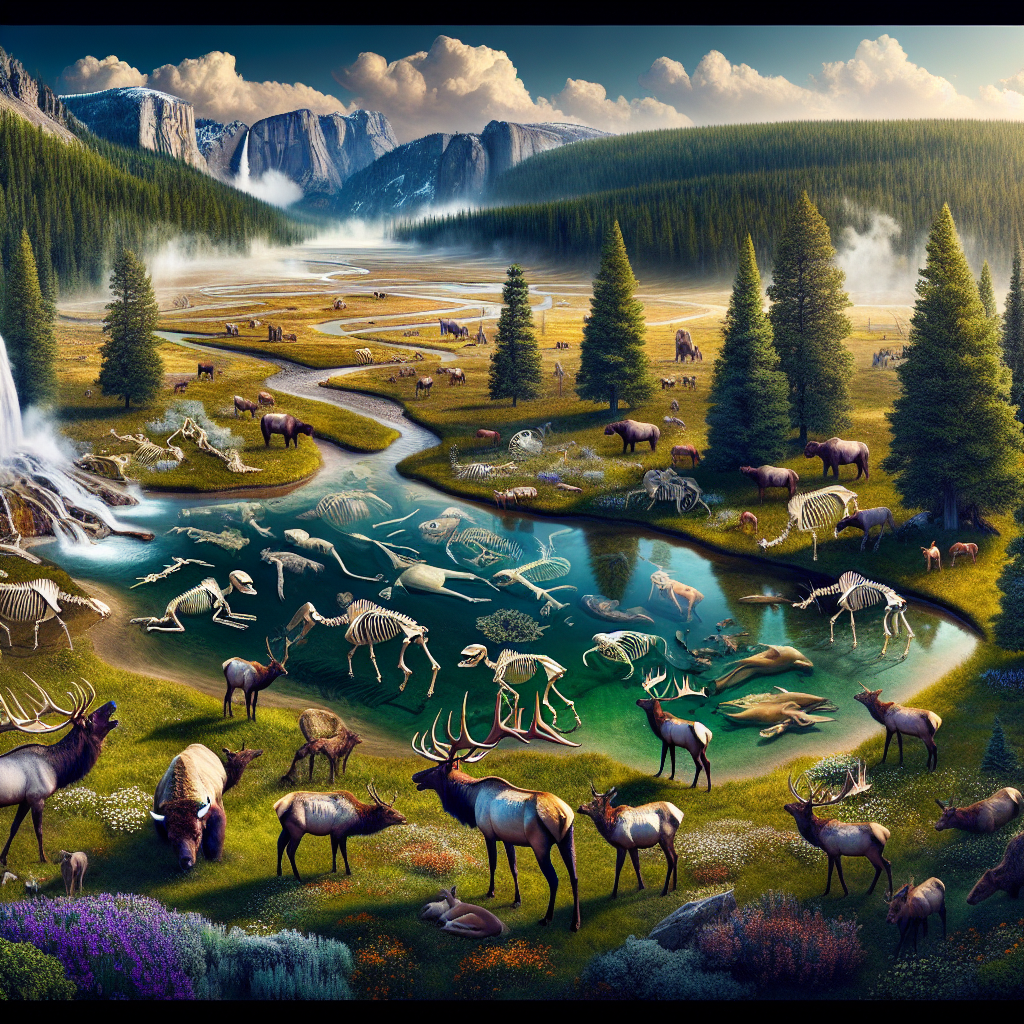
In an isolated corner of Yellowstone National Park, a profound cycle of life and death unfolds, showcasing nature’s intricate balance. Here, in what has been dubbed the "animal boneyard," numerous elk, bison, and other wildlife meet their end—often just as spring begins to bloom. This phenomenon, while somber, also reveals how death leads to renewal, reminiscent of the biblical principles of sacrifice and resurrection.
Wildlife filmmaker Casey Anderson, who has ventured into this seldom-seen area, describes it as a secluded space in Yellowstone’s “northern range,” away from the usual trails. “Bones can be found just about anywhere in Yellowstone,” he says, but they seem especially concentrated in this unique graveyard. These scattered carcasses may seem grim, but for many, they signal a feast. Grizzlies, wolves, and eagles converge upon these remains, celebrating the vitality of life that unfolds from death.
Prominent outdoor adventurer and influencer, Coyote Peterson, likens this ethereal site to the “elephant graveyard” in Disney’s The Lion King, where the circle of life is poignantly illustrated. Upon visiting the boneyard with Anderson, Peterson shared, “As soon as we got over that first ridge into the valley, we just started finding bones everywhere.” This imagery resonates deeply, illustrating how even death can become a source of sustenance and a catalyst for life.
Why Do So Many Animals Die Here?
The reasons behind this tragic yet fascinating occurrence stem from spring’s deceptive nature. As the snow melts and green grass shoots up, herbivores, who have endured a harsh winter, flock to these nutrient-rich patches. Anderson elaborates, explaining that this sudden dietary shift can be fatal, especially for the elderly. "It’s like if you have a horse that was stuck eating dry grass all winter, and you suddenly started feeding him fresh, green alfalfa." The shock can result in dehydration and even death.
And yet, this gruesome cycle offers nutritious rewards for scavengers. As Anderson notes, "Nature has perfect timing." In the spring, when predators are awakening from hibernation and young ones are being born, these carcasses provide a crucial source of food. This cycle mirrors the biblical teaching that life often arises from sacrifice—a sentiment echoed in John 12:24: "Very truly I tell you, unless a kernel of wheat falls to the ground and dies, it remains only a single seed. But if it dies, it produces many seeds."
The Tables Turn in Seasons of Mildness
Nature’s cycles are not without their fluctuations. In winters that are less severe, prey animals like elk and bison may have better access to forage, allowing them to survive the critical shift to spring’s green growth. This invigoration, however, can create challenging conditions for carnivores, reminding us of the delicate balance of life, akin to the experiences of spiritual growth and trial.
Despite the stark realities of the animal boneyard, Peterson describes it as heaven for those who appreciate bones and wildlife remains. He remarks, "I don’t think I’ve ever found as many bones in a six to seven-hour window." The duo found immense elk antlers and skulls, marveling at nature’s grandeur while adhering to Yellowstone’s regulations to leave the remains undisturbed.
Both Anderson and Peterson emphasize the importance of preserving this sacred space, a philosophy rooted in stewardship of the earth as instructed in Genesis 2:15: “The Lord God took the man and put him in the Garden of Eden to work it and take care of it.”
A Reflection on Life’s Cycle
The animal boneyard in Yellowstone serves as a profound reminder of life’s interconnectedness—a cycle where death nourishes new beginnings. As you reflect on this natural phenomenon, consider the ways in which endings in your own life can indeed lead to new opportunities for growth, renewal, and nourishment of the spirit.
Allow this to inspire you: In the midst of life’s trials, remember the promise of change and resurrection. As we honor the cycles of life, let us also commit to nurturing our environment and each other, living out the principles of stewardship and care mirrored in nature.
Take a moment to look around you; how are you nurturing new growth in your life?
If you want to want to know more about this topic, check out BGodInspired.com or check out specific products/content we’ve created to answer the question at BGodInspired Solutions