Wildlife Revival at Zion National Park: A Testament to Balance and Stewardship
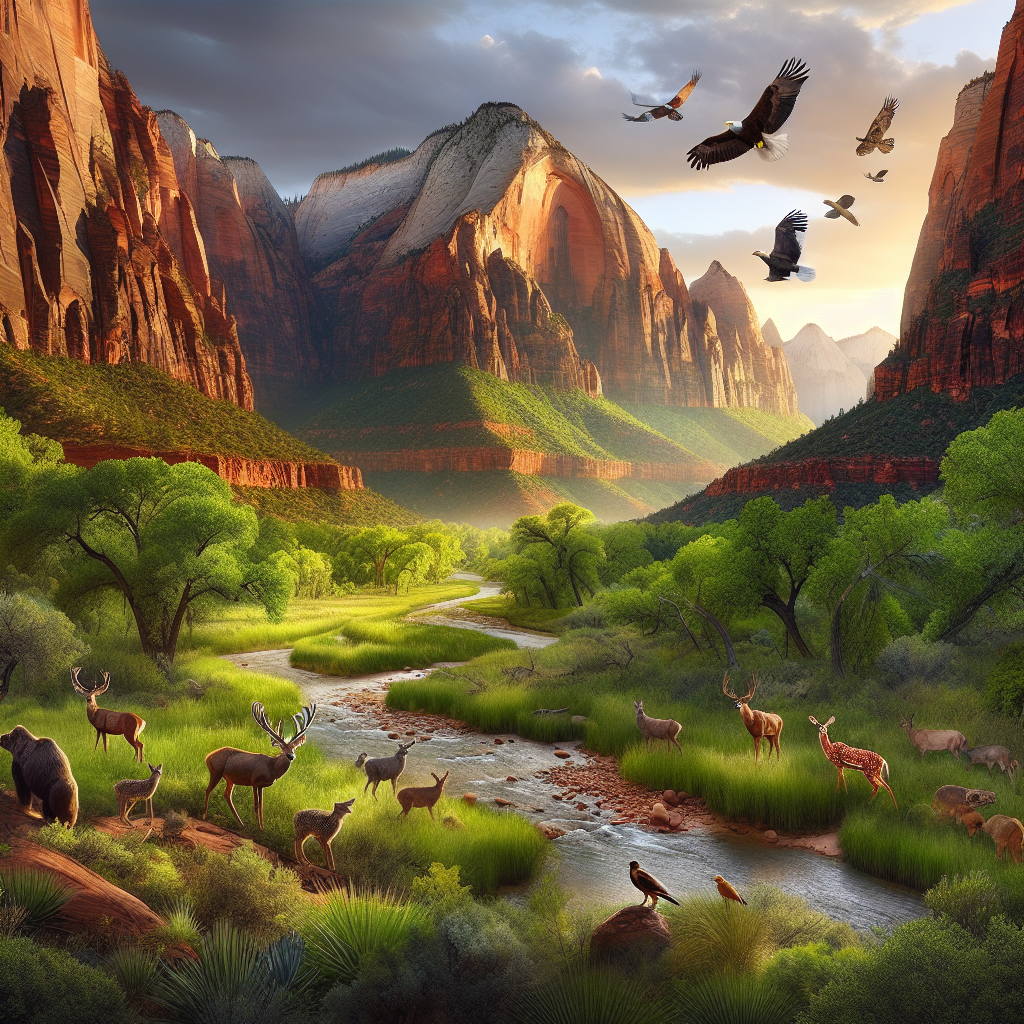
ZION NATIONAL PARK, Utah — In a remarkable indication of nature’s resilience, the animal kingdom is reportedly making a comeback in Zion National Park. Increased sightings of black bears and the rare return of porcupines are shining a light on the delicate balance between wildlife and human visitors.
During the summer, park officials noted several black bear sightings, with wildlife biologist Adam Reimer clarifying that these encounters illustrate more about the bears’ roaming habits than a population surge. “We did have seven sightings between May and June of this year. That’s not necessarily seven bears; it could have been one or two, covering a large area,” he explained. This message serves as an important reminder: the creatures of Zion have thrived long before humans arrived, and it is essential to respect their space.
Thinking about our behavior in nature draws parallels to biblical stewardship principles. In Genesis 2:15, it is written, “The Lord God took the man and put him in the Garden of Eden to work it and take care of it.” This call for caretaking urges us to be conscientious stewards of our environment, acknowledging that we are part of a larger creation.
As visitors flock to the park, Reimer emphasizes an essential guideline: “Don’t feed the animals.” Overindulgence can lead not only to health issues among wildlife, such as the park’s “overweight squirrels,” but also to a potentially dangerous dependency on human food sources. The thrill of observing these animals in their natural habitat should come with the responsibility of preserving their well-being — a principle we can often overlook.
One encouraging sign of nature’s restoration is the rare sighting of a porcupine, once a familiar presence in Zion but rarer in recent years. Reimer notes, “Zion used to be known for its porcupines… to see them coming back, maybe something’s turning positive for them.” This highlights the importance of fostering environments where wildlife can thrive, a task that resonates with the biblical principle of caring for creation.
Park rangers also offer a practical guideline for wildlife encounters: if you can’t cover an animal with your thumb held at arm’s length, you’re too close. This simple rule serves as a metaphor for our broader interactions with the world around us — giving us pause to assess our presence and impact.
As we reflect on the resurgence of wildlife at Zion and our role in it, it challenges us to consider how we can contribute to the flourishing of the environment, remembering the interconnectedness of all life. Just as Christ taught the importance of loving one another, let us extend that love to the world around us, nurturing and respecting the ecosystems that sustain us.
In Matthew 6:26, Jesus reminds us, "Look at the birds of the air; they do not sow or reap or store away in barns, and yet your heavenly Father feeds them." This beautiful instruction invites us to trust in the provision of God, while also taking responsible action as stewards of a world that reflects His glory.
As we engage with nature, let’s be mindful of our approach, ensuring it aligns with these fundamental principles of care and respect. Let us leave Zion National Park better than we found it, both for the creatures that call it home and for the generations who will behold its beauty to come.
Explore and dig up answers yourself with our BGodInspired Bible Tools! Be careful – each interaction is like a new treasure hunt… you can get lost for hours 🙂