 0
0
 0
0
Ancient Wonder: Two-Headed Fossil of Prehistoric Reptile Discovered
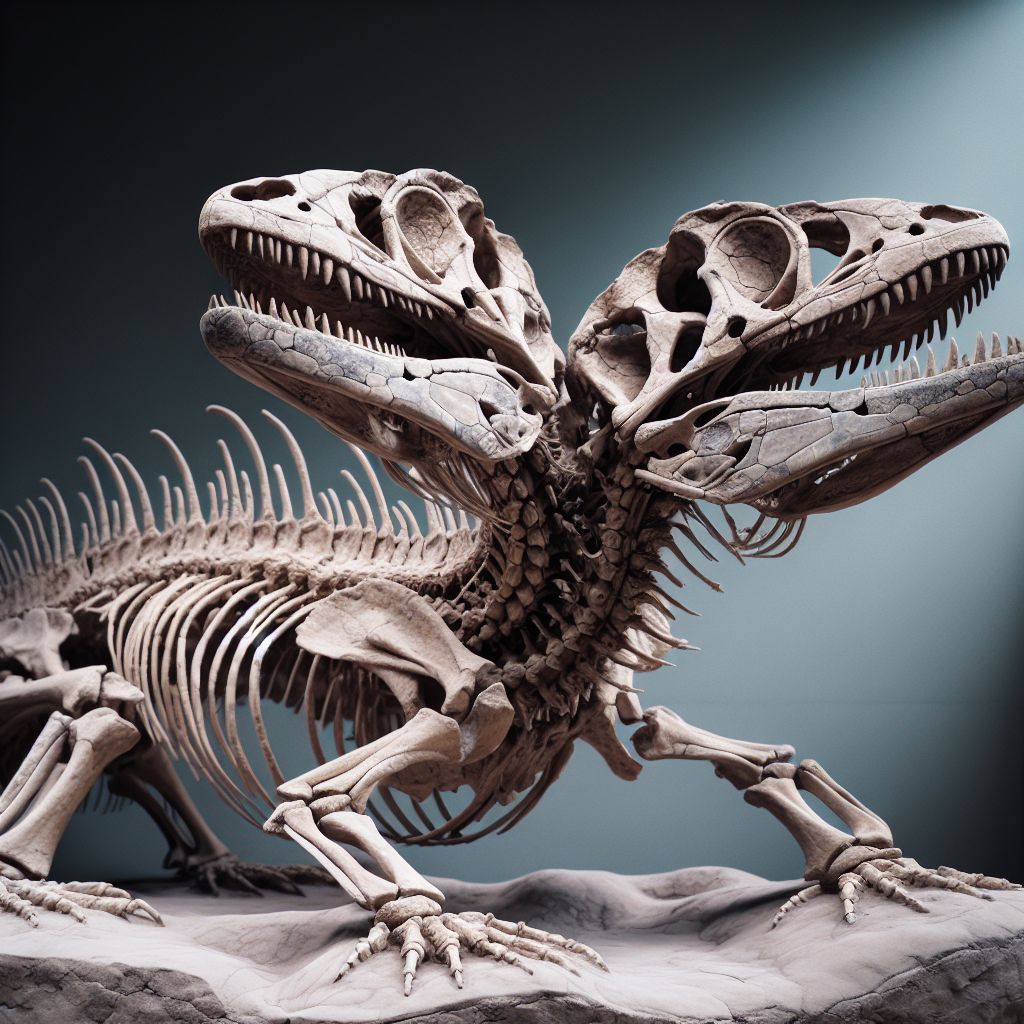
In an unprecedented discovery, a study published back in 2006 unveiled a fossil that has intrigued both scientists and enthusiasts alike: a prehistoric reptile dating back approximately 125 million years, characterized by its rare trait of having two heads. This remarkable specimen, Hyphalosaurus lingyuanensis, has not only drawn attention for its anatomical anomaly but also sparked a fascinating discussion on the intricacies of nature and creation.
Bicephalism—where an organism develops two heads—is a phenomenon seen sporadically in the animal kingdom, albeit rarely. From two-headed snakes with independent brains to the more common sight of bicephalic turtles, nature often reminds us of its creativity and complexity. As Dr. Dean Lomax, a prominent paleontologist who has expressed deep admiration for this fossil, points out, the occurrence of such unique adaptations is extraordinary. "To think just how rare bicephalism is in the world today, combined with the fact that fossilization is incredibly rare, makes this fossil truly exceptional," Lomax stated.
The Hyphalosaurus fossil was excavated from the famed Jehol Biota fossil beds in Liaoning Province, China, recognized for producing impressively preserved specimens, including those with feathers and soft tissues. Given the stark backdrop of natural selection and survival of the fittest, the existence of a two-headed reptile prompts us to ponder deeper questions about life’s diversity and purpose.
While skeptics may raise eyebrows at the authenticity of this rare find, investigations have confirmed its validity. The mineralized remains clearly depict two heads and necks attached to the body, affirming that this bicephalic creature once roamed the earth. Dr. Lomax theorizes that this unique reptile likely lived a brief life, measuring only about 7 centimeters in length, suggesting it may not have matured to adulthood.
As we marvel at the rare fossilization of such a peculiar creature, one can’t help but reflect on biblical principles of creation and wonder. The Scriptures invite us to recognize the magnificence of life in all its forms. As Psalm 139:14 articulates, “I praise you because I am fearfully and wonderfully made; your works are wonderful, I know that full well.” This verse underlines the idea that the diversity of all living things—including an extraordinary bicephalic reptile—is a testament to the intricate design of the Creator.
In pondering the diversity of life, perhaps we are reminded of the importance of embracing and celebrating differences in our world. Just as this fossil captures a moment in history—a snapshot of a peculiar yet fascinating evolutionary trait—we too are called to appreciate the quirks and characteristics that make each of us unique.
In conclusion, the discovery of the Hyphalosaurus fossil is a powerful reminder of the wonders of creation and the mysteries that continue to unfold through science. As we reflect on such extraordinary phenomena, let us remain curious and open-hearted, recognizing a broader spiritual lesson about our own unique roles in the world. The same Creator who crafted such wonders invites us to live fully and appreciatively in the diverse tapestry of life around us. What unique qualities might you celebrate in yourself or others today?
Explore and dig up answers yourself with our BGodInspired App. Be careful – each interaction is like a new treasure hunt… you can get lost for hours 🙂