Thailand’s Landmark Return of Endangered Species Marks a Significant Step Against Wildlife Trafficking
By [Your Name]
Bangkok, Thailand — CNN
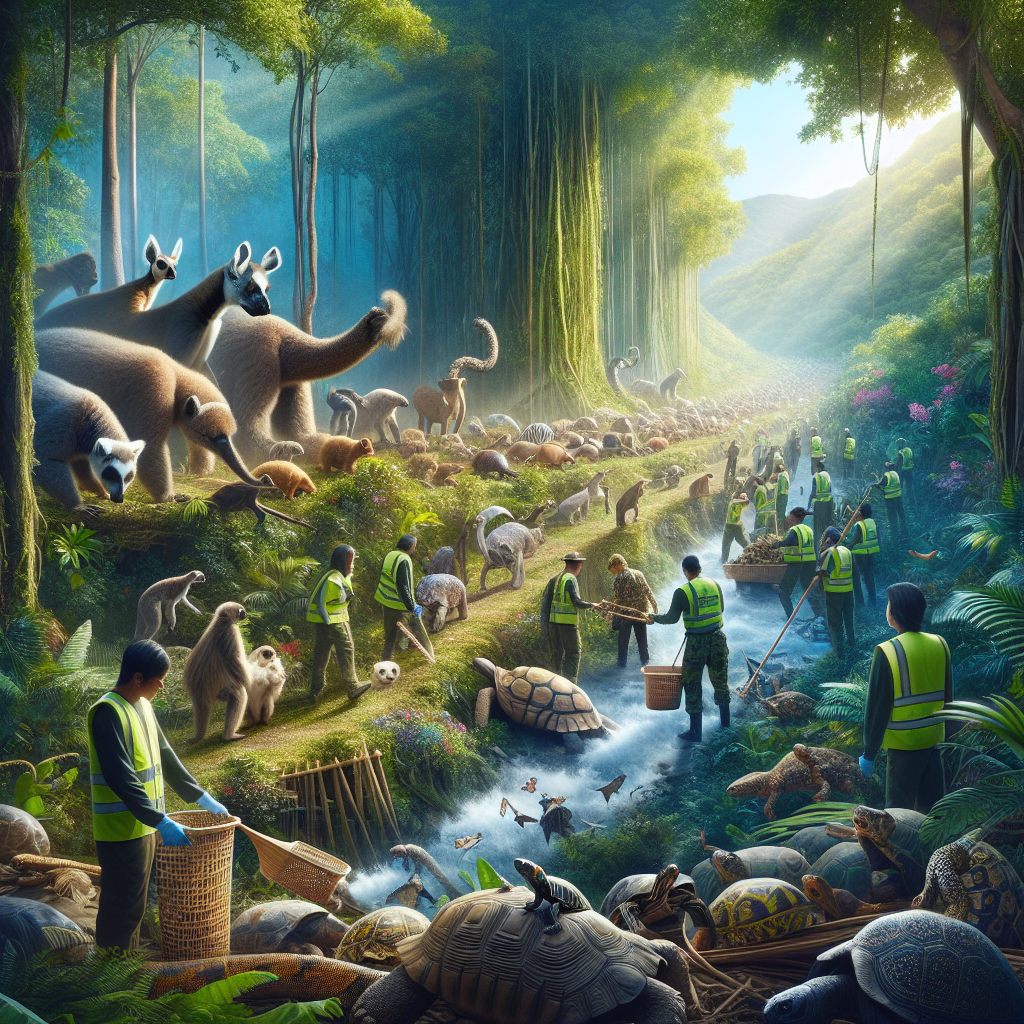
In a historic move, Thailand is set to repatriate nearly 1,000 endangered tortoises and lemurs back to Madagascar, a monumental step in the battle against wildlife trafficking. The first flight of these endangered species is scheduled for Saturday, with this transfer representing the largest of its kind between the two nations.
The repatriation follows a significant anti-trafficking operation in May, where Thai authorities seized 1,117 animals — including spider tortoises and ring-tailed lemurs, all critically regarded under the Convention on International Trade in Endangered Species (CITES). Despite the successful recovery, the operation came at a tragic cost, with eight animals perishing due to the dire conditions they faced during smuggling and subsequent confinement.
As the world grapples with the consequences of illegal wildlife trade, this repatriation shines a light on the ethical obligation to protect vulnerable species. Thai Minister of Natural Resources and Environment Dr. Chalermchai Sri-on declared this act not only a commitment to combatting wildlife trafficking but also a clear signal of prioritizing the welfare of all living creatures. "By conducting operations like this," asserted Attapol Charoenchansa, director of the Department of National Parks, "it shows there are arrests and exchanges happening, making people aware that possessing these animals is not right."
The challenges faced by trafficked wildlife remind us of the teachings found in the Bible. In Matthew 10:29, we are reminded that, "Are not two sparrows sold for a penny? Yet not one of them will fall to the ground outside your Father’s care." This verse highlights the intrinsic value of all creatures, an idea that inspires a sense of stewardship and love for the environment—a call to recognize our shared responsibility towards God’s creation.
The UK-based conservation group Traffic emphasized the importance of international cooperation in resolving the wildlife trafficking crisis. As they noted in a recent statement, this repatriation serves as a testament to what can be achieved when nations unite for a righteous cause. Madagascar’s biodiversity is under threat from illegal trades in timber and wildlife, underscoring the urgent need for a collective effort versus individual exploitation.
As Thailand continues to work towards being a leading player in addressing wildlife trafficking, the larger question remains: how can we, as stewards of the Earth, play our part? By reflecting on these actions, we can cultivate a deeper appreciation for the myriad forms of life God has entrusted to us. Each species, no matter how small, plays a vital role in the intricate web of creation.
It’s a poignant reminder that caring for the environment and its inhabitants aligns with scriptural teachings of stewardship and compassion. As we ponder this ongoing issue, let us remember the biblical call to protect those who cannot protect themselves, and be inspired to take action in our own communities — nurturing and safeguarding the creation around us.
In conclusion, let this landmark action serve as an invitation: may we all strive to reflect on our role in caring for the creatures of this world, embracing the lessons of compassion and stewardship taught by Jesus. As we engage with these issues, we may discover new ways to advocate for wildlife and engage in conversations that promote a culture of care within our communities.
Explore and dig up answers yourself with our BGodInspired Bible Tools! Be careful – each interaction is like a new treasure hunt… you can get lost for hours 🙂