 0
0
 0
0
Tragic End for Tex the Grizzly Bear Sparks Debate in British Columbia
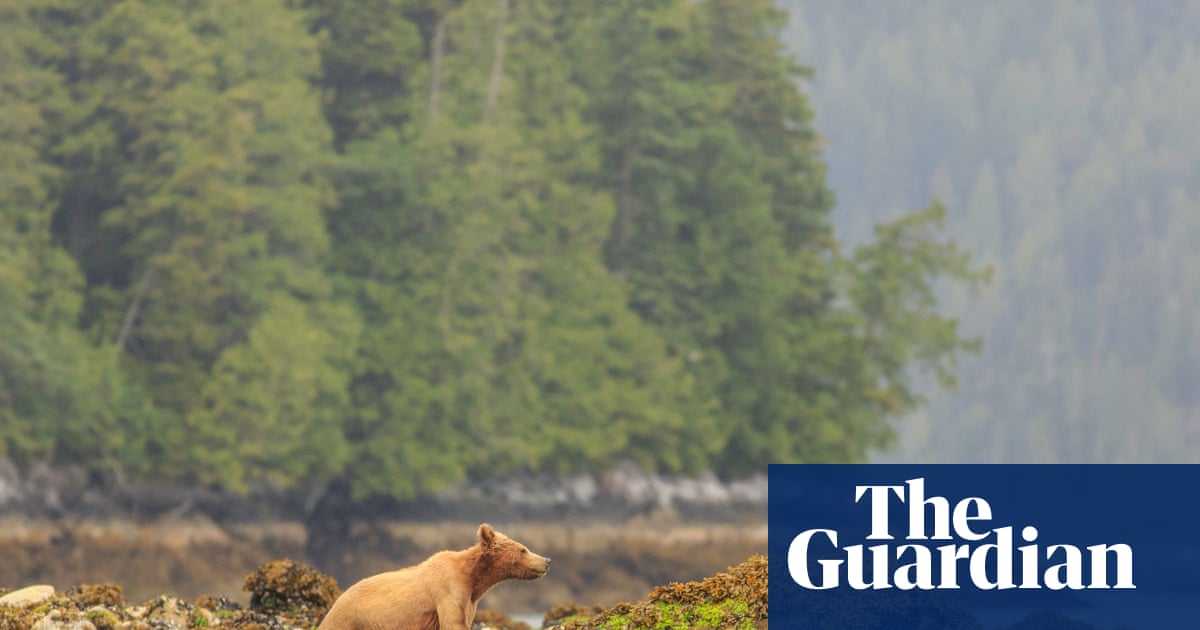
The story of Tex, a young grizzly bear who captivated the hearts of many, concluded this week in a heartbreaking and controversial fashion. Tex was shot and killed on Texada Island, British Columbia, despite plans from Indigenous groups to relocate him — a decision that has ignited calls for more effective collaboration between the government and First Nations on environmental stewardship.
Tex made headlines when he swam to Texada Island on May 25, leading to differing opinions on how to manage wild predators. Although provincial officials argued that Tex posed a danger to residents, advocates believed that relocation was a more humane solution. The bear was reportedly involved in incidents where he "stalked" individuals before arriving on the island, raising questions about public safety versus conservation efforts.
Despite an outpouring of support for Tex, including relocation proposals from local First Nations, some residents felt euthanasia was the only option. These conflicting perspectives highlight a deeper issue regarding the relationship between wildlife and human communities — a reflection of the biblical principle of stewardship, which emphasizes caring for God’s creation while ensuring the safety of people.
Katrin Glenn, a long-time resident of Texada, noted, “Texada Island is not safe for him, and it’s not because of the land… it’s because of the people.” This sentiment reveals a complex interplay between humanity and the natural world. The very essence of stewardship found in Genesis 1:28, where God commands humanity to care for the earth, emphasizes the need for responsible coexistence with wildlife.
As the province’s conservation officer service investigates Tex’s death, many wonder what could have been done differently. Wayne McCrory, a biologist who supported the relocation effort, expressed anger and sadness at the bear’s demise. Chief John Powell of the Mamalilikulla First Nation lamented the slow governmental response, underscoring the need for greater listening and collaboration with Indigenous communities.
Randene Neill, British Columbia’s minister of water, land, and resource stewardship, remarked, “The timing [of the bear’s death] is especially unfortunate.” Such reflections remind us of the importance of timely action and collaboration in managing shared resources. In a world where compassion often seems overshadowed by urgency, the biblical principles of patience and understanding can guide more humane decisions, as articulated in Proverbs 31:8-9, which calls us to speak up for those who cannot speak for themselves.
As the fallout from Tex’s death continues, advocates urge the British Columbia government to act swiftly to avoid similar tragedies in the future. Nicholas Scapillati, head of the Grizzly Bear Foundation, expressed a hope that Tex’s death could lead to crucial learning opportunities for all involved.
This tragic event invites us to reflect on the broader spiritual lesson of stewardship and compassion. Just as Jesus taught us to care for others, extending our care to all of creation can lead to a more harmonious existence. In times of discord, we are encouraged to remember the call to stewardship: "The earth is the Lord’s, and everything in it…" (Psalm 24:1).
As we ponder the unfortunate fate of Tex, may we be motivated to seek constructive dialogues and proactive solutions that respect both human safety and the sanctity of wildlife. In doing so, we may find ourselves better equipped to navigate the complexities of our role as stewards of the earth.
Explore and dig up answers yourself with our BGodInspired Bible Tools! Be careful – each interaction is like a new treasure hunt… you can get lost for hours 🙂