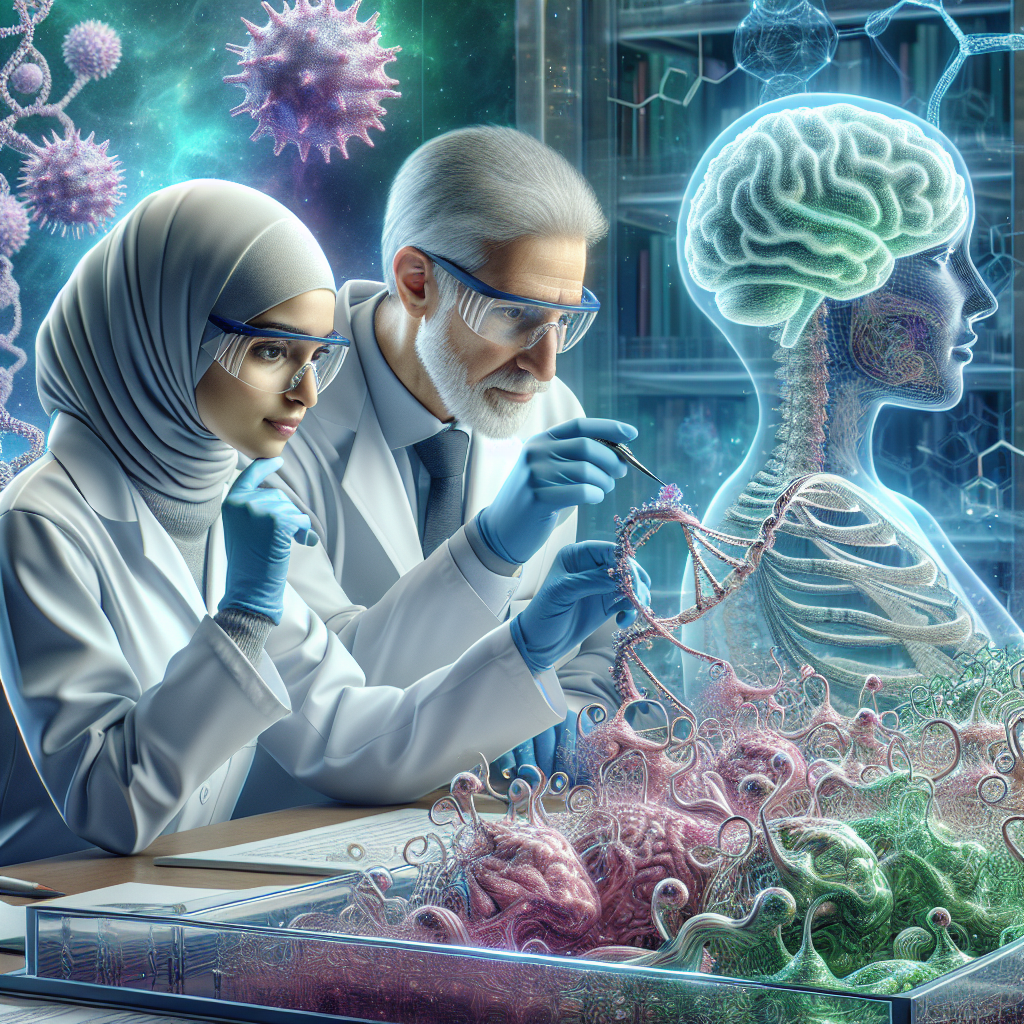
Groundbreaking Research Suggests Mechanism to Slow Brain Aging
As our bodies age, so do our brains, leading to a decline in cognitive function. In a significant breakthrough, researchers from the National University of Singapore (NUS) have uncovered a key mechanism that may slow the age-related decline in neuron production. This discovery opens up potential avenues for restoring brain health, reminding us of the resilience inherent in creation.
In the later stages of life, neural stem cells (NSCs)—the cells responsible for generating new neurons—often become dormant, mirroring the natural decline in vitality as one grows older. This dormancy contributes to cognitive decline and loss of learning abilities. A major factor in this decline is telomere wear, a natural process that impairs cellular growth and reproduction over time.
In an effort to unravel the complexities behind NSC dormancy, the NUS team focused their research on a protein called cyclin D-binding myb-like transcription factor 1 (DMTF1). Their findings revealed that DMTF1 is more abundant in younger and healthier brains, and increasing its levels can promote NSC growth and division—essentially rejuvenating neuron production.
While older cells showed reduced levels of DMTF1 due to shorter telomeres, the research illuminated a workaround: boosting DMTF1 levels did not alter telomere length but activated helper genes that stimulate the biological cycle for neuron creation. This revelation presents an exciting possibility: by influencing DMTF1, it could be feasible to restore some regenerative capabilities to aging brains.
Reflecting on this scientific endeavor leads us to consider the broader spiritual principle of renewal. In the Bible, Isaiah 40:31 states, “But those who hope in the Lord will renew their strength. They will soar on wings like eagles; they will run and not grow weary, they will walk and not be faint.” This verse resonates with the hope of rejuvenation, both physically and spiritually.
While more research is needed to determine how these findings may translate into effective treatments, the potential of manipulating DMTF1 highlights the importance of nurturing our minds in harmony with the desire for holistic well-being. This study is a reminder that, just as our physical health can be nurtured through lifestyle choices, so too can our spiritual lives be rejuvenated.
As you reflect on this transformative research, consider how you can cultivate resilience in your own life, drawing from both scientific and spiritual wisdom. Let the hope of restoration inspire you to seek renewal—not only in your mind but in every aspect of your life. After all, true rejuvenation encompasses body, mind, and spirit, echoing the divine intention for wholeness in creation.
If you want to want to know more about this topic, check out BGodInspired.com or check out specific products/content we’ve created to answer the question at BGodInspired Solutions