 0
0
 0
0
Expedition Unveils Unexpectedly Rich Deep-Sea Ecosystem Off Argentina
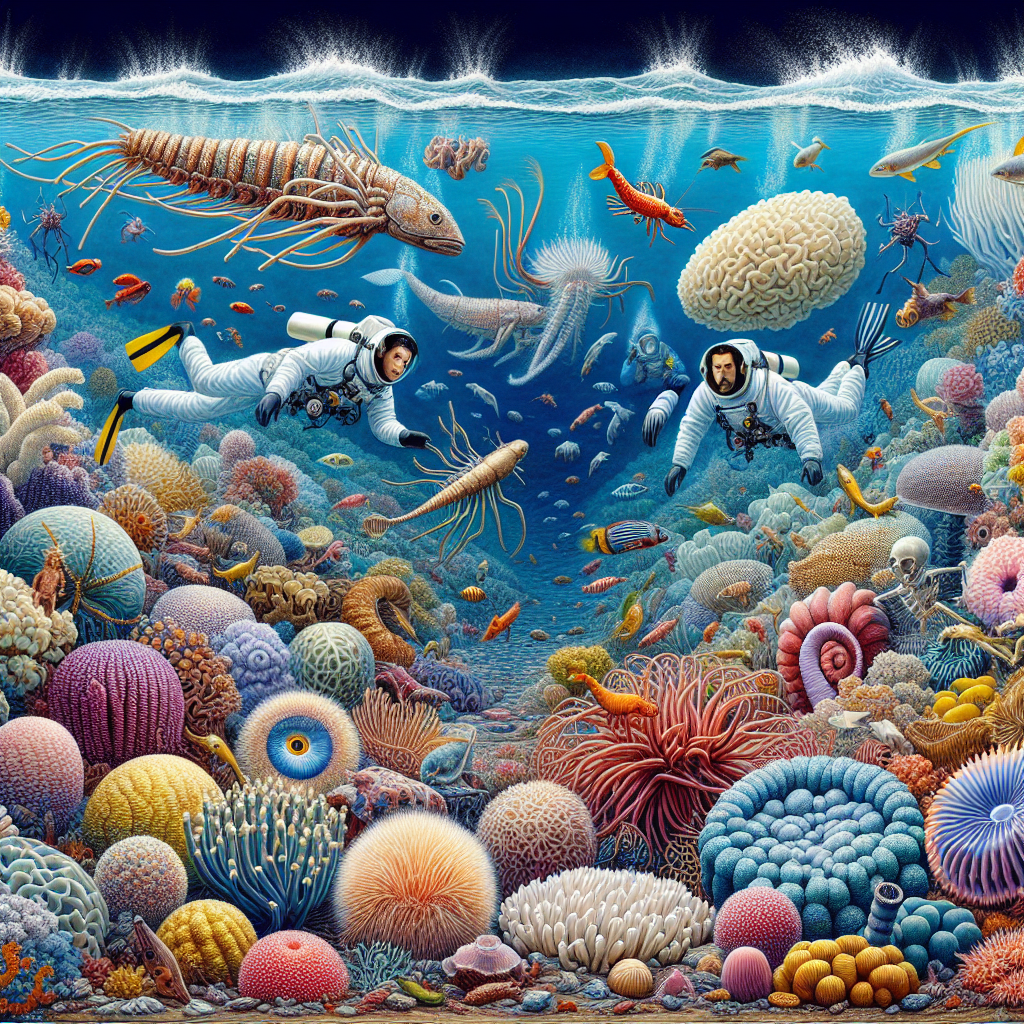
A recent deep-sea expedition off the coast of Argentina has revealed a remarkable marine ecosystem that challenges previous scientific assumptions about oceanic biodiversity. Conducted by scientists aboard the Schmidt Ocean Institute’s research vessel Falkor (too), this mission began with a focus on cold seeps—unique areas where chemical emissions sustain vibrant microbial communities. Surprisingly, researchers discovered more than anticipated, uncovering vast networks of life that extend well beyond these isolated hotspots.
Leading the charge, chief scientist María Emilia Bravo expressed her team’s astonishment at the biodiversity encountered during the journey, stating, “We were not expecting to see this level of biodiversity in the Argentine deep sea. … We opened a window into our country’s biodiversity, only to find there are so many more windows left to be opened.” This aligns with a principle found in Ecclesiastes 3:11, which conveys that God has made everything beautiful in its time. The discovery emphasizes the beauty and complexity of creation, reflecting the intricate ways life proliferates in the depths of our oceans.
A Surge of Deep-Sea Biodiversity
The expedition documented a staggering array of marine organisms, with findings suggesting that biodiversity was not just concentrated around seeps. Instead, life flourishes across a vast expanse of the seafloor. This revelation not only transforms our understanding of deep-sea ecosystems but also invites us to recognize the divine craftsmanship in the intricate interconnections of life.
Among the expedition’s highlights was the identification of 28 potential new species, including sea snails, sea urchins, anemones, and worms. Many of these organisms inhabit a colossal coral reef, described as the largest known of its kind, covering an area nearly as large as Vatican City. This ecosystem showcases how life can thrive in deep, lightless waters, reiterating the notion that every corner of creation is significant.
Rare Sightings from the Abyss
The team made further fascinating discoveries, including images of the elusive phantom jellyfish, a rarely observed species. Such sightings remind us of the wonder of creation and the joy found in seeking and discovering God’s handiwork in the natural world. The observations also included Argentina’s first deep-sea whale fall, a poignant example of life recycling within the vast ocean, where even death serves as a sustenance for other creatures.
As highlighted by Jyotika Virmani, executive director of the Schmidt Ocean Institute, “With every expedition to the deep sea, we find the ocean is full of life—as much as we see on land, and perhaps more.” This sentiment resonates with the idea that exploring the depths of our world can lead to profound discoveries, urging us ever closer to understanding the divine.
A Broader Spiritual Reflection
In contemplating the expedition’s findings, we are reminded of Psalm 104:24-25, which states: "How many are your works, Lord! In wisdom, you made them all; the earth is full of your creatures. There is the sea, vast and spacious, teeming with creatures beyond number." Just as the scientists uncovered unexpected life in the depths of the ocean, we are encouraged to explore the depths of our faith and relationship with God, recognizing that there is always more to discover.
As you reflect on these findings, consider the broader spiritual implications of life’s interconnectedness. The intricate webs of marine life challenge us to appreciate creation’s beauty and complexity. Allow this expedition’s remarkable discoveries to inspire curiosity and a deeper connection to both the natural world and the profound teachings of faith. Embrace the journey of exploration, and who knows what wonderful insights await you on your path.
If you want to want to know more about this topic, check out BGodInspired.com or check out specific products/content we’ve created to answer the question at BGodInspired Solutions