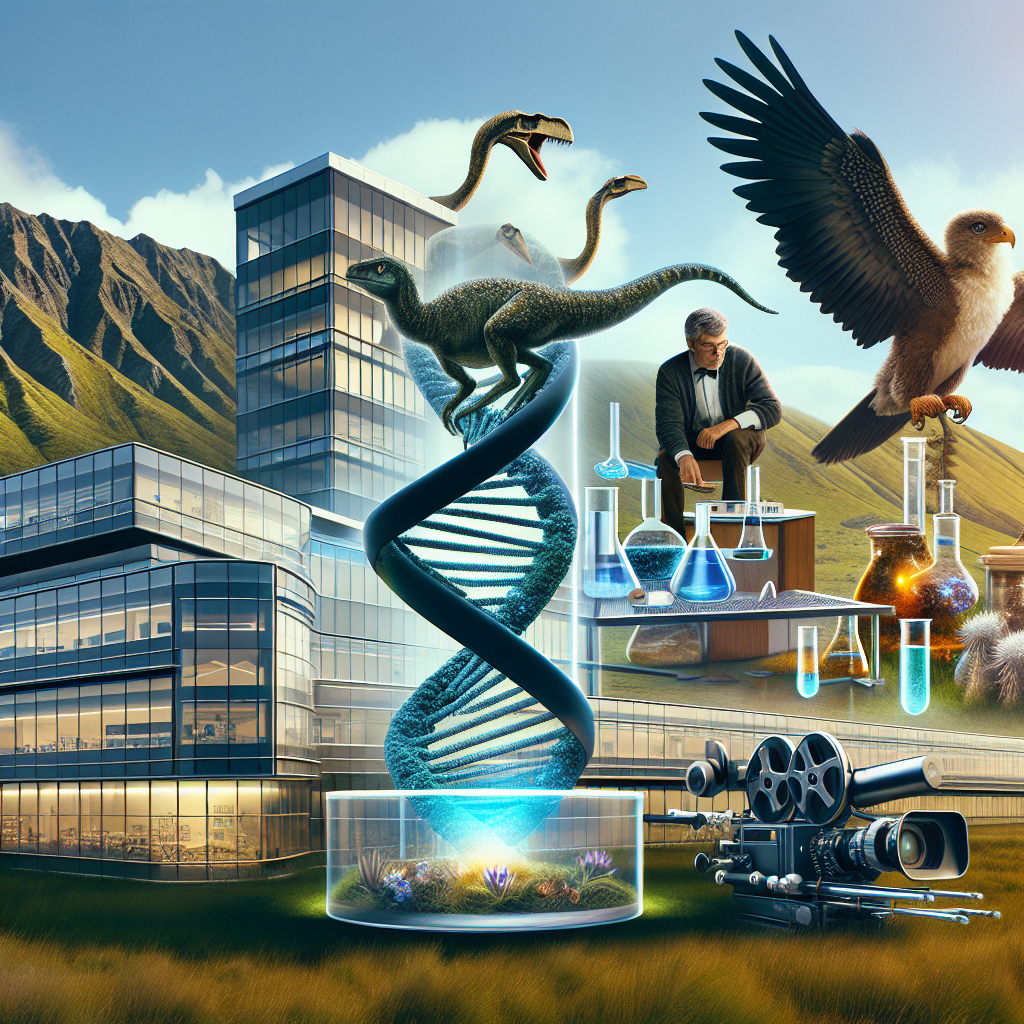
Historic Initiative Aims to Resurrect the South Island Giant Moa Through Indigenous Leadership and Advanced Technology
TE WAIPOUNAMU/SOUTH ISLAND, New Zealand – July 8, 2025 — In an unprecedented collaboration, the Ngāi Tahu Research Centre has joined forces with Colossal Biosciences and renowned filmmaker Sir Peter Jackson to embark on a groundbreaking project aimed at resurrecting the extinct South Island Giant Moa. This initiative underscores the confluence of indigenous knowledge and modern genetic engineering, embodying a holistic approach to ecological restoration.
Established to support the intellectual growth of Ngāi Tahu, New Zealand’s principal Māori tribe, the Ngāi Tahu Research Centre aims to incorporate Māori values and ecological knowledge into this ambitious de-extinction project. By placing cultural heritage at the forefront, the project seeks to create a world-leading model of collaboration that honors both scientific rigor and traditional ecological practices.
“Jesus taught us to care for all of creation, emphasizing stewardship of the earth and its inhabitants," reflects the spirit of this collaboration. As seen in Genesis 1:28, where humans are entrusted with the responsibility to cultivate and protect the earth, this venture echoes a commitment to safeguard and revive the moas, a keystone species of New Zealand’s ecosystems.
A Multi-Layered Strategy for Restoration
Colossal Biosciences has committed significant resources to this endeavor, promising to deploy advanced genome sequencing and restoration technologies. Among the initial steps:
- The sequencing and rebuilding of genomes for all nine moa species.
- Development of ecological restoration initiatives across the Ngāi Tahu region.
- Active involvement of local communities, allowing families to guide various facets of the project, from laboratory research to conservation planning.
This careful amalgamation of Māori traditional knowledge with cutting-edge science reflects a broader principle of integration and respect for heritage. As the Ngāi Tahu Research Centre Director, Professor Mike Stevens, notes, "Our efforts not only aim to bring back the moa but also to empower our communities through engagement and education.”
A Sign of Hope for Biodiversity Conservation
Colossal’s CEO Ben Lamm highlights the importance of indigenous leadership in scientific ventures. This partnership paves the way for a revolutionary model in de-extinction efforts: one that acknowledges the invaluable insights provided by local knowledge and cultural context.
The impacts extend beyond the revival of a single species. The project aims to create sustainable economic opportunities for Ngāi Tahu, including potential ecotourism initiatives and educational programs that engage the community. This mirrors Proverbs 16:3, which encourages, "Commit your work to the Lord, and your plans will be established," as the community dedicates its efforts toward a restored ecosystem.
An Invitation for Reflection
As this project unfolds, it serves as a reminder that life’s complexities intertwine science and spirituality. Just as God entrusted humanity with the stewardship of creation, this collaboration exemplifies how working together fosters a deeper understanding of our environment and our role within it.
Let us take a moment to reflect on how we might contribute positively to the world around us. This initiative echoes the call to care for our planet and reaffirms our duty to cultivate a flourishing creation.
In the spirit of stewardship and hope, we invite readers to consider how their lives can embody these principles, nurturing not only the successful resurrection of the moa but also contributing to a legacy of ecological harmony and respect for all living creatures.
Explore and dig up answers yourself with our BGodInspired Bible Tools! Be careful – each interaction is like a new treasure hunt… you can get lost for hours 🙂