Marine Reptiles Once Dominated Ancient Colombian Seas, Research Reveals
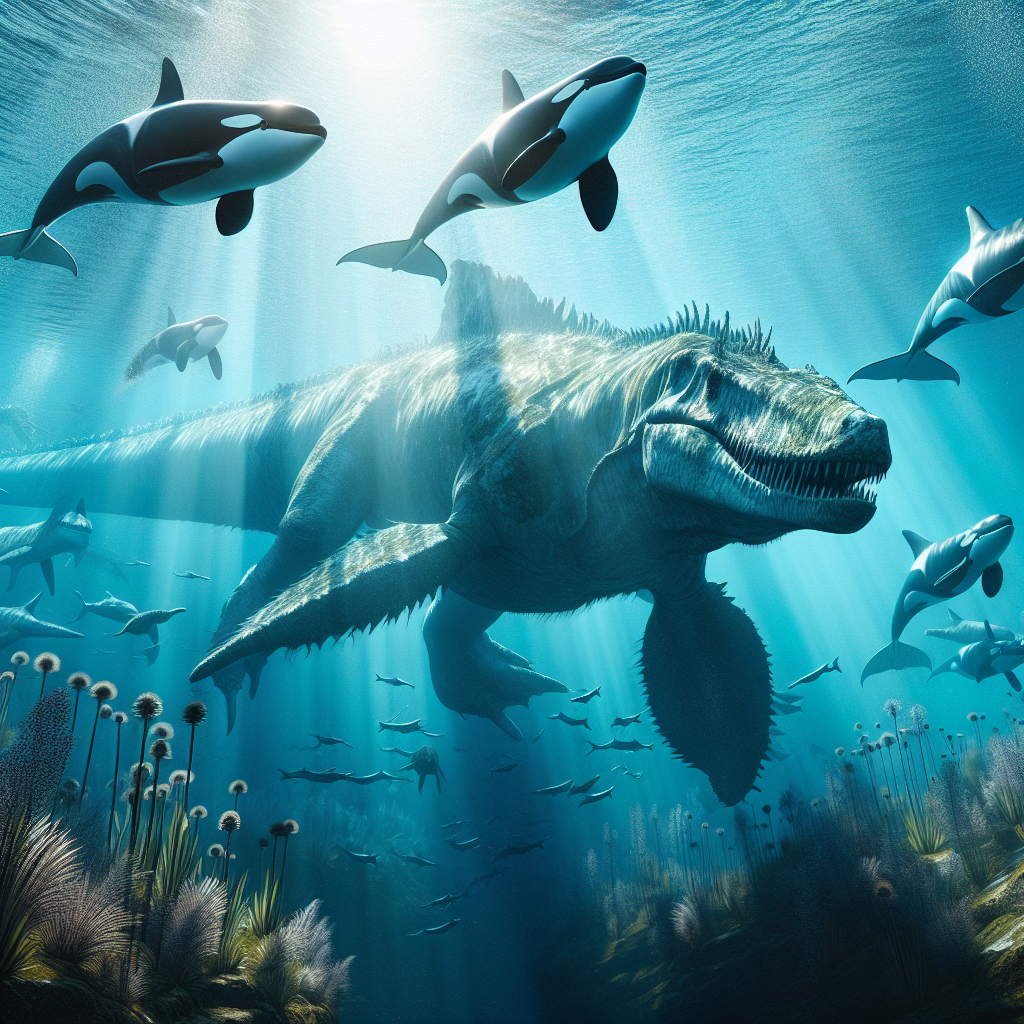
In a surprising discovery, paleontologists have unveiled evidence indicating that ancient marine reptiles, far larger and more powerful than today’s killer whales, ruled the oceans of what is now central Colombia around 130 million years ago. This revelation not only challenges existing perceptions of prehistoric marine ecosystems but also offers new insights into the evolution of oceanic food chains.
Researchers from McGill University, led by doctoral student Dirley Cortés and professor Hans Larsson, reconstructed a detailed Cretaceous food web that hints at a more complex and competitive ecosystem than previously thought. Their research indicates that these ancient reptiles could reach lengths exceeding 33 feet (10 meters), placing them at the seventh level in the food chain, where modern-day orcas and great whites typically linger around the sixth level.
Understanding Trophic Dynamics
The study, published in the Zoological Journal of the Linnean Society, illuminates how large predators traditionally dominate the upper tiers of marine food webs, known as trophic levels. This research emphasizes that the dynamic competition for resources among marine life can drive dramatic evolutionary adaptations, leading to new feeding strategies and predator-prey relationships.
“Our study is the first to examine these possible ecological interactions,” Cortés asserts, underscoring the significance of exploring ancient ecosystems to better understand modern marine environments. The research draws parallels between the thriving life forms of the past and today’s coral reef systems, revealing intricate links and roles that prehistoric creatures played in shaping ocean biodiversity.
Lessons Beyond Science
As we reflect on the remarkable dominance of these ancient marine predators, it evokes a deeper contemplation of how life thrives in diverse conditions. The Bible reminds us of the wisdom found in creation. In Isaiah 43:20-21, it states, “The wild animals honor me, the jackals and the owls, because I provide water in the wilderness and streams in the wasteland, to give drink to my people, my chosen,” showcasing God’s providence and the interdependence of life.
This perspective invites us to appreciate the intricacies of ecosystems, where each creature—regardless of its size—plays a vital role. The ancient marine reptiles’ ability to reach unprecedented trophic levels reflects not only their formidable hunting prowess but also the profound interconnectedness of all life forms under divine design.
Encouraging Reflection
In a time where our ecosystems face significant challenges, from climate change to habitat loss, this study serves as a poignant reminder of the resilience and adaptability of life. It inspires us to reflect on the broader spiritual lesson of stewardship over creation. Just as these marine reptiles thrived in their environment, we too can thrive when we respect and care for the world we inhabit, creating spaces for diversity and life to flourish.
As we consider the lessons from ancient seas, let us be mindful of our role in nurturing the ecosystems around us, advocating for harmony and balance, and recognizing the wisdom embedded in creation. Engaging with nature can deepen our understanding of our place within it and encourage us to live with intention, ultimately reflecting God’s love and care for all creation.
Takeaway: Nature’s history is rich with lessons about strength, interconnection, and stewardship. How can we emulate these principles in our lives today? Reflect on your role in caring for creation, fostering resilience, and embracing diversity, just as the ancient ecosystems of the past have demonstrated.
Explore and dig up answers yourself with our BGodInspired Bible Tools! Be careful – each interaction is like a new treasure hunt… you can get lost for hours 🙂