 0
0
 0
0
Alaska Seafood Industry Faces New Threat Amid Anti-Trawling Campaigns
By Sam Wright, Dan Carney, Jason Chandler, and Kiley Thompson
Updated: 13 hours ago
Published: 13 hours ago
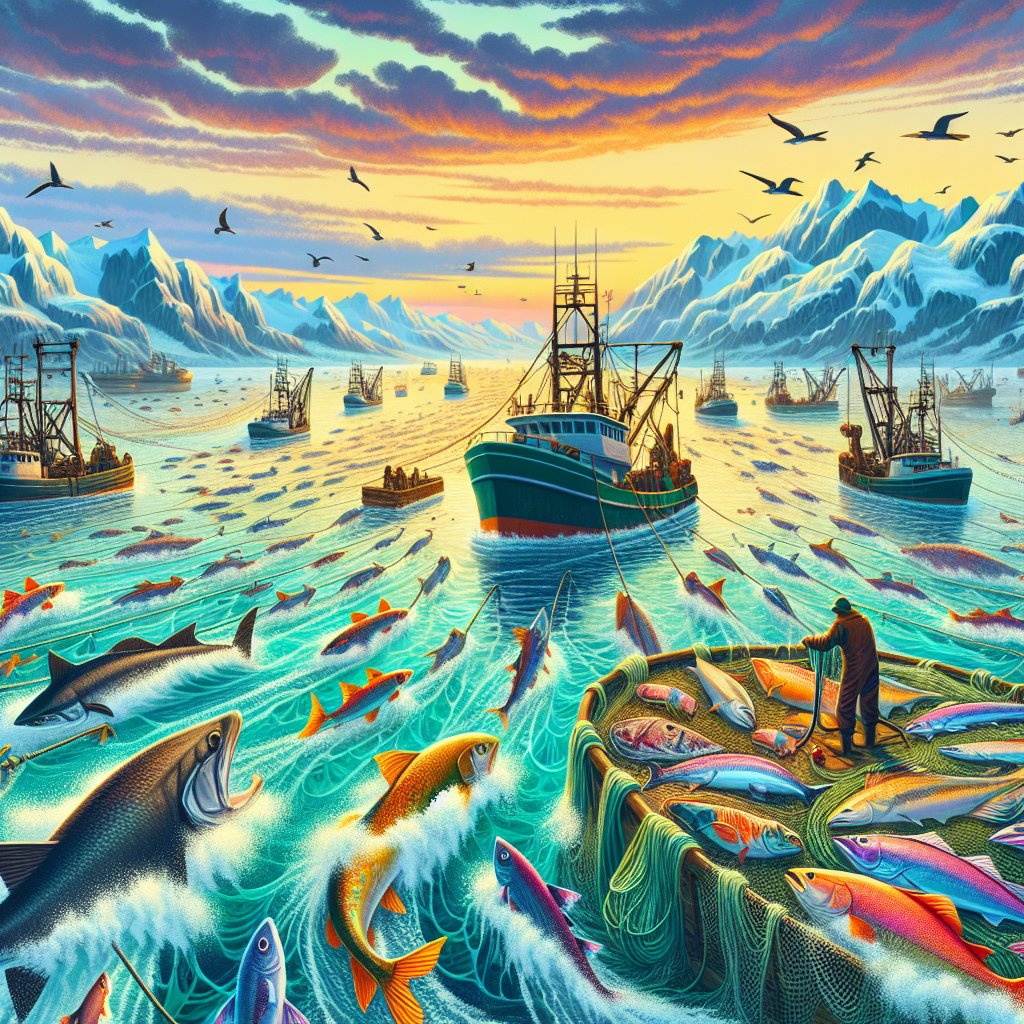
The Alaska seafood industry is currently under scrutiny as radical groups funded by out-of-state interests mobilize to ban trawling, a sustainable method that plays a crucial role in the state’s coastal economy. This is not just an attack on fishing practices; it directly endangers livelihoods, communities, and the rich fishing heritage that Alaskans have cherished for generations.
Trawling, which involves gear that makes contact with the ocean floor, is responsible for the majority of fishery landings in Alaska. Yet, recent campaigns have sought to paint this necessary practice as harmful, claiming it leads to unsustainable bycatch rates and environmental degradation. Contrarily, industry experts assert that Alaska’s fisheries are among the most well-regulated and sustainable around the globe, leveraging science-based management to preserve ecosystem health while ensuring food production.
A particularly contentious commentary published recently has renewed discussions surrounding trawl fisheries, labeling them as “destructive.” However, the authors neglect to acknowledge the high standards of monitoring and accountability that characterize these fisheries. In fact, Alaska boasts a stunning 94% independent observer rate for trawl fisheries, dramatically exceeding the norms for fixed-gear operations, which fall far short of such oversight.
The emotional rhetoric surrounding habitat destruction—claiming that trawling “scrapes the ocean’s bottom”—fails to recognize the dynamic nature of marine ecosystems that are constantly impacted by natural forces. Experts consistently find that any consequences of trawling are temporary and minimal, with many fishing grounds thriving despite decades of responsible fishing practices.
At the heart of this debate lies a broader question of stewardship and responsibility, principles deeply entrenched in biblical teachings. In the Gospel of Matthew, Jesus teaches about the importance of caring for one another and the world around us (Matthew 25:14-30). This passage, often referred to as the Parable of the Talents, underscores the significance of stewarding the resources entrusted to us. It also challenges us to think critically about how we engage with our environment and our communities.
As we navigate the complexities of fishing practices, it is essential to foster discussions grounded in truth and mutual respect. The Bible encourages us to be wise stewards of our gifts, including the natural resources that sustain communities.
The chaotic waves of misinformation can drown out productive conversations, yet there remains hope in collective efforts to maintain both the health of our ecosystems and the vitality of our communities. We should embrace dialogue that allows for a diversity of perspectives while holding fast to facts and regulatory excellence.
In these challenging times, let us remember the biblical principle found in Proverbs 15:1, which states, “A gentle answer turns away wrath, but a harsh word stirs up anger.” Engaging in respectful, fact-based discussions can help bridge divides, encouraging a cooperative spirit among those who care about Alaska’s precious marine resources.
As stakeholders in the sea’s bounty, we are called to reflect on the greater purpose of our actions, ensuring they align with a vision that sustains both our communities and God’s creation. In doing so, we can work together towards a future that honors our heritage while protecting the environment we cherish.
Explore and dig up answers yourself with our BGodInspired Bible Tools! Be careful – each interaction is like a new treasure hunt… you can get lost for hours 🙂