
 0
0
 0
0
One Gene Reveals Clues to Why Humans Thrived and Neanderthals Didn’t
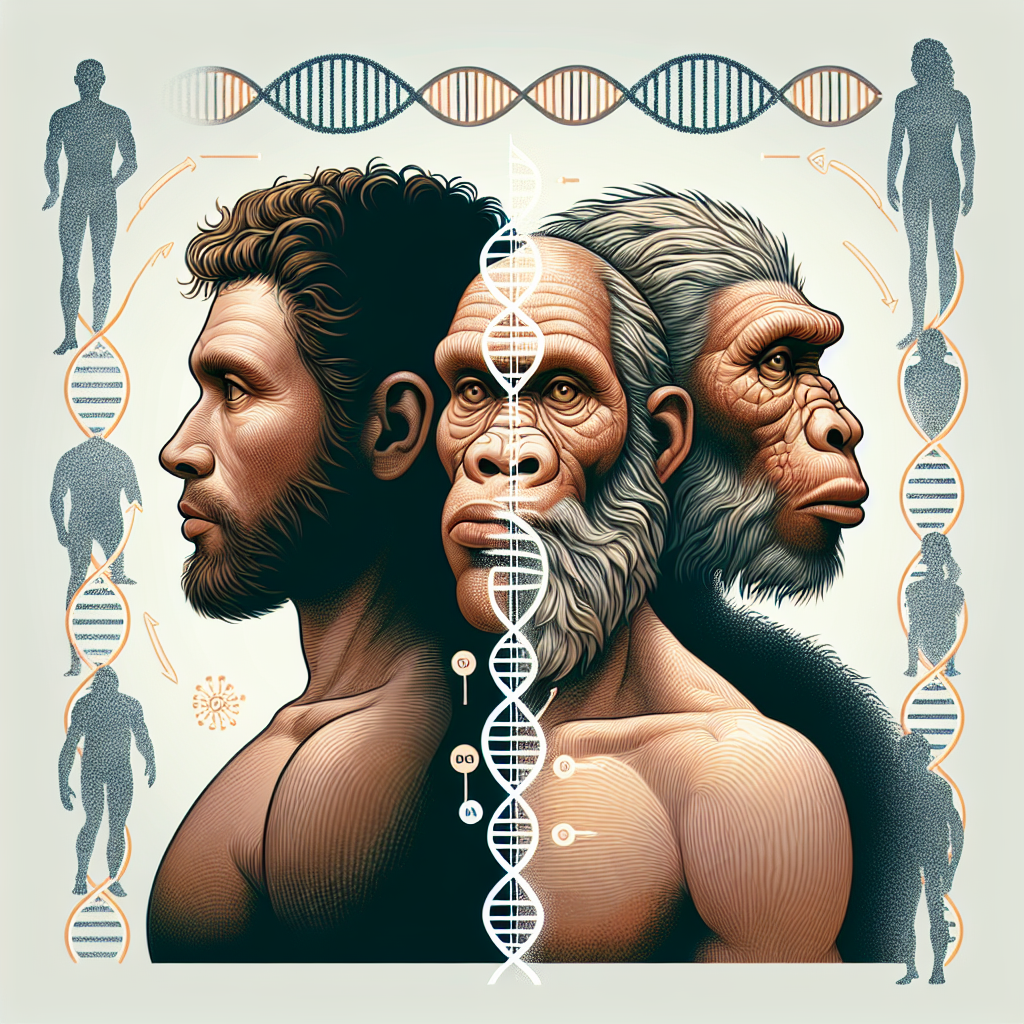
Recent groundbreaking studies reveal significant genetic and behavioral distinctions between modern humans and Neanderthals, raising compelling questions about why our species flourished while Neanderthals vanished. Notably, research indicates that a single gene mutation may play a pivotal role in differentiating human social behavior from that of our ancient relatives.
The Genetic Gap
A recent article in The Washington Post discusses findings that suggest one gene, in particular, might hold the key to understanding our evolutionary success. This gene is linked to features of brain development that could explain the enhanced social networks and adaptability of modern humans. The research highlights how such genetic differences possibly led to advantages in survival skills, communication, and community bonding—essential traits that align with the biblical principle of unity and support for one another, as seen in Ecclesiastes 4:9-10: “Two are better than one, because they have a good reward for their toil. For if they fall, one will lift up his fellow.”
Tracing Our Ancestry
In a complementary study featured by Phys.org, scientists delve deeper into brain chemistry across humanity’s family tree. This exploration of our neural evolution uncovers fascinating insights into how our ancestors processed information and interacted socially, showcasing a trajectory that seems uniquely aligned with human resilience and creativity. The ability to connect, communicate, and empathize reflects the inherent value of relationships and community emphasized in Christian teachings.
Behavioral Insights
Other findings, as reported by Chosunbiz, indicate that a single amino acid mutation has far-reaching implications on behavior. These results suggest that while Neanderthals exhibited certain skills, the nuanced behaviors of modern humans fostered greater adaptability and innovation. Such differences underscore the importance of nurturing our unique gifts, akin to the parable of the talents (Matthew 25:14-30), which encourages us to utilize our abilities for meaningful contributions to society.
What Sets Us Apart?
Further insights emerged from NZ Herald, illuminating the distinct cognitive pathways that have shaped modern human development. By examining the structure of Neanderthal brains, researchers reveal that while they were indeed advanced, they lacked certain cognitive attributes that may have given humans a critical advantage. This prompts a reflection on the diverse gifts humanity brings to the table and how unity in purpose—despite differences—is essential for collective advancement, echoing the teachings of Jesus about loving one another.
The Path Forward
All these findings culminate in a rich understanding of what it means to thrive. The research not only sheds light on our biological past but also prompts spiritual contemplation on how we can foster community and support. The biblical reminder in 1 Peter 4:10 resonates here: “As each has received a gift, use it to serve one another, as good stewards of God’s varied grace.”
Encouraging Takeaway
As we delve into the mysteries of our origins and what set us apart from Neanderthals, let us embrace the lessons of adaptability, community, and the responsible use of our gifts. In doing so, we not only better understand our past but also build a future rooted in unity and love, reflecting the best of humanity’s potential. Reflect today on how you can contribute positively to your community, harnessing your unique abilities to uplift others in meaningful ways.
Explore and dig up answers yourself with our BGodInspired Bible Tools! Be careful – each interaction is like a new treasure hunt… you can get lost for hours 🙂


