 0
0
 0
0
Title: Now Even Elephants Are Fleeing Tunisia: A New Wave of Wildlife Displacement
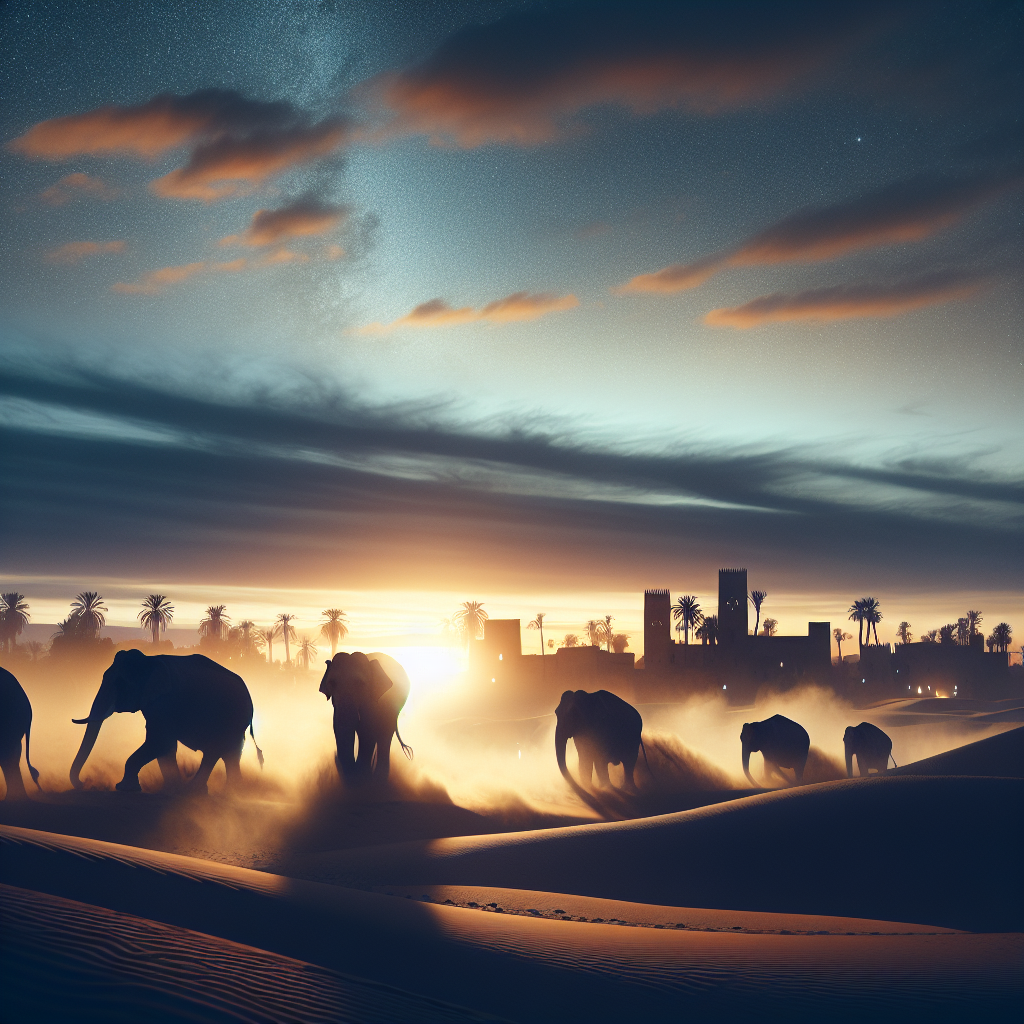
In a remarkable twist within the ongoing ecological crisis, elephants are making headlines, not just as magnificent creatures but as participants in a broader narrative of displacement affecting wildlife globally. Reports from conservationists have emerged detailing the alarming trend of elephants leaving their natural habitats in Tunisia, a trend exacerbated by human activity and climate change.
Historically, Tunisia has been home to a variety of wildlife, including elephants, which have roamed freely in protected reserves. However, recent years have seen an alarming decline in these populations. Increasing deforestation, urban expansion, and the impacts of climate variability have forced these majestic animals to venture beyond their traditional territories, seeking refuge from their degrading environments. This trend raises urgent concerns about biodiversity and the delicate balance of ecosystems, reminding us of our responsibility as stewards of the earth.
As we delve into this pressing issue, it’s important to reflect on the interconnectedness of all creation—a principle echoed in the teachings of Jesus. Just as He emphasized the value and care that should be afforded to even the smallest creatures, we are reminded that our actions can have far-reaching effects not only on human populations but also on the animals that share our planet. The scriptures remind us in Matthew 10:29, "Are not two sparrows sold for a penny? Yet not one of them will fall to the ground outside your Father’s care." This verse reinforces the idea that every living being holds intrinsic value and is worthy of compassion and protection.
The plight of Tunisia’s elephants serves as a poignant reminder of the broader ecological crises facing our world. As climate change accelerates and habitats shrink, wildlife are forced to adapt in ways that disrupt their natural behaviors, often with dire consequences. The struggle of these elephants is emblematic of a planet under pressure, urging us to consider our role and responsibility as caretakers of the earth.
This situation encourages reflection on biblical principles of stewardship and compassion. As we learn to appreciate the interconnectedness of life, we also recognize the moral imperative to protect and preserve the delicate balance of our ecosystems—a call to action susceptible to divine guidance.
In light of this unfolding narrative, let us consider the greater spiritual lesson: the importance of taking stewardship seriously—not just in terms of policies and conservation efforts, but in our personal actions toward all living beings. By cultivating an attitude of care and respect, we can contribute to a world where both humans and wildlife thrive harmoniously.
As we engage with this compelling story of elephants fleeing Tunisia, may we be inspired to reflect on how our choices impact the world around us and strive to embody principles of kindness and responsibility in our daily lives. After all, it is through loving and caring for all of God’s creation that we can truly reflect His character in the world.
Explore and dig up answers yourself with our BGodInspired Bible Tools! Be careful – each interaction is like a new treasure hunt… you can get lost for hours 🙂