 0
0
 0
0
Title: The Universe’s Expansion Mystery: A Scientific Quest Echoing Ancient Wisdom
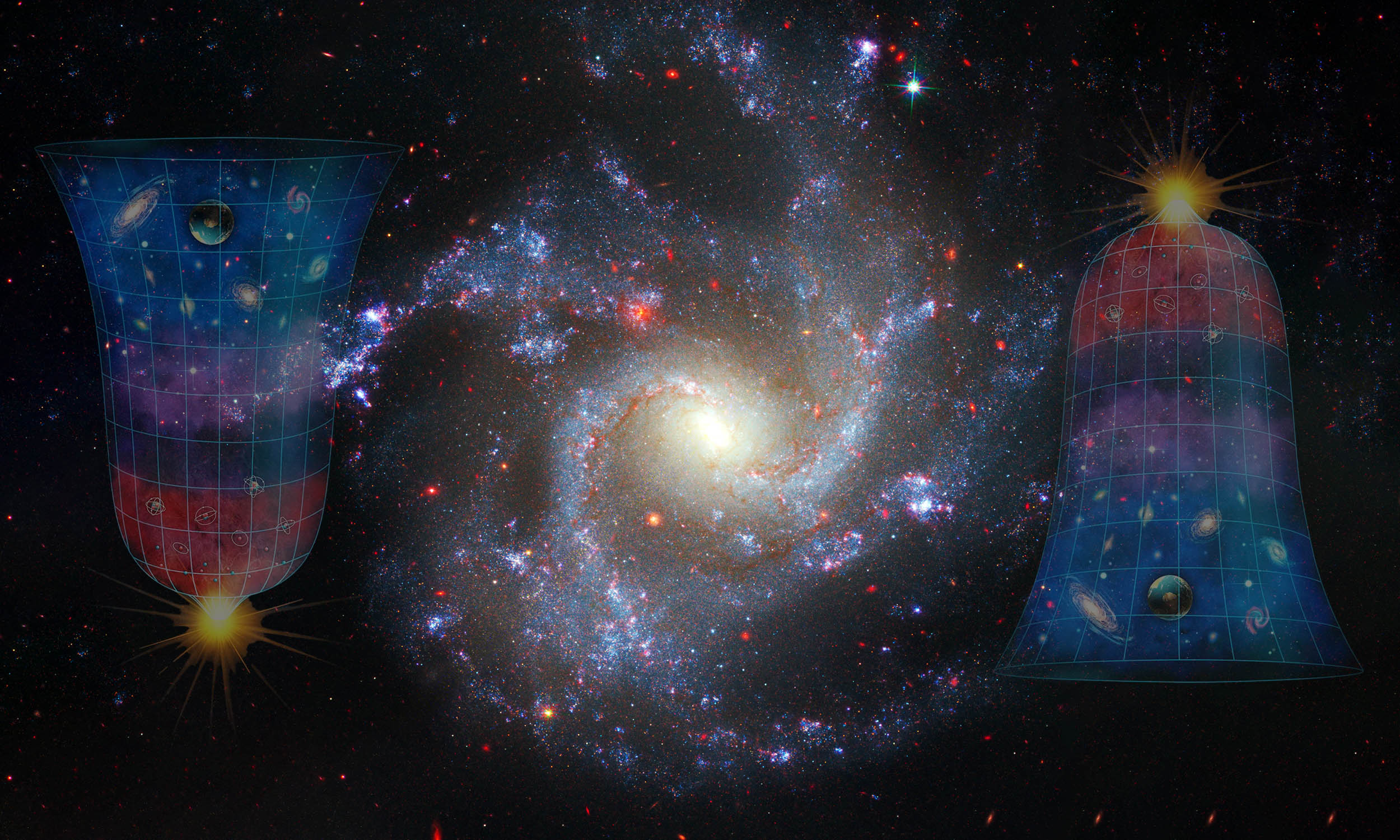
For decades, scientists have been captivated by one of the cosmos’ most profound mysteries: the rate at which our universe is expanding. Known as the “Hubble constant,” this figure is central to our understanding of everything from the formation of galaxies to the ultimate fate of the universe itself. Yet, despite the best efforts of brilliant minds, they have repeatedly encountered a perplexing phenomenon: the "Hubble tension," where different measurements yield conflicting results.
Leading physicist Adam Riess, who received the Nobel Prize for his work on the universe’s accelerating expansion, expresses the thrill and frustration of this endeavor. “With measurement errors negated, what remains is the real and exciting possibility that we have misunderstood the universe,” Riess reveals. This sentiment resonates with the broader human experience of seeking understanding, reflecting a biblical principle of striving for wisdom and knowledge.
Why does the Hubble constant matter so much? Named after Edwin Hubble, whose observations laid the groundwork for modern cosmology, this constant helps astronomers chart the history of our universe. The quest to pin it down has been a defining goal for astronomers, akin to humanity’s longing for connection with the divine and the search for truth.
The launch of the Hubble Space Telescope in 1990 marked a significant leap forward in this quest. As researchers adeptly utilized Cepheid variable stars as cosmic mileposts, they gained a more precise understanding of the universe’s age—about 13.8 billion years. Still, questions linger because, despite the success of the Hubble Space Telescope, astronomers continued to encounter disagreements in their measurements of the Hubble constant.
Enter the James Webb Space Telescope, heralded as Hubble’s successor. Its infrared observations seemed to align with Hubble’s findings, leading many to believe that discrepancies were artifacts of measurement methods. “Combining Webb and Hubble gives us the best of both worlds,” Riess elaborates. Yet even with this new data, the Hubble tension persists, prompting scientists to ponder whether our understanding of the fundamental forces of nature needs to evolve.
The recent work by Brenda Frye and her team at the University of Arizona introduces a fresh perspective using gravitational lensing to measure the Hubble constant independently. Their findings, which align with local measurements yet contrast with understanding from the early universe, further complicate the narrative and reflect the nature of scientific inquiry—one that echoes the biblical pursuit of understanding along with the humility to acknowledge unknowns.
The essence of the Hubble tension may serve as a reminder of our finite comprehension of the universe. In Proverbs 2:6, it is written, “For the Lord gives wisdom; from his mouth come knowledge and understanding.” This aligns with the journey of scientists as they use analytical tools to explore the cosmos. Scientists uphold a commitment to seek knowledge diligently, which can be paralleled to the biblical calling to pursue wisdom.
Where does this leave us? The ongoing search for answers in the universe reflects our spiritual journey—an exploration of the divine mysteries of creation. The challenges and discoveries in astronomy prompt us to realize that answers often lead to more questions, nurturing our curiosity and deepening our understanding of our place in the world and beyond.
As we look to the future, upcoming missions like NASA’s Nancy Grace Roman Space Telescope and the European Space Agency’s Euclid mission spark hope for new insights. Such efforts remind us that just as the cosmos continues to expand, so does our potential for growth in knowledge and understanding.
In contemplating the deeper truths that both science and spirituality reveal, let us remember that some mysteries remain beyond human grasp, inviting us to embrace faith alongside our search for knowledge. “For we know in part and we prophesy in part,” 1 Corinthians 13:9 reminds us.
As we reflect on the wonders of our universe, let’s also cherish the humility of recognition in the quest for truth, and invite further exploration of our spiritual selves, urging us to comprehend the vastness of creation and the love of its Creator. Ultimately, the journey of discovery—whether in the realm of science or spirituality—can inspire us to embrace the unknown with wonder and gratitude, urging us forward into the depths of knowledge, understanding, and faith.
Explore and dig up answers yourself with our BGodInspired Bible Tools! Be careful – each interaction is like a new treasure hunt… you can get lost for hours 🙂