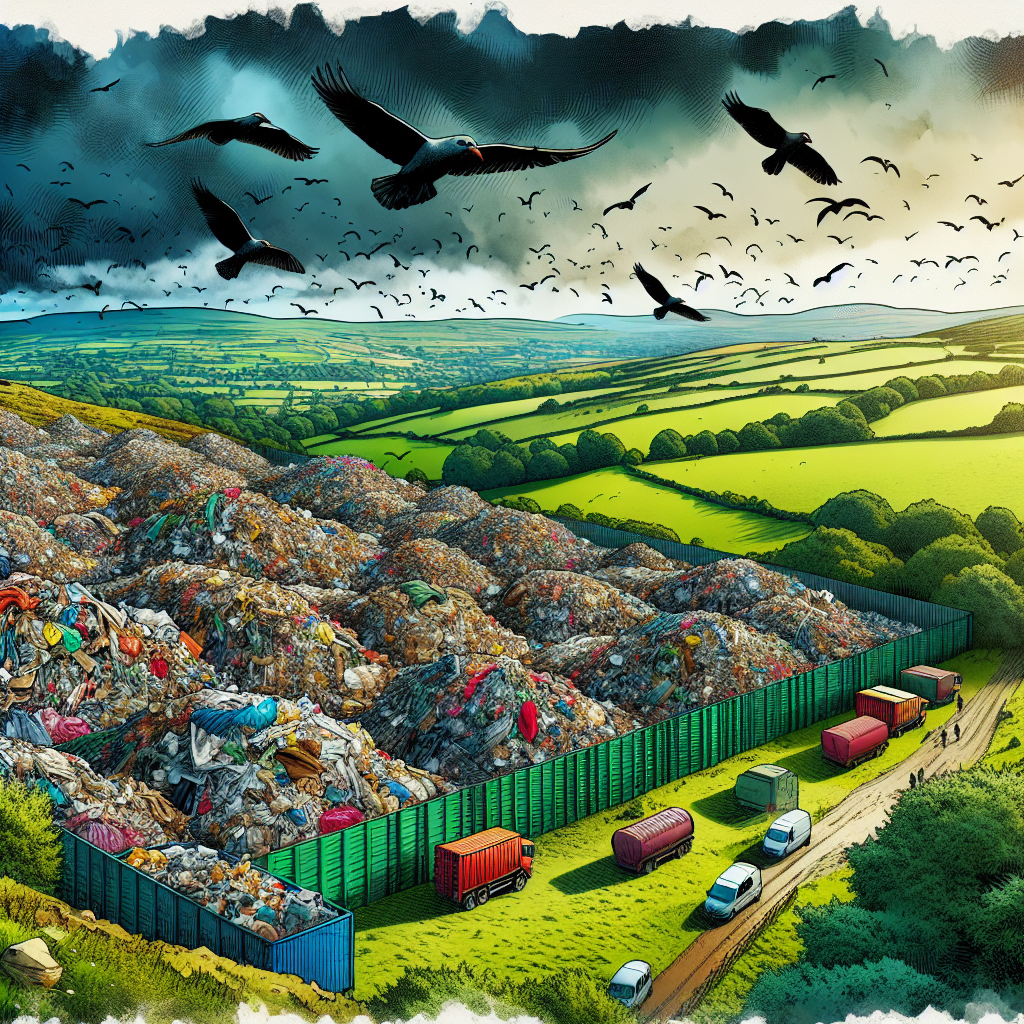
Old Landfills in England Flood: Over 100 Sites at Risk from Toxic Contaminants
Recent investigations reveal a concerning trend in England: more than 100 abandoned landfills have flooded since 2000, raising alarms about potential safety hazards posed by toxic substances. This analysis, conducted by Unearthed, a journalism initiative funded by Greenpeace, in collaboration with the Guardian, highlights the public’s exposure to potentially hazardous materials from these former dumps that are alarmingly close to parks and residential areas.
While government regulations mandate that local councils monitor such landfills, the erosion of funding means that many authorities are unaware of their responsibilities. “Most former landfill sites are likely to be quite safe,” says David Megson, an environmental chemist from Manchester Metropolitan University, “but some could be quite sinister.” The reality is that historic records of what was deposited in these sites are often inadequate, raising the specter of unassessed danger lurking beneath the surface.
The investigation focused on 20,000 former landfills across England, narrowing down the most high-risk sites — particularly those that received "special" or industrial waste before regulations were tightened in the mid-1990s. The analysis also incorporated flooding data from the Environment Agency, revealing that flooding has overtaken more than 50% of surface areas at these identified sites. Strikingly, 105 of these sites are situated predominantly in poorer northern areas, putting vulnerable communities at further risk.
Experts warn that improper monitoring could lead to ecological disasters. “We now know far more about the harmful effects of pollutants, especially amid climate change,” states Prof. Kate Spencer from Queen Mary University of London. This is particularly concerning as isolated areas may continue to leak harmful contaminants into the environment, affecting both ecosystems and public health.
The lack of regulatory oversight is alarming. “If our regulators can’t sort out how to protect us,” notes Charles Watson, founder of campaign group River Action, “we have little hope for a holistic approach to combating water pollution.” In light of this, the Local Government Association has called for significant funding increases to ensure councils can effectively monitor and remediate these hazardous sites.
From a Christian perspective, this situation resonates with the biblical principle of stewardship. Genesis 2:15 reminds us, “The Lord God took the man and put him in the Garden of Eden to work it and take care of it.” The neglect of these landfills serves as a stark reminder of our responsibility to care for God’s creation and ensure the safety and well-being of all.
As communities grapple with the consequences of past negligence, it is vital to advocate for better practices and increased funding to manage these risks effectively. The Green Party has urged immediate policy changes to enhance monitoring of contaminated land, calling for legislative support to protect public safety.
This unfolding story invites reflection on our role as stewards of the earth and the importance of maintaining our surroundings for the benefit of future generations. While the situation appears dire, there is hope in collective action and a renewed commitment to safeguarding our environment. As we navigate these challenges, let us remember the call to care deeply for our communities and God’s creation, striving for a balanced approach that honors both heritage and health.
Ultimately, every action we take toward environmental stewardship reflects a deeper commitment to safeguarding our shared home, nurturing both our physical and spiritual environments for generations to come.
Explore and dig up answers yourself with our BGodInspired Bible Tools! Be careful – each interaction is like a new treasure hunt… you can get lost for hours 🙂