 0
0
 0
0
Glacial Melting Accelerates: A Call for Reflection on Humanity’s Stewardship of Creation
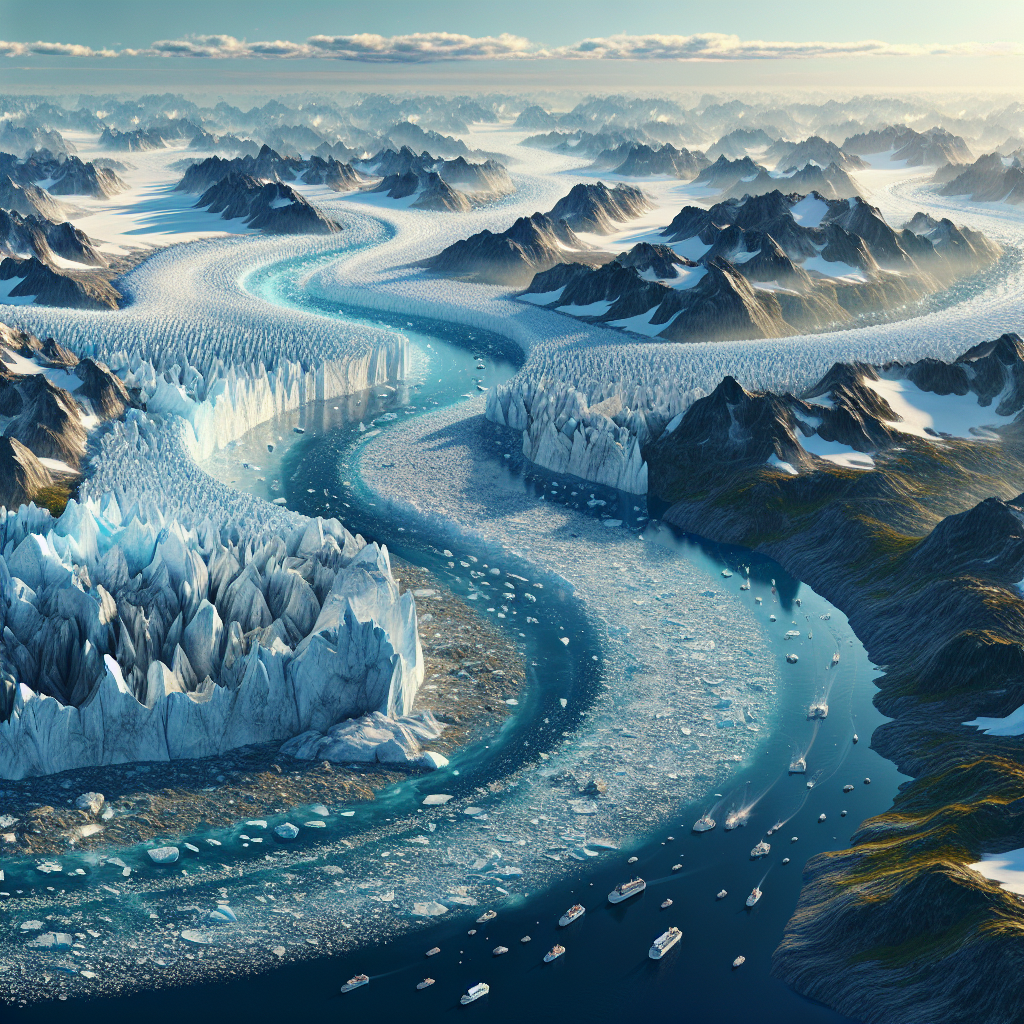
Recent research has unveiled a compelling and alarming truth: melting glaciers have contributed nearly 2 centimeters to rising sea levels this century, as highlighted by a comprehensive study led by experts from the University of Edinburgh and the University of Zurich. Between 2000 and 2023, the world’s glaciers collectively shed an astonishing 6.542 trillion tonnes of ice, resulting in an 18mm elevation of global sea levels. This sobering data not only underscores the dramatic impacts of climate change but also beckons a moment of reflection on humanity’s role as stewards of God’s creation.
The study reveals that glaciers lost, on average, 273 billion tonnes of ice annually, which is equivalent to the water consumed by the entire global population over 30 years. This stark reality emphasizes the immediate and far-reaching implications of glacier loss, with significant regional disparities noted—Antarctic glaciers losing 2% of their volume, while central European glaciers endured a staggering 39% reduction.
“These numbers are staggering,” remarked Prof. Noel Gourmelen, co-lead author of the study. This urgency is further reinforced by a finding that ice melting has accelerated, with a 36% increase in losses between 2012 and 2023 compared to the previous decade. Prof. Andrew Shepherd noted, “Even small amounts of sea level rise matter because it leads to more frequent coastal flooding.” As we consider these revelations, it serves as a poignant reminder of humanity’s interconnectedness with nature and the gravity of our choices.
The implications extend beyond rising waters; approximately 2 billion people rely on glacier meltwater for their freshwater supplies, crucial for agricultural, domestic, and industrial uses. “Their retreat is a big problem for society,” Shepherd said, highlighting the delicate balance between human existence and the natural world. Furthermore, glaciers play a vital role in hydropower generation in regions like Iceland and parts of Europe, showcasing the impact of this delicate equilibrium on our everyday lives.
The findings, published in the journal Nature, are part of the Glacier Mass Balance Intercomparison Exercise (Glambie), which employs innovative technologies to assess glacier dynamics comprehensively. As glaciers continue to vanish, they not only mark the loss of majestic landscapes but also signal a broader ecological crisis—the diminishing of resources that support millions globally.
In a spiritual light, these developments prompt us to reflect on stewardship. The Bible teaches us to care for the Earth and all its inhabitants. In Genesis 2:15, we learn that God placed humans in the Garden of Eden to work it and take care of it. This verse transcends mere environmentalism; it calls us to a profound relationship with creation, reminding us that in protecting the environment, we honor the Creator.
As we grapple with the realities of climate change, we are prompted to consider how our actions can align with the spiritual principles of stewardship, compassion, and responsibility. Just as Jesus taught us to love our neighbors, we are called to extend that love to the world around us, recognizing that the health of our planet directly affects the well-being of countless lives.
Ultimately, the message is one of hope and engagement. While the statistics may seem daunting, they can also inspire collective action and personal reflection on how we care for our planet. With thoughtful engagement rooted in the principles of faith and stewardship, we can contribute to a sustainable future.
In facing this environmental challenge, let us remember the encouragement from Proverbs 12:10: “The righteous care for the needs of their animals, but the kindest acts of the wicked are cruel.” This verse invites us to ponder our commitment to kindness—not only towards each other but towards all of creation. May this lead us to actively participate in nurturing the world entrusted to us, fostering a legacy of care and reverence for the Earth that reflects our belief in the goodness of God’s creation.
Explore and dig up answers yourself with our BGodInspired Bible Tools! Be careful – each interaction is like a new treasure hunt… you can get lost for hours 🙂