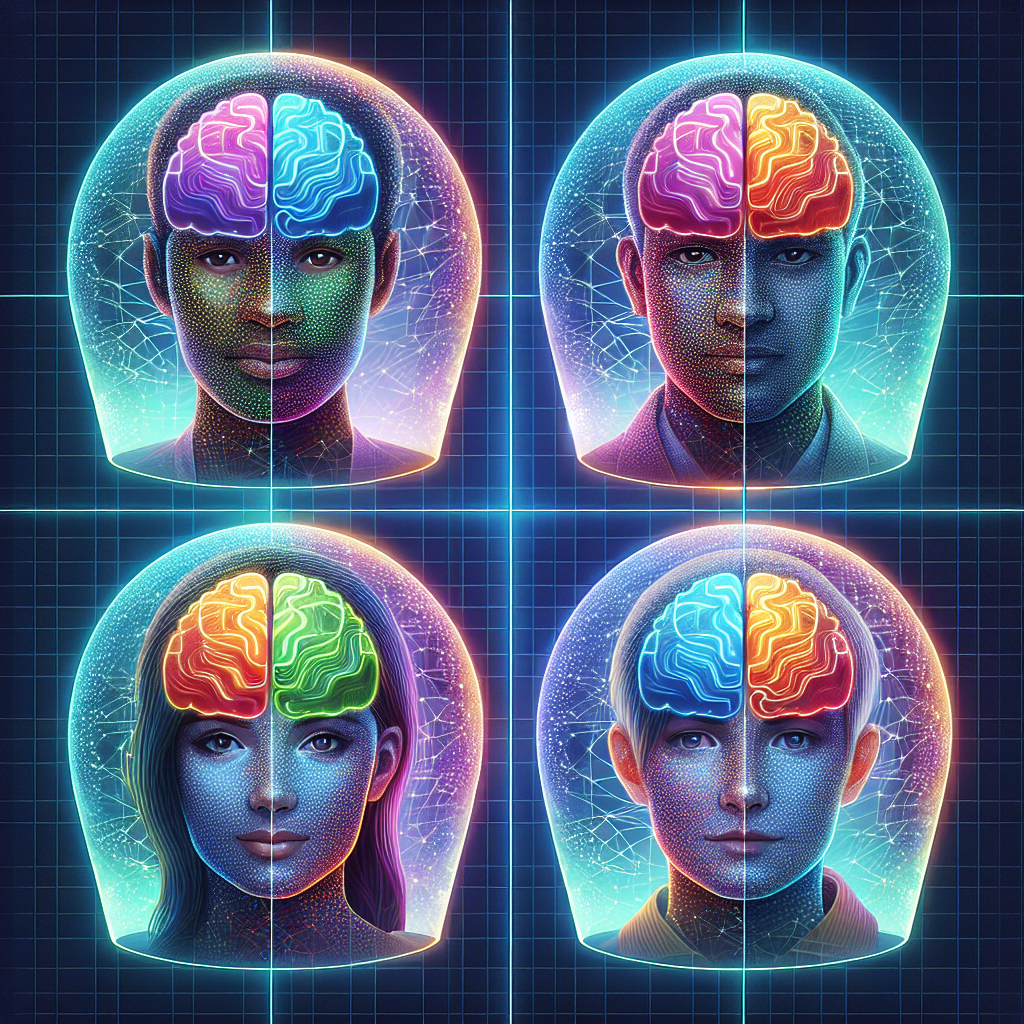
Breakthrough Study Uncovers Distinct Subtypes in Autism Spectrum Disorder
Researchers Shed Light on Complexity of Autism Through Machine Learning and Neuroimaging
In a groundbreaking study published in Nature Neuroscience, researchers from Weill Cornell Medicine have identified four distinct subtypes of Autism Spectrum Disorder (ASD) based on brain activity and behavioral traits. This pivotal research not only enhances the understanding of ASD’s complexity but also opens new avenues for personalized treatment strategies.
ASD, a condition marked by challenges in social interaction, communication, and repetitive behaviors, encompasses a diverse array of presentations and difficulties. The inherent heterogeneity complicates efforts to pinpoint root causes and develop effective interventions. Neuroimaging studies, particularly through the use of functional magnetic resonance imaging (fMRI), have revealed significant differences in brain connectivity among individuals with autism compared to their neurotypical peers.
Navigating this complex landscape, the research team analyzed neuroimaging data from nearly 300 individuals with autism and over 900 neurotypical participants. Lead author Dr. Amanda Buch, along with co-senior author Dr. Conor Liston, articulated the study’s significance: “Our work provides a framework to better understand this variability,” said Dr. Liston, reflecting on the profound implications for diagnosis and therapy.
Using advanced machine learning techniques, the team identified distinct brain connectivity patterns associated with specific behavioral traits, revealing two subgroups with above-average verbal intelligence exhibiting differing communication challenges. The remaining two subgroups showcased significant impairments in social interaction, emphasizing the biological diversity within ASD.
The relationship between brain activity and genetic factors was also explored, with the study highlighting key proteins such as oxytocin, known for its role in social connections. “Many implicated genes had been associated with autism previously, validating our findings,” noted Dr. Buch. This emphasis on genetic underpinnings resonates with the biblical principle found in Psalm 139:14, which states, “I praise you because I am fearfully and wonderfully made; your works are wonderful, I know that full well.” Just as every individual reflects the unique creation of God, this research underscores the importance of recognizing the distinct neurological and behavioral profiles within each individual with autism.
The implications of this work extend beyond mere academic understanding. As autism advocacy focuses on acceptance rather than a ‘cure,’ this research aligns with a Christ-centered approach of embracing diversity and recognizing the inherent worth of each person. Dr. Kevin Pelphrey of George Washington University called the study “groundbreaking,” emphasizing the potential for refining diagnostic criteria and treatment strategies.
While the study offers valuable insights, researchers acknowledge that further exploration is needed. Plans include in-depth studies of the underlying biology in animal models, as well as developing tailored therapies informed by distinct subgroup characteristics. The aim is to create a more personalized medical approach that could transform outcomes for individuals with autism.
As the research community moves forward, one thing is clear: the call for understanding and support of individuals with diverse needs is ever-present. As Proverbs 31:8-9 reminds us, “Speak up for those who cannot speak for themselves, for the rights of all who are destitute. Speak up and judge fairly; defend the rights of the poor and needy.” This research reinforces the importance of advocacy and compassion in supporting those with ASD.
In conclusion, the endeavor to decipher the complexities of autism through scientific inquiry reflects a greater truth: that every person is uniquely designed, possessing individual strengths and challenges. The journey of understanding autism is not merely academic; it is a profound reminder of our calling to care for one another with love and respect. As we reflect on this groundbreaking study, let us embrace the diversity within our communities and remain committed to supporting each other through continued compassion and understanding.
Explore and dig up answers yourself with our BGodInspired Bible Tools! Be careful – each interaction is like a new treasure hunt… you can get lost for hours 🙂