 0
0
 0
0
Title: Whales in Distress: Noise Pollution Threatens Marine Life in Norway’s Fjords
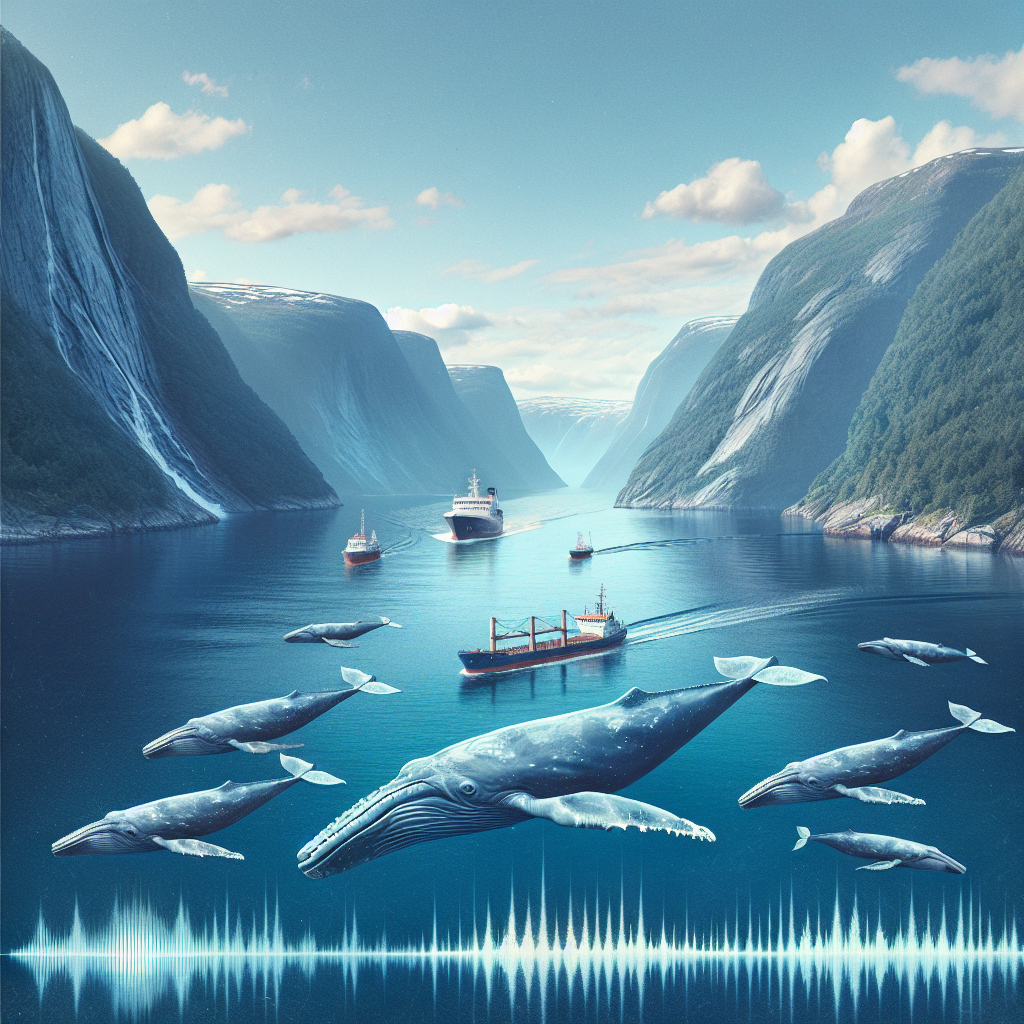
In a resonant call for environmental awareness, biologist Dr. Heike Vester reveals the alarming impact of noise pollution on whales in Norway’s Vestfjorden. During a recent demonstration, she played recordings filled with the familiar sounds of the fjord: the steady roar of boat engines, the sharp blasts of seismic airguns used for oil and gas exploration, and overshadowed, yet poignant, the vocalizations of whales trying to communicate. “As soon as there’s boat noise, they can’t feed any more,” Dr. Vester warns, highlighting the detrimental effects of human activities on these majestic creatures.
This serene yet endangered underwater world, where orcas, minke, humpback, and blue whales gather, now faces a rising tide of sound pollution. As Dr. Vester explains, each seismic blast travels vast distances underwater, drowning out the vital communication signals of whales, which rely on sound for navigation and feeding. The struggle of these marine inhabitants resonates with the broader biblical principle of stewardship over creation. Just as the earth and its creatures are a testament to divine creation, they also call upon humanity to act responsibly toward their preservation.
According to a recent report, the noise levels in Vestfjorden have increased dramatically over the past two decades. Vester noted that there is hardly a place or day when she doesn’t hear the intrusive sounds of boats or ships. With the rise of tourism, cargo shipping, and oil exploration, the once serene sounds of the fjord are compromised, making it increasingly difficult for whales to thrive in their natural habitat. “The whales now live in a soundscape that is full of noise,” she lamented.
Much like the importance of silence and solitude highlighted in the teachings of Jesus, Dr. Vester’s findings remind us of the significance of listening—not only to our surroundings but also to the calls of those whose existence we often overlook. The Bible speaks to this beautifully in Psalm 46:10: "Be still, and know that I am God." This verse invites us to embrace moments of quiet and reflection, much like the sacred space that whales must seek amidst the chaos created by human interference.
The consequences of our actions extend beyond the visible. When seismic airguns are fired, they not only disrupt the communication of whales but can also kill zooplankton, food for numerous marine species, in a radius of 1.2 kilometers. The interconnectedness of life draws parallels to the body of Christ discussed in 1 Corinthians 12:12, emphasizing that every part matters and is essential for the whole.
As we grapple with the implications of our industrial activities on local ecosystems, Dr. Vester advocates for actionable solutions. “Switch it off and it’s gone,” she asserts regarding noise pollution, urging for measures that could limit boat traffic and reduce overall noise. In challenging times, it is fulfilling to remember that positive change is possible.
Reflecting on this pressing issue invites us to consider our role within creation and the significance of our actions. How can we consciously choose to be better stewards of the earth God entrusted us? As we listen to the calls of the whales, let us also respond to the call to protect our planet.
In closing, let this narrative remind us to pause, reflect, and engage with the world thoughtfully. By embracing a lifestyle of respect for all living beings, we can work collectively toward healthier oceans and, ultimately, a more compassionate world, echoing the core tenets of faith in action.
Explore and dig up answers yourself with our BGodInspired Bible Tools! Be careful – each interaction is like a new treasure hunt… you can get lost for hours 🙂