 0
0
 0
0
New Zealand’s Coastal Crisis: Sewage Discharge Sparks Outrage and Reflection
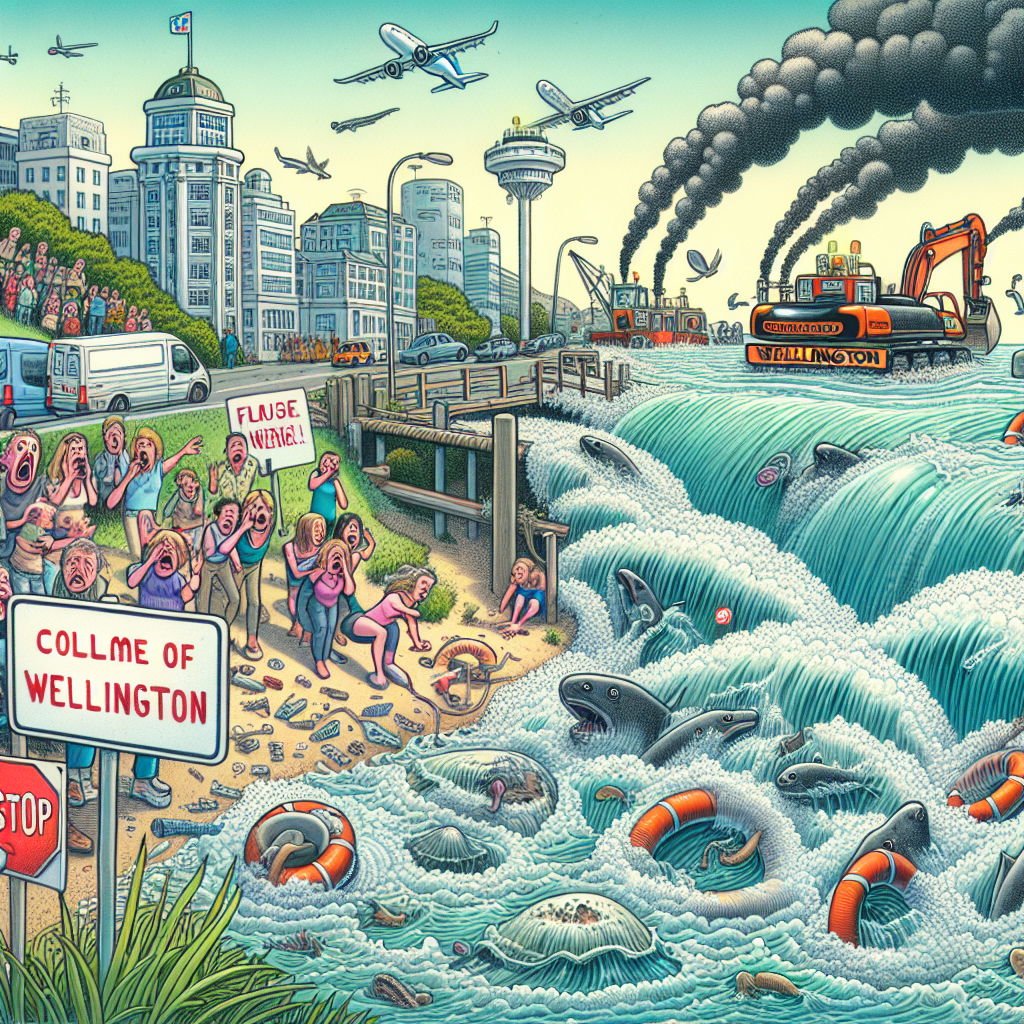
In a startling environmental crisis, Wellington, New Zealand, is grappling with a severe sewage disaster, as millions of liters of raw and partially screened wastewater have been discharged directly into the ocean following the collapse of the local wastewater treatment plant two weeks ago. This unsettling scenario has ignited widespread anger and distress among residents and environmentalists alike, prompting serious considerations about the roles of stewardship and accountability in community leadership.
Since February 4, untreated sewage has flowed into the ocean, affecting beautiful coastal ecosystems and accessing pristine reefs, which are home to vulnerable marine species, including the little blue penguin. The public outcry has been palpable, demonstrated in recent community meetings packed with residents seeking answers and accountability from local officials.
At the heart of this unfolding tragedy is not only the visible damage to the marine environment—beaches are closed, public health warnings are up, and wildlife are seen foraging in human waste—but a deeper conversation about the roles and responsibilities of individuals and institutions entrusted with caring for God’s creation. As Christian teachings emphasize stewardship, now is a time to reflect on humanity’s duty to protect and nurture the environment.
Eugene Doyle, a local environmental advocate, voiced the concerns of many: “Everyone in charge has done an appalling job, and they need to be held accountable.” This sentiment echoes the principles of accountability and care found in Scripture, where God’s people are called to be guardians of creation. The Bible states in Genesis 2:15, “The Lord God took the man and put him in the Garden of Eden to work it and take care of it.” This aligned mission translates to a modern-day context, mandating that community leaders prioritize the wellbeing of their constituents and the environment.
The current crisis has roots in systemic underfunding and mismanagement of water infrastructure, making it crucial for government entities to uphold their responsibilities with diligence and foresight. As Andrew Little, the mayor of Wellington, stated, city officials are in a "state of shock," acknowledging the convoluted structure of authority and responsibility surrounding the Moa Point wastewater treatment facility.
However, the faith community’s perspective encourages a proactive approach: recognizing the interconnectedness of humanity and nature means advocating for justice and restoration. As Tamatha Paul, a Green Party MP, remarked, “We are looking at generations of negligence.” This highlights the importance of restoration, reflecting the biblical principle of redemption found in the New Testament.
Local iwi leaders, representing Indigenous perspectives, voice their pain and anger at the ongoing pollution, emphasizing that “this is our source of sustenance.” Their outcry resonates with the biblical calling to respect and protect the environment—a calling deeply woven into our collective spiritual fabric.
As authorities begin a national inquiry into the causes of this failure, residents and citizens are hopeful for a system that prioritizes sustainability and accountability. The urgency for improvement in infrastructure speaks to the biblical concept of wise planning and stewardship—a reminder that, according to Proverbs 21:5, “The plans of the diligent lead to profit as surely as haste leads to poverty.”
In times like these, while the despair over environmental degradation grows, it’s vital to remember the call to action in stewardship and responsibility. This crisis offers an opportunity for reflection on how communities can better align their actions with the values of care, accountability, and justice.
As believers and citizens alike, let us reflect on how we can cultivate a culture of environmental stewardship in our areas, seeking the good of creation and those who depend on it. As Jesus taught us in Matthew 5:14, we are the light of the world, called to bring hope and healing wherever darkness prevails. The situation in Wellington serves as a reawakening to the call of stewardship, urging us to act with intention and reverence towards the world that sustains us all.
If you want to want to know more about this topic, check out BGodInspired.com or check out specific products/content we’ve created to answer the question at BGodInspired Solutions