 0
0
 0
0
Bahrain Reports Iranian Drone Attack on Desalination Plant Amid Ongoing Conflict
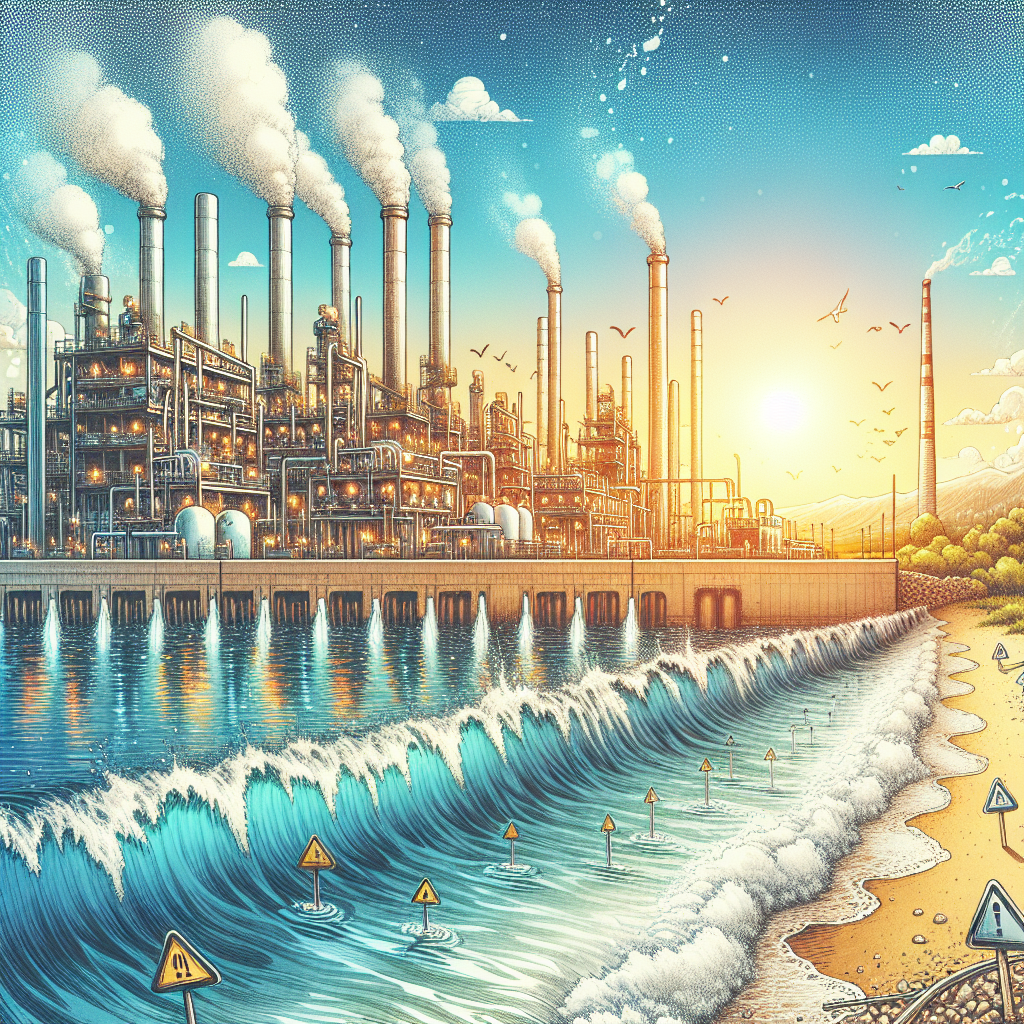
Manama, Bahrain — In a startling development, Bahrain has announced that a drone attack attributed to Iran inflicted material damage on a water desalination plant, marking the first instance in the ongoing eight-day conflict between Iran and a coalition of the US and Israel where such critical infrastructure has been targeted. This incident underscores the vulnerabilities faced by Gulf nations that rely heavily on these facilities for their water supply.
The attack on Sunday coincided with Iranian Foreign Minister Abbas Araghchi’s claims of US attacks on freshwater desalination plants in Iran, highlighting an escalation in hostilities that poses serious implications for regional stability. “Water supply in 30 villages has been impacted,” Araghchi stated, warning that such actions against Iran’s infrastructure could lead to dire consequences.
As tensions flare, questions arise regarding the security of water resources in the Gulf, particularly given that the region’s harsh climates and limited natural freshwater sources exacerbate the reliance on desalination plants.
The Role of Desalination Plants
Desalination plants are vital for converting seawater into potable water, using advanced techniques like reverse osmosis. According to the Gulf Research Center, groundwater and desalinated water together constitute approximately 90% of the Gulf’s water resources. With over 400 plants located along the Arabian Gulf from the UAE to Kuwait, the region accounts for about 60% of global desalination capacity.
For many Gulf countries, such as Bahrain and Kuwait, the majority of drinking water is derived from these facilities. The increasing importance of desalination is linked not only to the growing population but also to rising economic activities, a situation that puts the region’s stability in jeopardy when such facilities are threatened.
Historical Context
The region’s heavy reliance on desalination has historically made it vulnerable. During the Gulf War of 1990-1991, Iraqi forces severely damaged Kuwait’s desalination infrastructure. Experts warn that attacks on these facilities can have cascading effects, threatening food production and domestic stability, both of which are deeply tied to water supply.
Hydrologist Raha Hakimdavar highlighted the psychological dimension of water insecurity, noting that fear can ripple through populations when water security is jeopardized. In the words of Proverbs 25:28, “Like a city whose walls are broken through is a person who lacks self-control.” In this light, the broader implications of such attacks illuminate the necessity for harmony and stability.
Looking Ahead
As this situation unfolds, it raises critical questions about the future of water security in the Gulf. The Gulf Cooperation Council (GCC) must view water security as a collective concern. More unified strategies could mitigate individual vulnerabilities. The GCC Unified Water Strategy 2035 emphasizes integrated energy and water planning, yet its realization is crucial for the region’s sustainability amidst such tensions.
While expert opinions vary on immediate solutions, there is unanimous agreement that diversifying water resources and investing in smaller, renewable-powered desalination facilities could bolster resilience.
An Encouraging Perspective
The current challenges may seem daunting, but they also remind us of the principles of community and stewardship that echo through the teachings of Jesus. In John 4:14, we are reminded, “Whoever drinks the water I give them will never thirst.” This verse reflects the enduring hope that, together, we can foster a future where all have access to life’s essential resources, beginning with water.
As we reflect on these challenges, let this moment inspire us to cultivate a spirit of cooperation and compassion in our communities. Reinforcing our bonds and working collectively could lead to solutions that not only mitigate risks but also promote peace and understanding—a true testament to our shared humanity.
If you want to want to know more about this topic, check out BGodInspired.com or check out specific products/content we’ve created to answer the question at BGodInspired Solutions