Gray Whales Face Unprecedented Decline Amid Climate Concerns
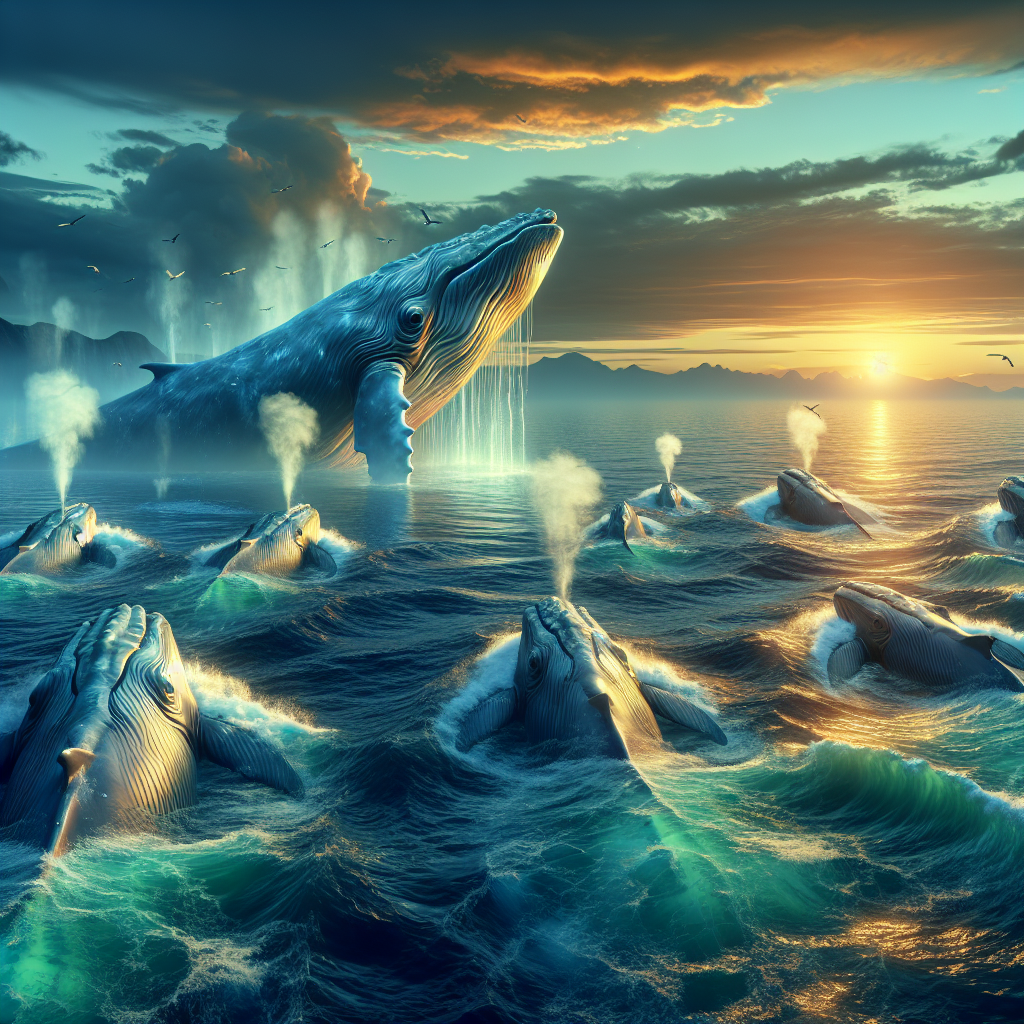
Thousands of gray whales making their annual migration from Baja California are returning north in alarming condition, raising significant concerns among researchers and marine conservationists. Reports indicate that many whales are emaciated, and sightings of calves have reached an all-time low. The current situation is reminiscent of a previous die-off, underscoring the precarious state of this iconic species.
Experts posit that the deteriorating health of the gray whales can be attributed to changing feeding conditions in the Arctic. Many whales may have started their lengthy 12,000-mile migration already malnourished, a situation compounded by a poor calving season this past winter. Early reports from volunteer whale watchers along the California coast have confirmed sightings of emaciated whales, and over 80 animals have died in Baja’s protected lagoons, critical breeding grounds for mothers and calves.
Alisa Schulman-Janiger, who has led gray whale census efforts since 1979, expressed her dismay at the current observations. “The numbers so far are the lowest ever, and the whales we are seeing are extremely emaciated,” she stated, highlighting the visible signs of malnutrition such as bulging ribs and protruding vertebrae. Shockingly, not a single calf was spotted during the southbound migration last fall—an unprecedented occurrence in her four-decade experience.
Researchers have noted that fewer whales returned this winter to Mexican lagoons, indicating the need to travel farther than usual for adequate food sources. This extra strain likely exacerbates their already weakened condition. As Jorge Urban, director of the Marine Mammal Research Program at the University of Baja California Sur, pointed out, “Everything we are seeing right now is very sad.”
The broader context of this crisis links closely to ongoing environmental changes. Josh Stewart, an ecologist from Oregon State University, attributes the plight of gray whales to alarming warming trends in the Arctic, which have resulted in the rapid melting of sea ice. The reduction of sea ice diminishes vital algae growth that supports the entire marine food chain. As Stewart noted, “It’s one of the most rapidly warming places on the planet, and what we’re seeing now are the impacts of climate change in real time.”
Reflecting on this situation brings to mind biblical principles of stewardship and care for creation. In Genesis 1:26, it is written, “Then God said, ‘Let us make mankind in our image, in our likeness, so that they may rule over the fish in the sea and the birds in the sky, over the livestock and all the wild animals, and over all the creatures that move along the ground.’” This verse reminds us of our responsibility to protect the environment and the beings that inhabit it.
The gray whale’s struggle prompts us to consider how our actions may influence the delicate balance of life in our oceans. While the current circumstances are disheartening, this situation also offers an opportunity for collective reflection and action. It serves as a reminder of the interconnectedness of all creation and our duty to care for it.
As the migratory season unfolds, it is imperative for researchers and volunteers to continue monitoring these majestic creatures, hoping for improvement in calf sightings and overall whale health. While challenges remain, the resilience of nature often inspires hope. By recognizing our part in this ecosystem, we may be moved to advocate for change and stewardship.
Let us take this opportunity to reflect on our individual and collective responsibility towards creation. As we observe the plight of the gray whales, may we seek ways to support conservation efforts and embrace the biblical call to safeguard our world. In doing so, we strive towards a hopeful future for both whales and the earth itself.
Explore and dig up answers yourself with our BGodInspired Bible Tools! Be careful – each interaction is like a new treasure hunt… you can get lost for hours 🙂