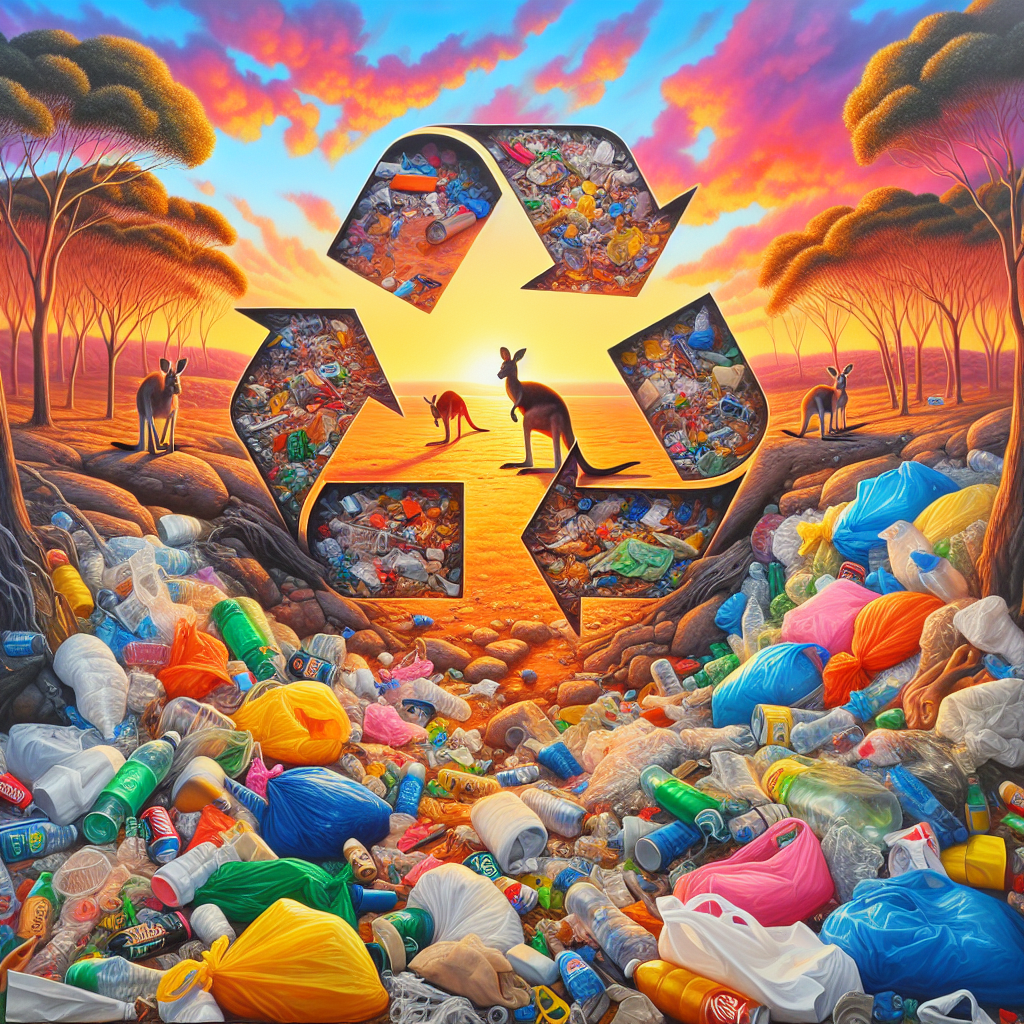
Australia’s Soft Plastics Crisis: Two Years After REDcycle’s Collapse, 94% Still in Landfill
Two years following the collapse of REDcycle, a staggering 94% of Australia’s soft plastics continue to end up in landfills, igniting urgent calls for accountability within the packaging industry. Although supermarkets have resumed soft plastic collection and cleared 42 warehouses of waste, experts emphasize that without significant changes, the recycling system remains fundamentally flawed.
By mid-2023, collections had made headway, clearing stockpiles of 11,000 tonnes of soft plastics. However, an additional 3,500 tonnes linger at two sites in Victoria and South Australia, with processing expected to conclude by 2026. The Soft Plastics Taskforce has rolled out over 100 new collection points in Woolworths, Coles, and Aldi, but caution is advised—only what can be processed is being collected.
A spokesperson for the taskforce highlighted, “There is simply not enough soft plastic recycling capacity in Australia to support full, nationwide collections.” This gap in capacity underscores a significant need for a systematic overhaul in how plastic waste is managed.
Reflecting on this issue parallels the biblical call to stewardship found in Genesis 2:15, where humanity is tasked with caring for the earth. Just as we are entrusted with the physical world, so too are we called to responsibly manage the resources within it.
Though REDcycle once offered a semblance of resolution, the reality is stark. The organization managed to collect only 7,500 tonnes of the 538,000 tonnes of flexible plastic waste produced annually in Australia, underscoring the extent of the challenge. Gayle Sloan, CEO of the Waste Management and Resource Recovery Association of Australia, remarked, “We consume too much [soft plastics], discard too much, and we don’t buy back anywhere near enough.” This calls for a collective commitment not only as consumers but as stewards of creation.
The situation is compounded by complex packaging designs and a lack of demand for recycled materials. Plastics are frequently entangled with inks, food residues, and multi-layer compositions that hinder their recyclability. “The economics is broken in soft plastics,” asserted David Hodge of Plastic Forests, stressing that the costs of recycling currently outweigh the benefits.
As the federal government considers reforming packaging regulations, there is growing consensus that the responsibility should not rest solely on consumers. Studies show that 80% of stakeholders support stricter regulations, while 65% advocate for extended producer responsibility. This aligns with the biblical principle of accountability, emphasizing that those who produce goods should also ensure their proper lifecycle management.
Jennifer Macklin of Monash University notes that solving this crisis involves designing more easily recyclable packaging and creating robust demand for recycled products. This mirrors the lesson in Galatians 6:5, which reminds us that each person should carry their own load.
Moving forward, the call to action is clear: the responsibility falls on manufacturers and consumers alike to prioritize sustainability. The challenge lies in reshaping our collective behaviors and expectations around packaging, echoing the principle found in Luke 16:10—“Whoever can be trusted with very little can also be trusted with much.”
As we reflect on this pressing issue, let’s remember the broader spiritual lesson about stewardship and responsibility. We’re reminded that caring for our environment is not just a task but a reflection of our values. By acting with intention, we can contribute to a healthier planet, embodying a spirit of care and respect for the creation entrusted to us.
Encouraging Takeaway
Let us strive to be conscious stewards of the materials we use. In doing so, we can foster a culture of responsibility that echoes the biblical call to care for our world. As we consider our own roles, may we be inspired to make choices that honor our commitment to both the earth and our community.
Explore and dig up answers yourself with our BGodInspired Bible Tools! Be careful – each interaction is like a new treasure hunt… you can get lost for hours 🙂