 0
0
 0
0
A Cultural Revival: Reintroducing Reindeer and Their Significance to Finnish Heritage
In Ilomantsi, Finland, a unique vision is unfolding, one that unites environmental restoration with cultural rejuvenation. Folk musician Liisa Matveinen, known for her deep ties to the oral traditions of the Karelian region, is a symbol of this movement, which aims to reintroduce wild reindeer to a landscape where their presence once flourished.
Matveinen resides in a mustard-colored home just 12 miles from the Russian border, surrounded by shelves filled with traditional folk songs. In her songs, she recounts the stories of humble hunters who once roamed these lands, honoring reindeer as providers of sustenance and a sense of belonging. As Matveinen puts it, singing connects her to a “vanished world” where hunting and fishing were way of life, reinforcing the deep-rooted cultural heritage of her community.
The plight of the wild reindeer echoes a broader concern: the loss of cultural and ecological heritage in a world increasingly driven by industrialization. The last wild forest reindeer in Karelia was hunted in 1919, a stark reminder of how vulnerable traditions can be. Museum displays of their horns serve as somber tokens of a world that once was, much like the biblical parables that reflect on the nature of loss and restoration.
A Path to Restoration
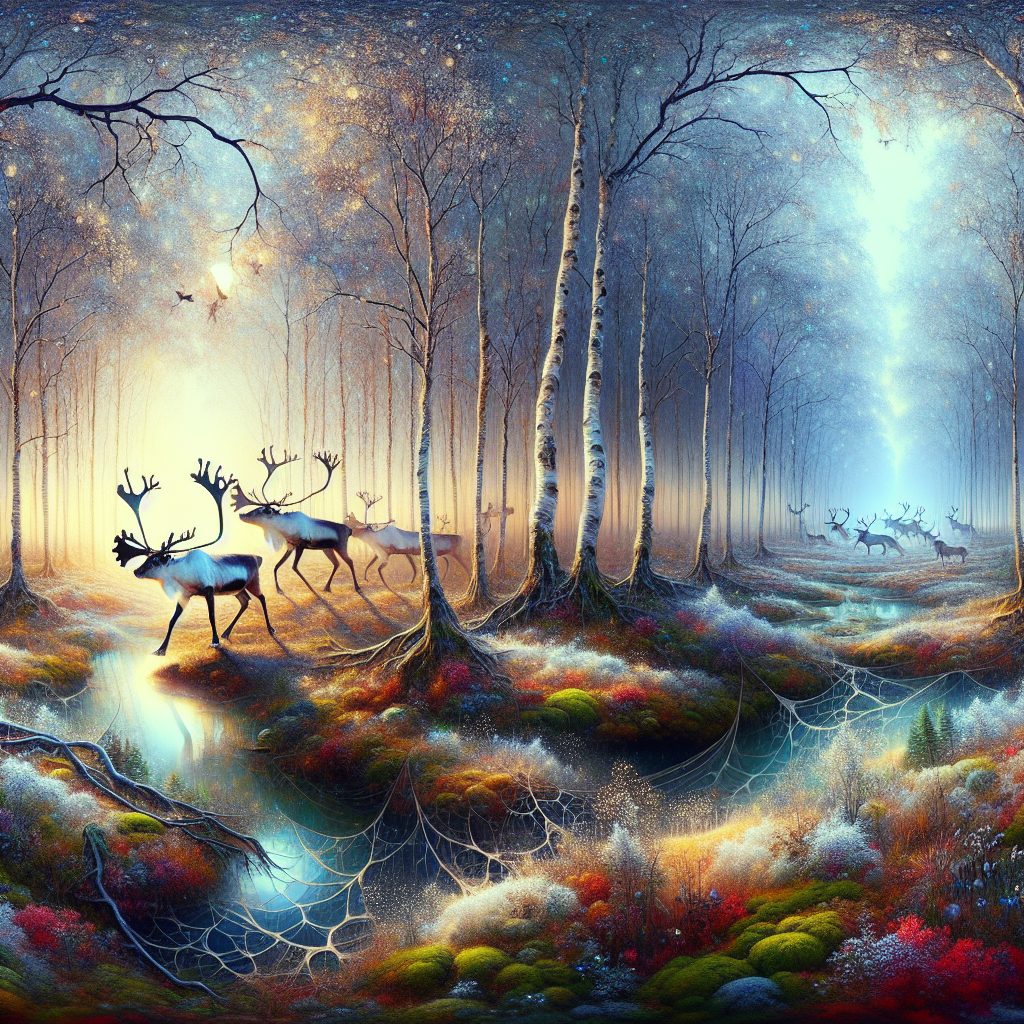
Today, however, hope permeates the initiative spearheaded by Tero Mustonen, a climate scientist and lead advocate for the reintroduction project. The plan involves restoring approximately 3,500 hectares of boreal peatland, a habitat essential for reindeer to thrive. By 2028, the first wild reindeer are expected to be released, with an envisioned herd of 300 in the years to follow. Scouting animals have already begun exploring the area, signaling that the dream of rewilding may soon become a reality.
Yet, the journey does not end with mere ecological restoration. The project embraces a concept known as "deep mapping," which seeks to revive the cultural narratives tied to these reindeer. Mustonen emphasizes the importance of cultural heritage and ecological mindfulness, stating that “our responsibility to animals is important” and that knowledge passed down through oral histories can help guide people toward sustainable interactions with wildlife. This echoes the biblical principle that we are stewards of creation, tasked with caring for both the earth and its inhabitants. As Genesis 1:28 invites, we are called to “fill the earth and subdue it,” yet this dominion is meant to reflect a heart of care and reverence.
A Symphony of Connection
The project’s vision extends beyond animals; it aims to rekindle a connection between people and the landscape that has sustained them for generations. As communities recognize the significance of the reindeer, they may also come to appreciate their role in the ecosystem and their heritage—reminders of their identity and purpose in this vast world. “Deep mapping” not only seeks to restore the land but also to reawaken a sense of belonging, much like how Jesus taught individuals to seek the Kingdom through relationships with God and one another.
As the restoration of peatlands progresses, biodiversity in the area has begun to flourish. Birds such as black-tailed godwits and northern lapwings have returned, indicating that the land is healing. The flourishing ecosystem serves as a reminder that restoration—whether of land, community, or spirit—takes time but is achievable with patience and dedication.
Reflecting on Spiritual Lessons
Ultimately, the reintroduction of the wild reindeer in Karelia stands as a testament to the promise of revival in both nature and culture. It invites us to reflect on our own connection to the world around us, challenging us to consider how we nurture and honor the heritage of our communities and the creation entrusted to us.
As we contemplate this project, we are reminded of Matthew 6:26, which states, "Look at the birds of the air; they do not sow or reap or store away in barns, and yet your heavenly Father feeds them." We are encouraged to see the interconnectedness of all living things and to recognize our part in this divine tapestry.
In a world that can often feel fragmented, Ilomantsi’s rewilding initiative provides a ray of hope. It invites us all to consider how we can contribute to the flourishing of our own environments, both ecological and social, nurturing connections that enrich our lives. Together, let us seek to be guardians of our own communities and the natural world, drawing inspiration from the past and looking forward to a revitalized future.
Explore and dig up answers yourself with our BGodInspired Bible Tools! Be careful – each interaction is like a new treasure hunt… you can get lost for hours 🙂