 0
0
 0
0
Scientific Predictions Point to a Future Without Oxygen on Earth – A Reflection on Creation and Sustainability
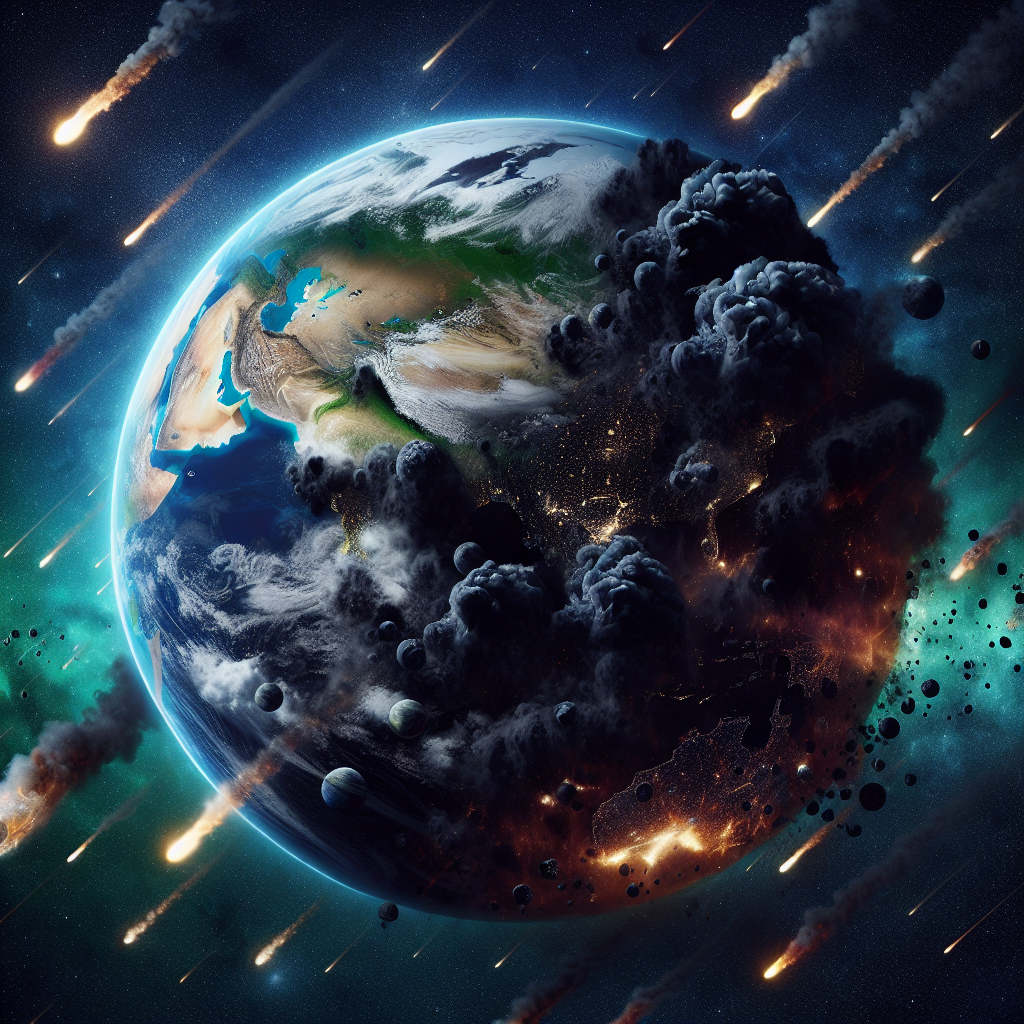
In stunning research, scientists have forecasted that our planet, currently abundant with life due to its oxygen-rich atmosphere, could revert to a methane-rich, low-oxygen state in approximately a billion years. This radical change, which may unfold swiftly, echoes conditions reminiscent of the Earth before the Great Oxidation Event about 2.4 billion years ago, a significant shift that played a crucial role in shaping life as we know it today.
Kazumi Ozaki, an environmental scientist from Toho University, highlights that the prevailing scientific understanding paints a picture of a progressive decline in atmospheric carbon dioxide levels and a consequential global warming trend. This evolving scenario leads to the sobering realization that human existence—and that of many oxygen-dependent life forms—could be condemned long before the sun’s brightness dramatically alters the planet’s climate.
“The air we breathe is vital,” observes Chris Reinhard, an Earth scientist at the Georgia Institute of Technology, stressing the drastic drop in atmospheric oxygen projected—up to a million times less than today. The research underscores that the oxygen-rich era of Earth’s history may only represent 20-30% of its lifespan.
This unsettling vision intertwined with our current reality raises important questions about responsibility and stewardship. As caretakers of this earth, our actions today can influence the environment we will inhabit tomorrow. Indeed, these findings may prompt us to reflect on biblical principles that encourage us to care for creation, as illustrated in Genesis 2:15: “The Lord God took the man and put him in the Garden of Eden to work it and take care of it.”
Furthermore, scientists assert that the ramifications of this future deoxygenation extend beyond Earth, impacting our endeavors to find extraterrestrial life. Increased knowledge about how life has thrived under certain atmospheric conditions can redefine our approach in searching for biosignatures beyond our solar system.
In the struggle to detect potential signs of life elsewhere in the universe, the notion that oxygen is not a universal marker of life becomes increasingly clear. The research urges us to look deeper, showing that maintaining a balance within ecosystems is crucial—not only for current lifeforms but also for future generations.
So, what can we take away from this complex yet fascinating forecast? While the science evokes deep contemplation about Earth’s fate, it also nudges us towards a broader spiritual reflection on the stewardship of our planet. Now more than ever, the call to action is to foster an environment of sustainability, encouraging us to work collaboratively to care for the world God has entrusted to us.
As we gaze into the heavens and wonder about life beyond, may we also endeavor to see the divine design within the fragility of our own ecosystem. Let us take to heart the wisdom of stewardship and aspire to cultivate a world that honors both creation and the Creator, ensuring that life can flourish for eons yet to come.
Reflecting on these insights can inspire positive actions—and perhaps motivate us to seek a deeper relationship not only with our planet but also with the principles that guide our lives in harmony with all of creation.
Explore and dig up answers yourself with our BGodInspired Bible Tools! Be careful – each interaction is like a new treasure hunt… you can get lost for hours 🙂