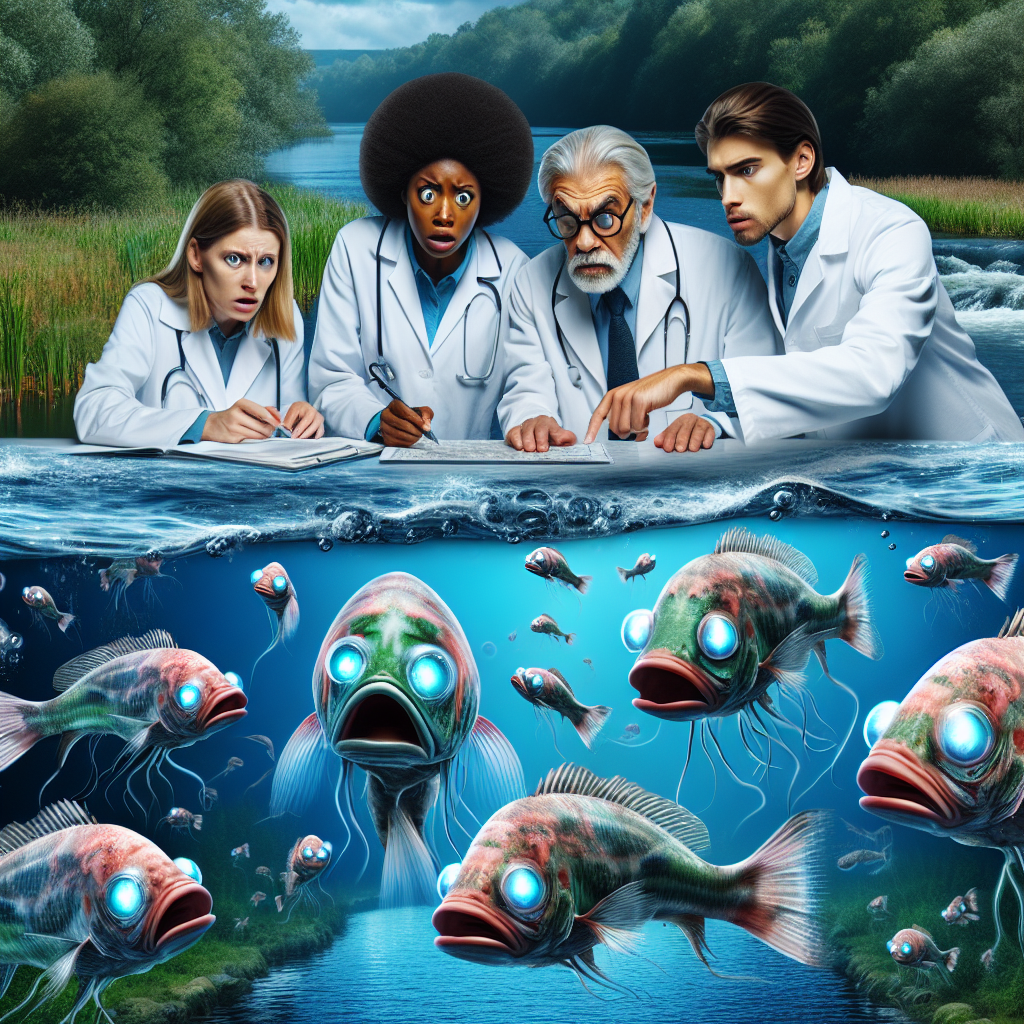
Invasive Blue Crab Threatens Canary Islands Ecosystem
An alarming ecological threat has emerged in the Canary Islands as an invasive crustacean, the Atlantic blue crab (Callinectes sapidus), has been spotted in Fuerteventura. This discovery was made by a local resident in Los Molinos who alerted authorities, prompting a swift response from environmental experts concerned about the new invader’s potential impact on local marine life.
What’s Occurring?
Aquaculture technician Alejandro Cabrera identified the blue crab, leading officials to notify the Early Detection Network for Exotic Species. This network has protocols in place to monitor and control invasive species that threaten the unique ecosystems of the archipelago. Known for its aggressive behavior and rapid spread, the Atlantic blue crab could outcompete native species for food and habitat.
Why is this Concerning?
The introduction of invasive species often leads to ecological imbalance. For instance, regions like the Mediterranean have already experienced significant ecological damage due to the blue crab. Should a breeding population establish itself in the Canary Islands, it could disrupt local marine ecosystems and pose serious threats to fisheries and biodiversity.
As the United Nations warns, unchecked invasions not only accelerate biodiversity loss but also undermine natural defenses against diseases, impacting food security. Similar issues have been observed elsewhere, highlighting the far-reaching consequences of invasive species on both natural and urban environments.
What’s Being Done?
Local authorities and environmental groups are taking proactive measures. They are monitoring coasts, setting traps, and educating residents about the importance of reporting sightings. These actions aim to curtail the blue crab’s potential establishment before it disrupts the ecosystem further.
Efforts elsewhere promote responsible practices around the introduction of non-native species. Through education and outreach, communities are learning to safeguard their local habitats, thereby strengthening their biodiversity and coastal resilience.
A Broader Perspective
Reflecting on this environmental challenge through a faith-based lens, it’s meaningful to consider how stewardship of the Earth is a biblical principle. In Genesis 1:28, it says, “And God blessed them. And God said to them, ‘Be fruitful and multiply and fill the earth and subdue it.’” This call to stewardship encourages us to actively care for and protect our planet and its creations.
Encouraging Takeaway
As we reflect on the appearance of the Atlantic blue crab in the Canary Islands, it reminds us of our shared responsibility to nurture and protect the world around us. Just as communities unite to combat invasive species, we can also foster a spirit of cooperation in our daily lives—celebrating and protecting the unique diversity of life that enriches our planet.
In the face of global challenges, let’s commit to being vigilant stewards of God’s creation, advocating for practices that safeguard our ecosystems for generations to come.
Explore and dig up answers yourself with our BGodInspired App. Be careful – each interaction is like a new treasure hunt… you can get lost for hours 🙂