 0
0
 0
0
15 Years After the Deepwater Horizon Spill: Ongoing Challenges and Restoration Efforts in the Gulf Coast
NEW ORLEANS (AP) — The echoes of the Deepwater Horizon oil rig explosion, which tragically took 11 lives and resulted in the discharge of 134 million gallons of crude oil into the Gulf of Mexico, are still felt today, 15 years later. While billions have been allocated for restoration projects and significant environmental efforts are underway, the human toll and environmental concerns remain pressing issues.
Oil giant BP has dedicated billions of dollars towards damages, facilitating coastal restoration projects across five states. Yet, many cleanup workers and affected residents continue to wrestle with serious health issues they attribute to the spill. As documented in numerous cases, only a few individuals have received meaningful compensation for their suffering, highlighting the ongoing legal struggles faced by many in the aftermath.
In Lafitte, Louisiana, the story of Tammy Gremillion serves as a stark illustration of these struggles. Her daughter, Jennifer, worked as a cleanup crew member, initially enticed by the financial rewards without understanding the potential dangers. Following months in oil-drenched waters, Jennifer developed severe health issues and tragically succumbed to leukemia in 2020, a fate Gremillion ardently connects to her exposure to toxic substances during the cleanup. As she seeks justice for her daughter’s death through legal channels, she contends with the formidable challenge of proving the connection between her exposure and her illness—a hurdle that many victims of the spill continue to face.
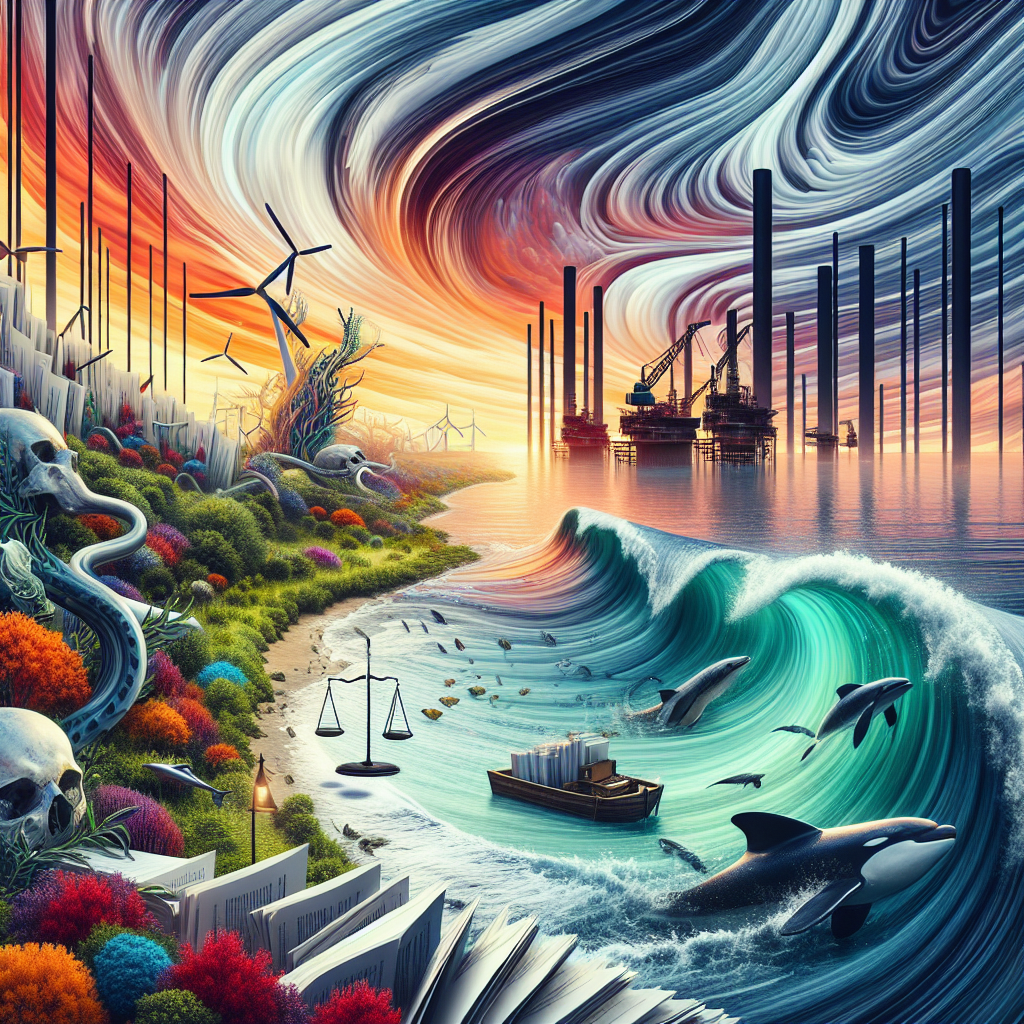
The environmental impact of the spill was devastating, with entire ecosystems suffering. Gulf Coast habitats, once vibrant, have been marred, impacting not just wildlife but also local economies dependent on fishing and tourism. PJ Hahn, a coastal management official, shared disturbing images of affected crab and oyster populations, noting that many local species struggled to survive the ensuing devastation.
Despite the challenges, restoration efforts have seen over 300 projects initiated across the Gulf, funded by financial penalties against BP. These initiatives, worth $5.38 billion, include critical efforts like wetland restoration and reef rebuilding. However, concerns linger about the effectiveness of some flagship projects, such as the controversial sediment diversion plan in Louisiana, which has sparked debate over its potential impact on local fisheries and economies.
As restoration efforts unfold, the administration has made moves to expand offshore drilling, raising alarm among conservationists. BP recently reported new oil discoveries in the Gulf, with plans for more wells, asserting that improved safety protocols are in place to prevent future disasters.
Reflecting on these events opens a broader conversation about stewardship and responsibility, central themes in Christianity. The Bible teaches us to care for our environment and each other, reminding us that even in challenging times, we are called to act with integrity and compassion. In Matthew 25:40, Jesus states, “Whatever you did for one of the least of these brothers and sisters of mine, you did for me.” Such a perspective can inspire us to consider how our actions impact not only our communities today but also future generations.
As we contemplate the lessons from the Deepwater Horizon disaster, let us embrace the call to be stewards of our environment and advocates for those affected by injustices. There is hope in restoration, both of the land and the lives intertwined with it.
In this journey toward healing, may we remember that even amidst struggles, we can cultivate resilience and foster a spirit of compassion. Let us reflect on the importance of caring for our neighbors and our planet—an endeavor that holds the potential for profound transformation.
Explore and dig up answers yourself with our BGodInspired Bible Tools! Be careful – each interaction is like a new treasure hunt… you can get lost for hours 🙂