Unraveling the Mystery of Salinella: A Quest for the Oldest Living Animal
In an extraordinary journey last February, a zoologist and his team embarked on a quest to locate a remarkable yet elusive creature known as Salinella, believed to be the oldest living animal on Earth. This expedition took them to Río Cuarto, a seemingly unremarkable city situated east of the majestic Argentinian Andes, in pursuit of one of nature’s extraordinary secrets.
Why a worm, you may wonder? For many, the fascination lies with the more familiar vertebrates like mammals and birds, which dominate our attention. However, zoologists recognize that the true diversity of animal life exists within the invertebrates, a realm that includes the intriguing world of worms. In an analogy, vertebrates can be likened to an array of cars—familiar and varied—while invertebrates resemble the creative realms of transport: airplanes and roller skates, revealing the broader tapestry of life on our planet.
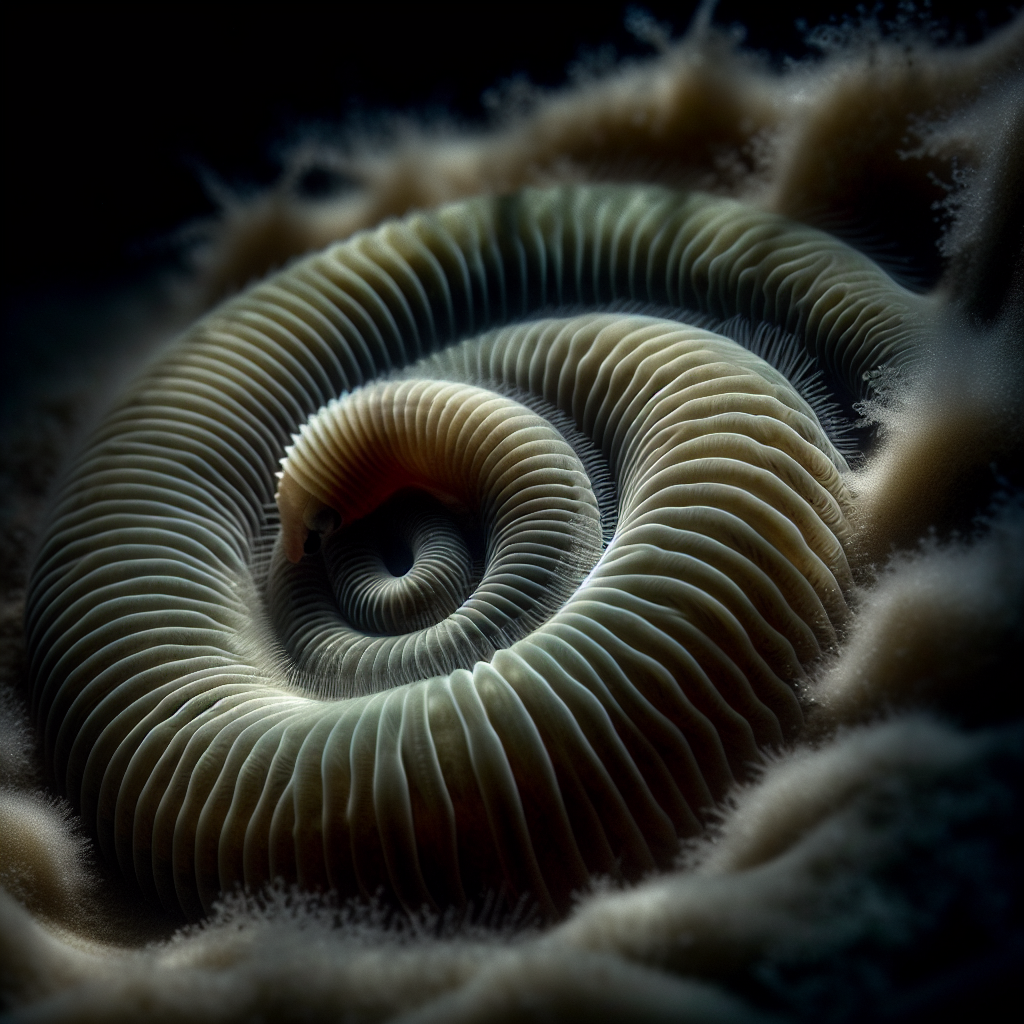
The focus of the quest, Salinella, was first described by the 19th-century German zoologist Johannes Frenzel. He claimed it is not only the oldest living animal but also a link to a time before more complex creatures evolved—making it a unique biological time machine. Exploring Salinella’s structure could potentially provide insights into our planet’s earliest inhabitants, offering a glimpse of life as it existed over 600 million years ago.
Frenzel’s own account of discovering Salinella, however, presents a chaotic set of instructions—an almost mystical treasure map fraught with ambiguity. His method for obtaining the sample involved a mix of environmental serendipity: sample soil, a few drops of iodine, and an extended rest in sunlight, leading to uncertainty about the worm’s exact origin. The struggle to decipher this enigma reflects a broader truth about the nature of discovery; breakthroughs often emerge from patience, perseverance, and a willingness to embrace the unknown.
During the team’s two-week odyssey through Argentina, including visits to the vibrant city of Buenos Aires, they ultimately found that the landscape had transformed dramatically in the past century, making the search for the original salty soil sample increasingly challenging. Yet, the conviction to unravel the mysteries of the natural world remained undeterred. As they poured over the lost possibilities of the past, they exemplified a spirit echoed in Proverbs 25:2, which states, “It is the glory of God to conceal a matter; to search out a matter is the glory of kings.” This noble pursuit of understanding mirrors mankind’s calling to explore and engage with creation thoughtfully.
Ultimately, while the expedition did not yield the hoped-for discovery of Salinella, it serves as a metaphor for the deeper spiritual journey many of us undertake. Just as those dedicated scientists sought to illuminate the past, we too are invited to reflect on our place in the universe, understanding that even in our quest for knowledge and meaning, the path toward knowledge can hold just as much importance as the destination.
As we navigate life’s uncertainties and mysteries, let us remember that our pursuit of understanding—like the search for Salinella—requires patience, curiosity, and an openness to God’s unfolding story. Each step of the journey holds the potential for growth and revelation.
Embrace the unknown with hope and wonder, for within life’s mysteries lies an opportunity to draw closer not only to the depths of nature but to our Creator as well. The expedition might have faced challenges, but as Proverbs 3:5-6 encourages us, “Trust in the Lord with all your heart and lean not on your own understanding; in all your ways submit to him, and he will make your paths straight.”
If we approach our own discoveries—both in nature and in life—with a spirit of trust and exploration, every journey can reveal greater truths than we may initially perceive.
Explore and dig up answers yourself with our BGodInspired Bible Tools! Be careful – each interaction is like a new treasure hunt… you can get lost for hours 🙂