 0
0
 0
0
The Curious Tale of Albert Einstein’s Brain: A Legacy Rediscovered
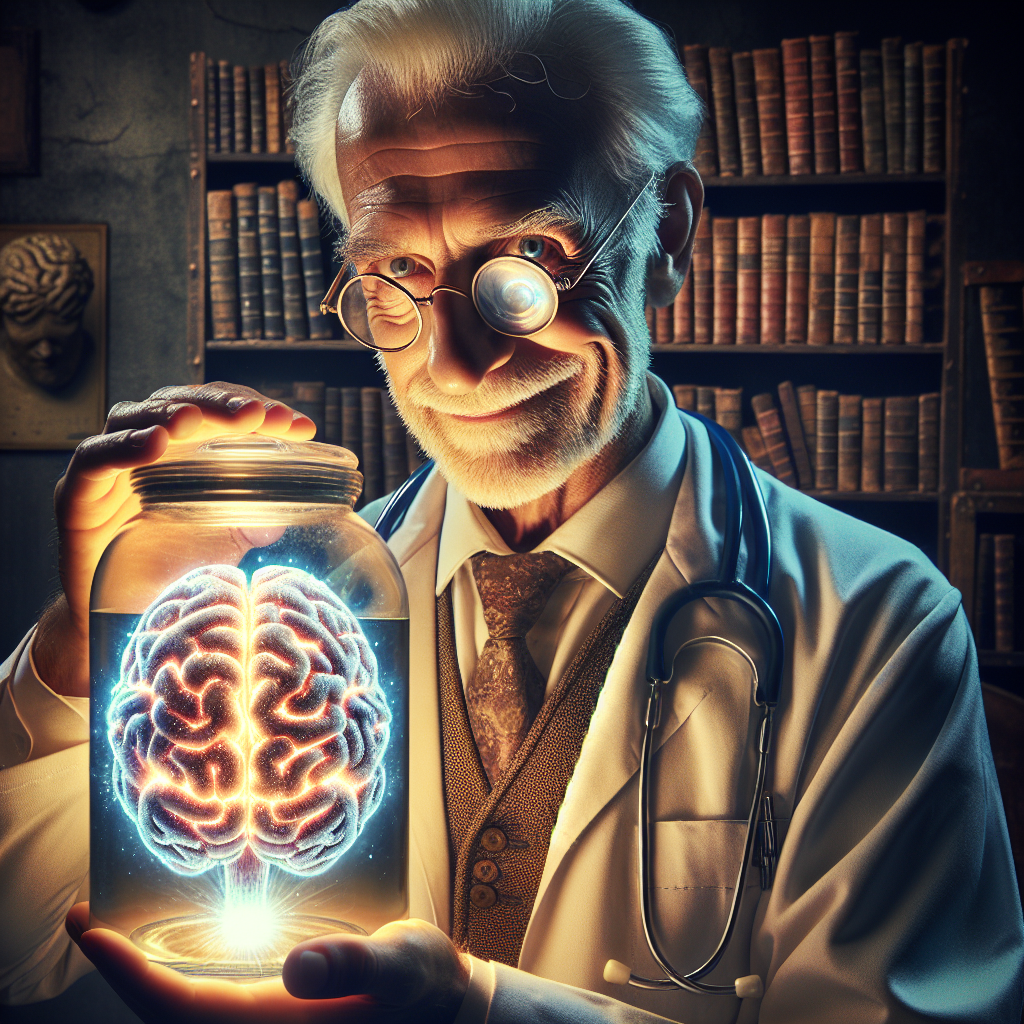
Princeton, NJ — The aftermath of Albert Einstein’s passing on April 18, 1955, not only marked the end of a brilliant scientific career but also set off a curious and unsettling chapter in the annals of medical ethics and personal integrity. A request for his body to be cremated and scathed in secrecy was overshadowed by the actions of Dr. Thomas Stoltz Harvey, the pathologist who, without prior consent, removed Einstein’s brain during the autopsy. This unauthorized act sparked decades of scientific intrigue, ethical debates, and a profound reflection on the value of life and dignity.
Einstein arrived at Princeton Hospital complaining of severe chest pain and succumbed to a ruptured abdominal aortic aneurysm later that night. Dismissing suggestions for surgery, he expressed a desire to pass on his own terms. Despite his wishes, Harvey, seeking to unlock the secrets behind Einstein’s remarkable intellect, kept the brain for over four decades. This act raises a significant question: what does it mean to respect the dignity of individuals, even in death?
In the months following, the story of Einstein’s brain morphed from that of a revered scientist to an unsettling tale of possession and scientific curiosity. After being dismissed from Princeton Hospital, Harvey inadequately stored and transported the brain, cutting it into approximately 240 sections. The mishandling echoed a biblical principle on the sanctity and respect for the human body. “You are not your own; you were bought at a price. Therefore honor God with your bodies.” (1 Corinthians 6:19-20).
In 1985, research finally emanated from these storied remains, revealing cellular differences that sparked media frenzy but left many in the scientific community skeptical. Critics argued that drawing conclusions from a single sample could not truly illuminate the enigma of genius—an observation that aligns closely with scriptures that remind us of the complexity and individuality of God’s creation. Each person, like each brain, holds unique qualities and potential.
Furthermore, in a world often preoccupied with the quest for greatness, we must reflect on the biblical view of greatness. Jesus taught that true greatness lies in service and humility, not in accolades or scientific acclaim. The continued fascination with the remnants of Einstein’s brain serves as a reminder that wisdom and intellect alone do not measure one’s worth in the eyes of God.
Harvey’s story concluded with the eventual transfer of portions of Einstein’s brain to public institutions, but not without leaving an indelible mark on discussions around ethical standards, personal dignity, and the legacies we leave behind.
As we ponder the curious voyage of Einstein’s brain, it invites us to examine our own connections to the ideals of respect and dignity in our lives and relationships. Moreover, it prompts a deeper reflection on how we honor the values instilled in us—values that encourage us to treat every individual with the dignity and love they deserve.
In a world often fixated on genius and greatness, let us remember the words of Jesus: “Whoever wants to become great among you must be your servant.” (Matthew 20:26). As we strive for our aspirations, may we also serve one another with humility and grace, embracing our unique potentials while valuing the sanctity of life in all its forms.
If you want to want to know more about this topic, check out BGodInspired.com or check out specific products/content we’ve created to answer the question at BGodInspired Solutions