Tragic Death of Spanish Tourist Raises Concerns Over Wildlife Tourism in Thailand
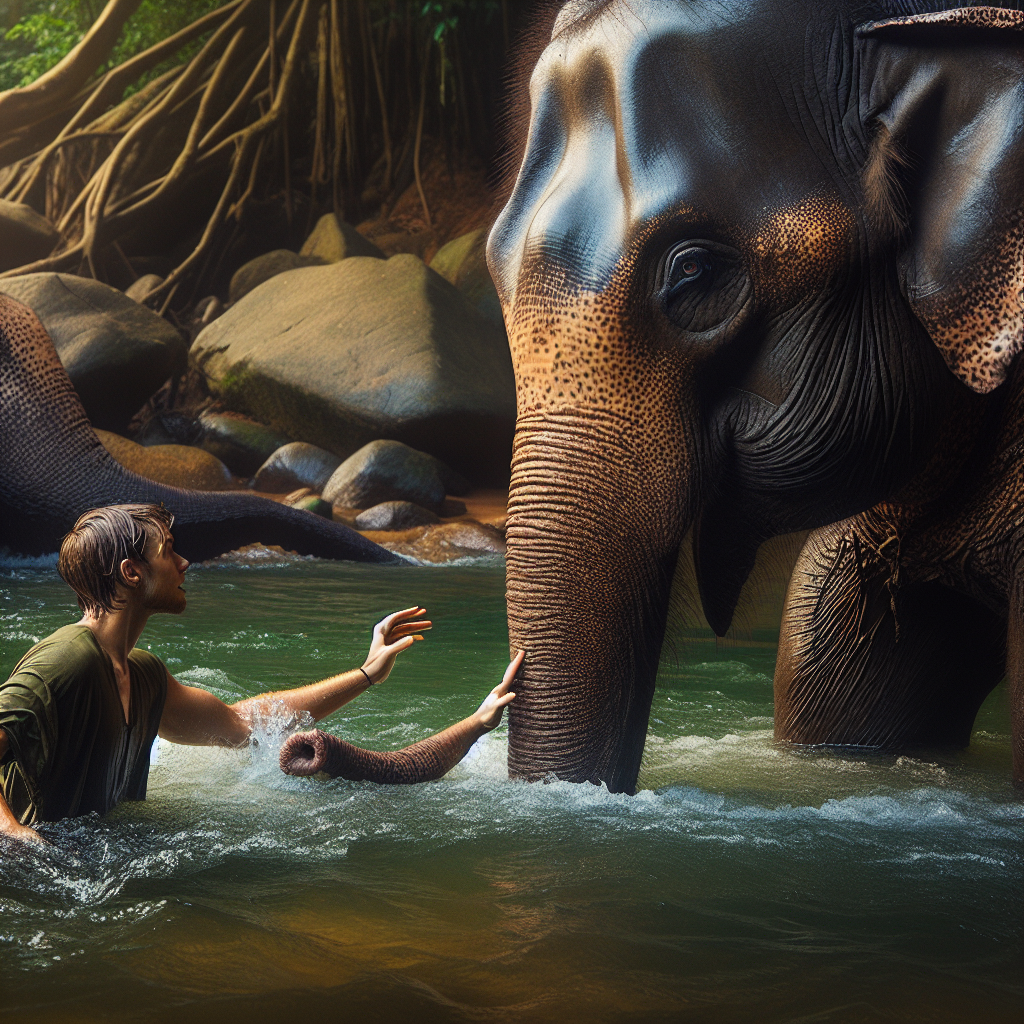
In a heart-wrenching incident, a 22-year-old Spanish tourist, Blanca Ojanguren García, tragically lost her life on January 3, 2025, while participating in an elephant bathing activity on Ko Yao Yai island in Thailand. This incident has ignited a vital conversation about the safety and ethical implications surrounding wildlife tourism, especially in the context of captive elephants.
Blanca, a law and international relations student from the University of Navarra, was enjoying a vacation with her boyfriend when the unthinkable occurred. During a group bathing event, a 50-year-old elephant struck her with its trunk, leading to her untimely death despite immediate medical attention. Such accidents, although rare, underscore the potential dangers inherent in wildlife attractions, prompting both tourists and industry stakeholders to reassess safety protocols.
A Complex Landscape of Elephant Tourism
Thailand is renowned for its elephant tourism, which draws millions of visitors each year. However, the industry has long faced scrutiny from animal welfare advocates concerned about the treatment of elephants in captivity. With approximately 2,800 captive elephants in Thailand, the ethical dimensions of tourism activities involving these majestic creatures invite a deeper reflection on stewardship and compassion—values that resonate with many including the teachings of Jesus, who spoke of caring for all living beings.
Recently, notable countries in Southeast Asia, like Cambodia, have initiated legislative changes banning harmful practices like elephant rides, emphasizing the need for sustainable and compassionate tourism models. This raises awareness about the responsibility not only to protect animals but to foster practices that nurture their health and rights.
The Stressors of Captivity
Experts highlight that the elephant involved in the tragic incident may have been experiencing significant stress, a critical factor in understanding the accident. Elephants are complex creatures, possessing intelligence and emotional depth akin to humans. The stress of captivity—marked by confinement, separation from natural herds, and constant human interaction—can lead to unpredictable behaviors. This notion is echoed in Proverbs 12:10, which teaches, “The righteous care for the needs of their animals, but the kindest acts of the wicked are cruel.”
As we ponder this tragedy, we are reminded of the biblical call to stewardship, urging us to ensure the welfare of all beings God has created, fostering a spirit of care, education, and compassion.
Pursuing Ethical Alternatives
The harsh spotlight on elephant tourism prompts a necessary shift towards ethical alternatives. Advocacy for observation-only experiences, where tourists can admire elephants from a safe distance and support genuine sanctuaries dedicated to rescue and rehabilitation, is growing. These initiatives prioritize animal welfare while still allowing visitors to connect with wildlife in a responsible manner.
By following the guiding principles of fairness and kindness, we can balance tourism and animal welfare. Matthew 7:12 encapsulates this ethos: “So in everything, do to others what you would have them do to you.” This encourages travelers to make deliberate choices that reflect respect for wildlife and their habitats.
Encouraging Traveler Responsibility
As we navigate these themes, it’s crucial for travelers to remain vigilant and prioritize safety in wildlife encounters. Researching facilities, seeking accredited organizations, and adhering to all safety guidelines can significantly reduce risk for both humans and animals alike.
As we reflect on the heartbreaking loss of Blanca Ojanguren García, let this incident awaken a renewed commitment to ethical travel. The situation highlights not only the unpredictability of nature but encapsulates a broader spiritual lesson about humanity’s role as caretakers of creation.
In a world replete with wonder yet fraught with peril, we are called to be stewards—not just for our convenience, but for the well-being of all life. Let us seek to embody love, care, and responsibility in our travels, reminding ourselves that every experience carries the weight of our choices.
Takeaway: May this tragedy remind us of our duty to practice compassion in all our endeavors, reflecting on how our actions can either uplift or harm. As we move forward, let’s embrace a journey not just of exploration, but one of thoughtful and ethical interconnectedness with all of God’s creation.
Explore and dig up answers yourself with our BGodInspired Bible Tools! Be careful – each interaction is like a new treasure hunt… you can get lost for hours 🙂