UK Should Consume More Protein, Says Nutritional Expert
In a bold assertion that challenges current dietary guidelines, Dr. Rupy Aujla, a well-known GP and nutritionist, urges those in the United Kingdom to significantly increase their protein intake. Presently, health guidelines recommend a daily intake of approximately 0.8 grams of protein per kilogram of body weight. Dr. Aujla, however, advocates for an increase of at least 50%, suggesting in some cases that even a doubling of this figure may be necessary for optimal health.
Dr. Aujla, recognized for his appearances on This Morning, BBC’s Morning Live, and Saturday Kitchen, explained that the current guidelines primarily aim to prevent deficiency rather than promote thriving health. "We’ve been suggesting a lower amount to prevent deficiency, rather than an adequate amount to help us thrive," said Dr. Aujla, who runs The Doctor’s Kitchen and authored the book Healthy High Protein. Drawing from personal experience, he recalls struggling with fatigue due to protein deficiency, especially challenging considering his active lifestyle.
But what exactly is protein? Dr. Aujla describes proteins as complex molecules composed of 20 amino acids, playing essential roles in nearly all biological processes. While many associate protein primarily with muscle building, he notes that only 25% of dietary protein contributes to that purpose. The rest supports critical functions such as enzyme production, hormone regulation, and the integrity of cells, hair, and nails.
The potential risks of inadequate protein intake are significant, especially as one ages. Dr. Aujla highlights how insufficient protein can lead to muscle breakdown, fatigue, and even brittle hair and nails. As he emphasizes, "As we get older, we need more protein." Factors such as reduced appetite and digestive efficiency impede adequate protein absorption among older adults, amplifying the need for a higher protein intake.
While it is possible to consume too much protein, Dr. Aujla points out that this would require exceptional motivation, akin to that of a bodybuilder. Instead, he emphasizes that variety in protein sources—favoring lean meats and plant-based options—supports optimal health. These sources not only fulfill protein needs but also offer additional health benefits.
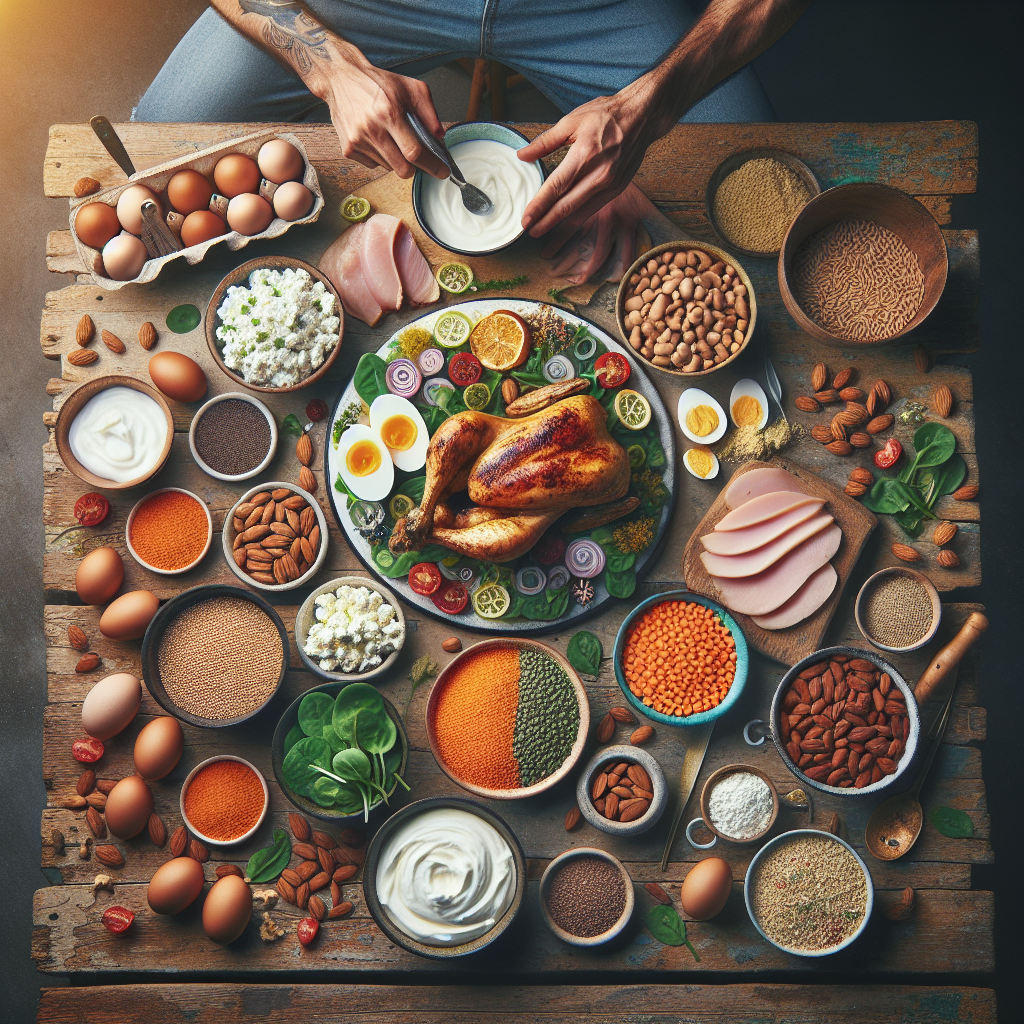
Incorporating a variety of proteins can prove beneficial. For instance, adding nuts and seeds to one’s diet can yield significant protein gains, with peanuts providing about 10 grams per handful. Incorporating whole ingredients into meals and snacks enhances nutritional value and supports overall health.
As we consider Dr. Aujla’s insights, one can’t help but reflect on the biblical principle found in 1 Corinthians 6:19-20: "Do you not know that your bodies are temples of the Holy Spirit, who is in you, whom you have received from God? You are not your own; you were bought at a price. Therefore honor God with your bodies." This scripture encourages us to care for ourselves holistically, acknowledging the importance of maintaining physical health as a means of honoring the Creator.
In light of these considerations, readers are invited to reflect on how nourishing their bodies with the right amount of protein can contribute to overall well-being. This journey toward better health is not just physical; it invites a deeper appreciation of the divine design of our bodies. By making mindful choices, we honor not only ourselves but also the gift of life given to us.
Let this be an encouraging takeaway: how can you adjust your dietary habits to better nurture your body, aligning with the principle of stewardship that resonates within both biblical teachings and modern nutritional wisdom?
Explore and dig up answers yourself with our BGodInspired Bible Tools! Be careful – each interaction is like a new treasure hunt… you can get lost for hours 🙂