 0
0
 0
0
Title: Rethinking Your Workout: Common Exercises That Might Be Hurting More than Helping
In today’s fitness culture, the mantra that "exercise is good for you" is often taken at face value. However, experts are now warning that some of the most beloved gym moves may actually be doing more harm than good. This claim prompts an important reconsideration of popular workout routines among both seasoned athletes and newcomers alike.
Dalton Wong, a performance coach based at the Nexus Club in London, highlights the potential dangers of trendy exercises. “There are a lot of moves that have become super-fashionable, but which aren’t really appropriate or relevant for most people,” he explains. Wong emphasizes that improper execution or overuse of certain fitness moves can lead to chronic pain, injury, and muscle or nerve problems. As such, it’s essential to evaluate our workout choices critically.
The Most Common Culprits
Kettlebell Swings
One of the most common exercises under scrutiny is the kettlebell swing. Wong cautions that many individuals lack the necessary strength and flexibility, making them prone to injury. Instead of swinging toward injury, experts recommend deadlifts, a safer alternative that focuses on similar muscle groups without compromising form.
Neck Circles
Neck rotations are another favored move—but experts like Jo Tuffrey warn they can actually worsen tension. Instead, isolated stretching techniques can provide relief and improve stability in a safer way.
Sit-Ups
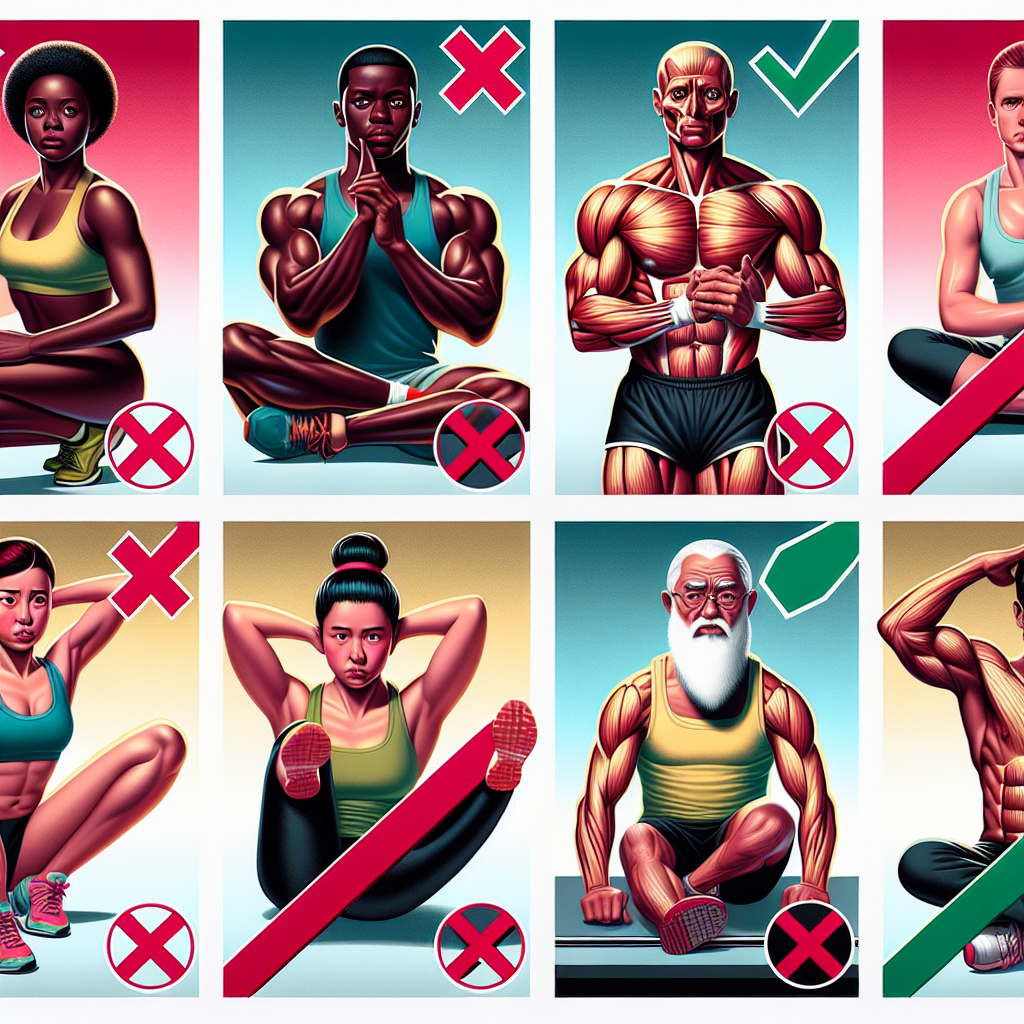
Once heralded as the go-to core workout, sit-ups have seen their reputation plummet. The British Army removed them from fitness tests, citing research showing the damage repetitive flexion can inflict on the spine. Dead bugs, a more comprehensive alternative, enhance core strength while protecting the back.
Burpees
Despite their popularity, burpees are being called into question for the injury risks they pose—especially for those lacking shoulder stability. Mountain climbers are suggested as a safer, yet equally effective, cardio alternative.
Plank Challenges
Holding planks for extended periods could also strain the lower back, as noted by physiotherapist Sammy Margo. Embracing a more dynamic approach to core workouts, including shorter-held planks or bird-dog exercises, promotes better body alignment and reduces injury risk.
Mindfulness in Movement
The call to re-evaluate our workout routines aligns deeply with biblical principles of care and stewardship over our bodies. As mentioned in 1 Corinthians 6:19-20 (NIV): "Do you not know that your bodies are temples of the Holy Spirit, who is in you, whom you have received from God? You are not your own; you were bought at a price. Therefore honor God with your bodies."
This scripture invites us to not only engage physically but to do so mindfully, ensuring that our practices promote our holistic well-being rather than detract from it. By focusing on safe, effective movements, we honor the bodies we’ve been entrusted with, reflecting a commitment to both physical health and spiritual stewardship.
Encouraging Takeaway
As you contemplate your fitness regimen this week, consider how you can approach exercise with both intention and mindfulness. In fitness, as in life, the journeys we take should align with our values and well-being. By embracing safe and effective alternatives, we honor ourselves and the principles that guide us. Remember, as you pursue strength and wellness, reflect on how each movement can serve not only your physical health but also your spiritual journey.
As you reflect, ask yourself: "Am I caring for my body in a way that truly reflects its worth?" This introspection can pave the way for a more rewarding and balanced approach to fitness.
Explore and dig up answers yourself with our BGodInspired Bible Tools! Be careful – each interaction is like a new treasure hunt… you can get lost for hours 🙂