Understanding Sundowning in Dementia: A Guide for Caregivers
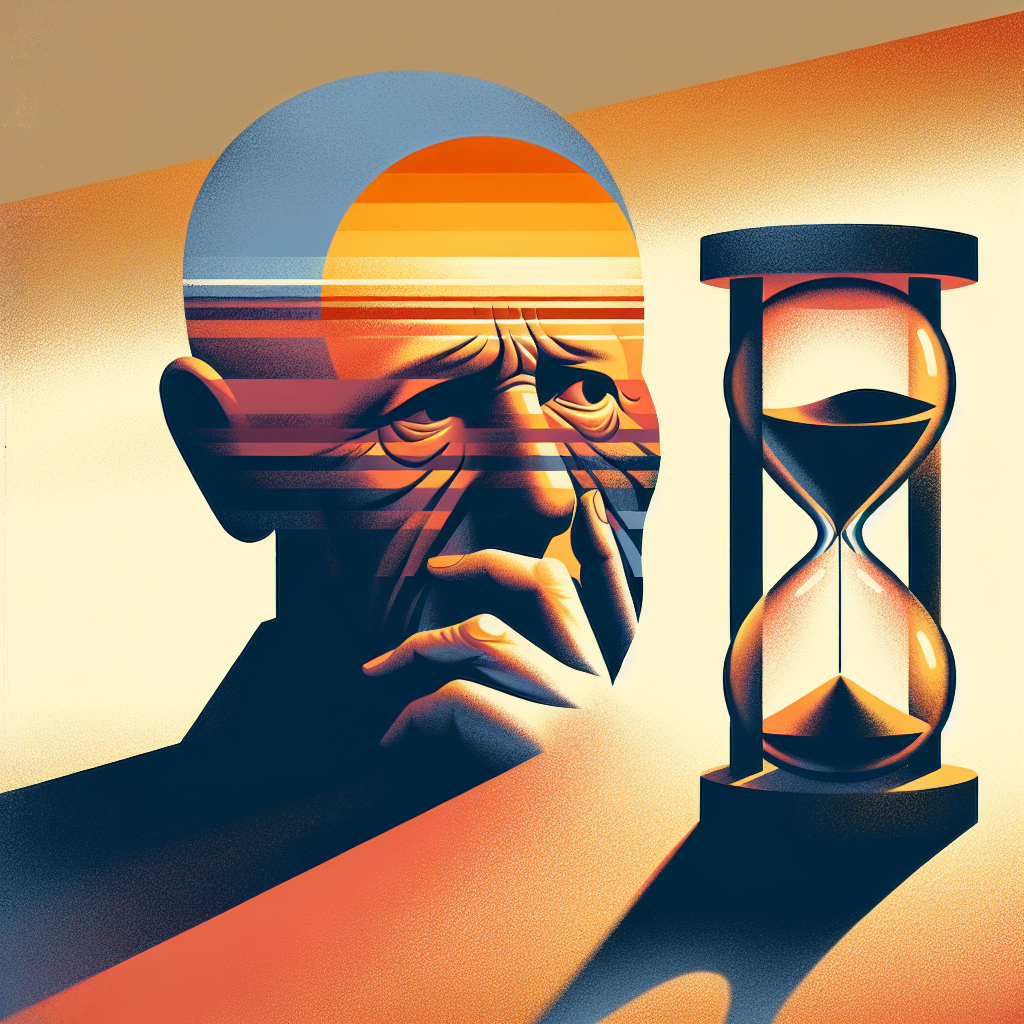
As the sun dips below the horizon, a troubling phenomenon often unfolds for those caring for individuals with dementia. Known as sundowning, this condition causes intensified confusion and disorientation during late afternoon and evening hours. Neuropsychologist April Krowel describes it as “a constellation of symptoms rooted in confusion and disorientation.” Research shows that approximately 1 in 5 people with dementia experience these unsettling episodes, which may last from a few minutes to several hours, particularly peaking in the middle stages of dementia.
Dr. Victor Diaz from Orlando Health Neuroscience Institute emphasizes that while caregivers may notice the symptoms more readily than those experiencing them, the distress felt by the individual can be profound. They may not recognize their environment, feel disoriented, or experience heightened anxiety, which can lead to restlessness and difficulties with sleep.
Why Sundowning Occurs
Understanding why sundowning occurs is crucial for caregivers. Although the exact cause remains elusive, disrupted circadian rhythms—the body’s internal clock—are believed to play a role. This disruption can lead to increased activity during evening hours when the individual is naturally wired to be winding down. Factors such as poor sleep, lack of exposure to sunlight, and unaddressed pain or stress can exacerbate symptoms, emphasizing the need for careful management of a loved one’s environment and routine.
“As we get older, simple changes in routine can cause disorientation,” warns Diaz. Establishing a consistent daily schedule, minimizing changes in the living space, and ensuring that basic needs are met can significantly reduce the occurrence of sundowning episodes. Moreover, maintaining clear, well-lit spaces can help alleviate confusion.
Signs of Sundowning
Common signs include disorientation, agitation, irritability, and even nighttime wandering. It’s essential for caregivers to distinguish between sundowning and delirium, as the latter could indicate a critical medical condition requiring immediate intervention. Sundowning typically emerges at specific times—often around sunset—whereas delirium can arise unexpectedly at any time of day.
An important scriptural principle echoes in this context: “Bear one another’s burdens, and so fulfill the law of Christ” (Galatians 6:2, ESV). Caring for a loved one with dementia is a profound act of love, emphasizing the importance of patience, understanding, and companionship during challenging times.
Managing Sundowning
To manage symptoms effectively, caregivers can employ various strategies:
- Routine: Maintain a consistent daily schedule to help ground individuals in their environment.
- Environment: Optimize lighting in the home and keep the atmosphere calm, especially during late afternoons.
- Social Interaction: Engage the individual in comforting conversations and activities rather than isolating them, which can heighten fear and confusion.
- Medical Review: Consult with healthcare professionals about medication and its timing to avoid exacerbating sundowning symptoms.
- Comfort: Provide familiar objects or reminders of home to create a sense of security.
As caregivers navigate these challenges, they may find comfort in the biblical reminder that we are called to love one another and care for each other with grace and compassion.
Conclusion
Caring for someone experiencing sundowning can be overwhelming, yet it presents an opportunity to model the kindness and empathy taught by Jesus. By cultivating patience and understanding, caregivers embody the spirit of love that the Bible encourages. Reflecting on this journey, consider how embracing these principles not only aids your loved one but also enriches your own spirit.
In the face of difficulty, let us remember: love and compassion can illuminate the darkest moments.
Explore and dig up answers yourself with our BGodInspired App. Be careful – each interaction is like a new treasure hunt… you can get lost for hours 🙂