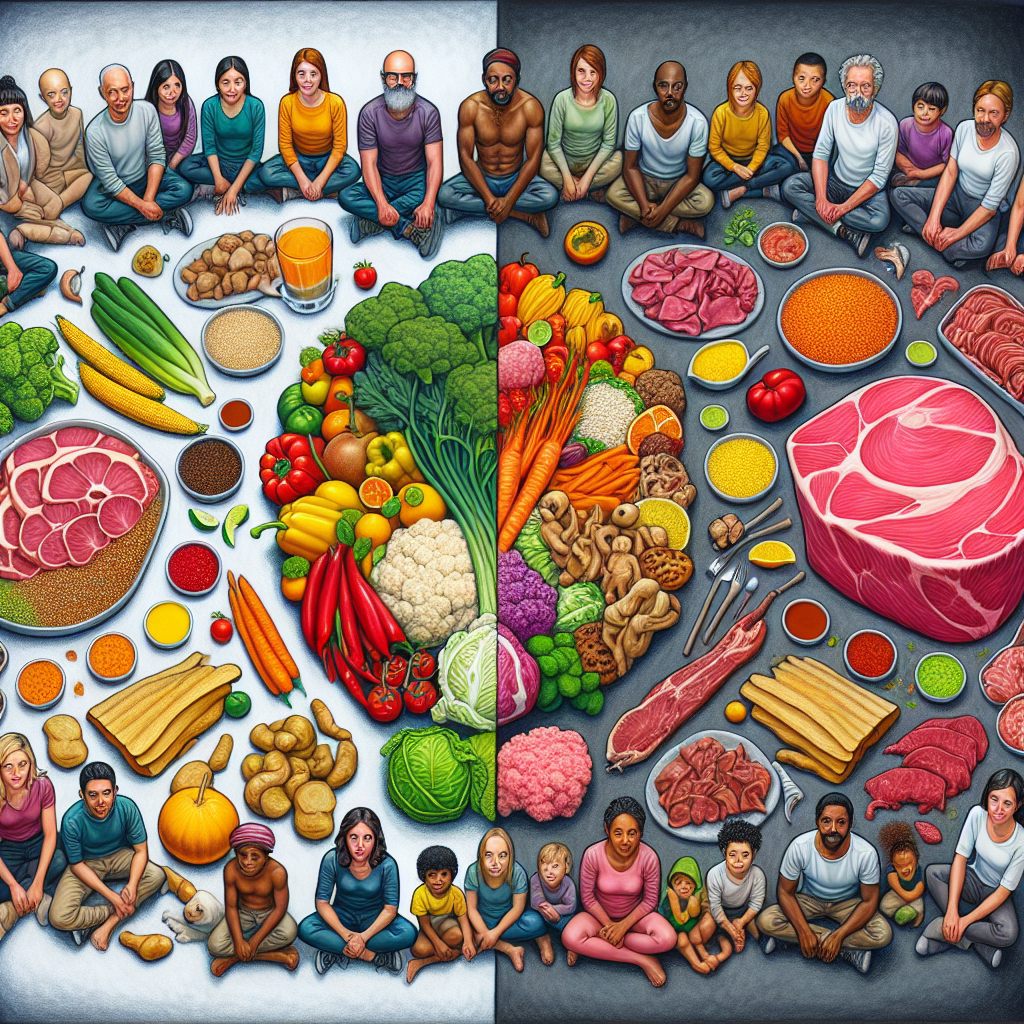
New Study Reveals Plant-Based Diets May Lead to Increased Consumption of Ultra-Processed Foods
In a striking revelation for the growing number of people embracing plant-based diets for health, environmental, or ethical reasons, a new study has unveiled a potential pitfall: the increased consumption of ultra-processed foods. As more individuals choose vegetarianism or veganism, this study prompts a crucial examination of how dietary choices can sometimes lead to unintended consequences.
Researchers analyzing nearly 200,000 participants in the UK Biobank project have found that vegetarians tend to consume about 1.3 percentage points more ultra-processed foods compared to their red meat-eating counterparts. Meanwhile, vegans also showed a slight increase in ultra-processed food consumption by 1.2 percentage points, although the difference was not statistically significant. This correlation raises important questions about the types of foods that make up plant-based diets, particularly in industrialized nations.
The findings summarize that “higher UPF [ultra-processed food] consumption in vegetarian diets and lower in diets with a modest amount of meat or fish” could have health implications. With many opting for meat substitutes and ready-made convenience foods in their pursuit of healthier eating, the desire to avoid meat can sometimes lead to a reliance on products high in calories, sugar, salt, and various additives. This shift raises an alarming concern: a diet rich in ultra-processed foods might be detrimental to overall health.
Navigating Complex Food Choices
Though plant-based diets are often praised for their health benefits—including reducing the risk of chronic diseases—this study underscores the importance of mindful consumption. Scientifically-backed evidence links a high intake of ultra-processed foods, irrespective of whether they are plant-based or not, to adverse health outcomes. The challenge lies in distinguishing between nutritious whole foods and heavily processed options that may undermine health efforts.
To further complicate matters, the classification of “ultra-processed foods” remains a subject of debate among experts. The widely accepted NOVA system defines these foods as industrial formulations largely made from substances extracted from foods or synthesized in laboratories. Common examples include frozen pizzas, instant noodles, and sugary cereals—foods that may appeal to those seeking convenience but often fall short nutritionally.
This nuanced discussion invites us to reflect not just on dietary choices but also on a broader principle observed in biblical teachings: the importance of stewardship over what we consume. In Mark 7:18-19, Jesus emphasizes that it’s not what goes into a person that defiles them, but rather what comes out from the heart. This suggests that the quality of our choices—both in food and in life—reflects our inner values and commitments.
A Call for Mindfulness in Dietary Choices
As we grapple with these findings, it’s beneficial to remember that embracing a plant-based diet does not necessitate forsaking the need for whole, minimally processed foods. Engaging with fresh fruits, vegetables, and grains can harmonize with our values of caring for our bodies—widely regarded as temples of the Holy Spirit (1 Corinthians 6:19-20).
The study encourages policymakers to not only promote plant-based diets but also to guide consumers toward more wholesome food choices. Ultimately, being conscientious about our eating habits can reflect our commitment to health and well-being, serving as a manifestation of our faith and values.
An Encouraging Takeaway
As we consider our dietary choices, let’s remember the importance of balance and the intent behind our decisions. Strive for nourishment that uplifts and sustains—both physically and spiritually. In doing so, let us seek to align our choices with the principles of love, gratitude, and responsibility taught by Jesus. May we find joy in nourishing our bodies with the abundance of God’s creation while being mindful of the impact our choices have on our health and the world around us.
Reflect on this: How can you approach your dietary decisions as an act of stewardship, nurturing not just your body, but also your spirit?
Explore and dig up answers yourself with our BGodInspired Bible Tools! Be careful – each interaction is like a new treasure hunt… you can get lost for hours 🙂