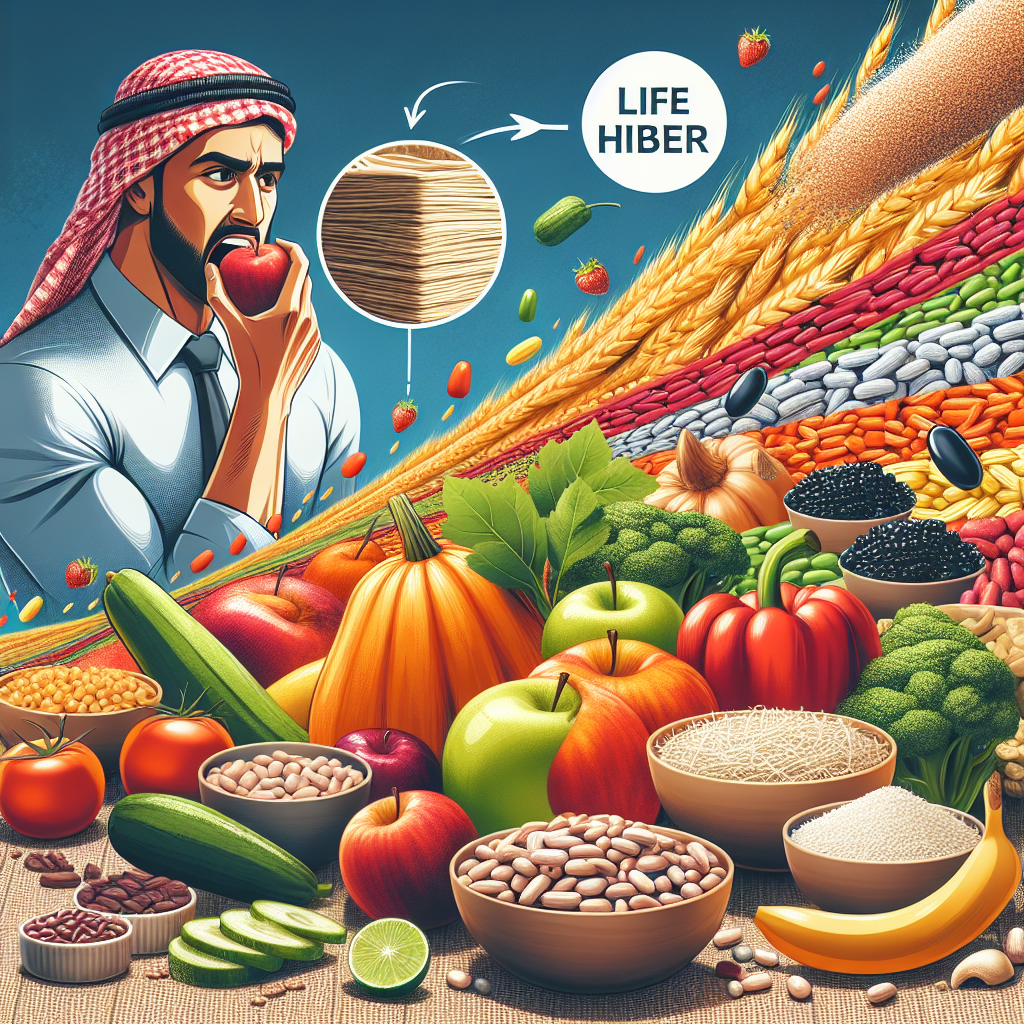
The Fiber Crisis: A Path to Health Rooted in Nutrition and Wisdom
In a world increasingly concerned about diet-related health issues, a surprising statistic emerges: the leading risk factor isn’t ultra-processed foods or excessive sugar and salt. A systematic analysis conducted in 2022 found that the low intake of wholegrains is the primary culprit behind poor dietary health. Wholegrains, rich in B vitamins, folic acid, antioxidants, and, importantly, fiber, are crucial for our wellbeing. Yet, many countries are falling short of recommended fiber intake, with the UK average resting at a mere 19 grams daily—well below the advised 30 grams.
Dr. Samantha Gill, a gastroenterology dietitian, describes fiber as the "forgotten nutrient," often overlooked due to misconceptions about its taste and effects on digestion. With just 3% of Canadians, 5% of Americans, and 9% of Brits falling within the recommended daily fiber intake, experts warn of a significant “fibre gap.”
Indeed, fiber’s impact on health extends beyond the digestive system. Research indicates that increasing fiber intake can reduce the risk of heart disease, stroke, type 2 diabetes, and even colon cancer by up to 24%. Bridget Benelam from the British Nutrition Foundation highlights that despite improved awareness, fiber consumption has hardly changed over the past decade. This stagnation presents an opportunity for individuals to enhance their health by prioritizing fiber-rich foods.
In a biblical context, the discipline of caring for our bodies can be seen as a reflection of our stewardship over the gifts given to us. In 1 Corinthians 6:19-20 (NIV), it is written, “Do you not know that your bodies are temples of the Holy Spirit, who is in you, whom you have received from God? You are not your own; you were bought at a price. Therefore honor God with your bodies.” This verse serves as a reminder of the importance of nurturing our physical health as part of our spiritual and communal responsibility.
As we consider what it means to honor our bodies, embracing dietary practices that include more wholegrains, fruits, and vegetables provides not only physical benefits but also strengthens our mental resilience and encourages a wholesome lifestyle. The Danish Whole Grain Partnership, for instance, has seen a remarkable increase in wholegrain consumption thanks to public initiatives, demonstrating the power of community action in public health.
While the modern diet often leans heavily on processed foods saturated with salt, sugar, and fat, there is great potential for improvement. Simple actions, such as gradually increasing fiber intake—adding beans to meals or choosing wholegrain bread over white—can significantly enhance health without feeling overwhelming.
As we strive for balance in our diets, let us also reflect on the broader spiritual implications of our food choices. Just as Jesus communicated profound truths through simple acts, such as the breaking of bread, our dietary habits can also speak to our commitment to health and well-being.
In this busy life, it’s vital to remember that nourishing our bodies with high-fiber foods serves a dual purpose: it cultivates our physical health and aligns us more closely with our purpose as stewards of God’s creation. So how can you start your journey toward better fiber consumption today?
As an encouraging takeaway, consider this: “Every 7g daily increase in fiber can lower your risk of noncommunicable diseases by up to 9%." Let this serve as a powerful reminder that small, intentional choices in our diets can lead to substantial health improvements. Take a moment to reflect on how you might incorporate more wholesome, fiber-rich foods into your meals—it may just be a path to not only better health but also a deeper, spirit-filled life.
Explore and dig up answers yourself with our BGodInspired Bible Tools! Be careful – each interaction is like a new treasure hunt… you can get lost for hours 🙂