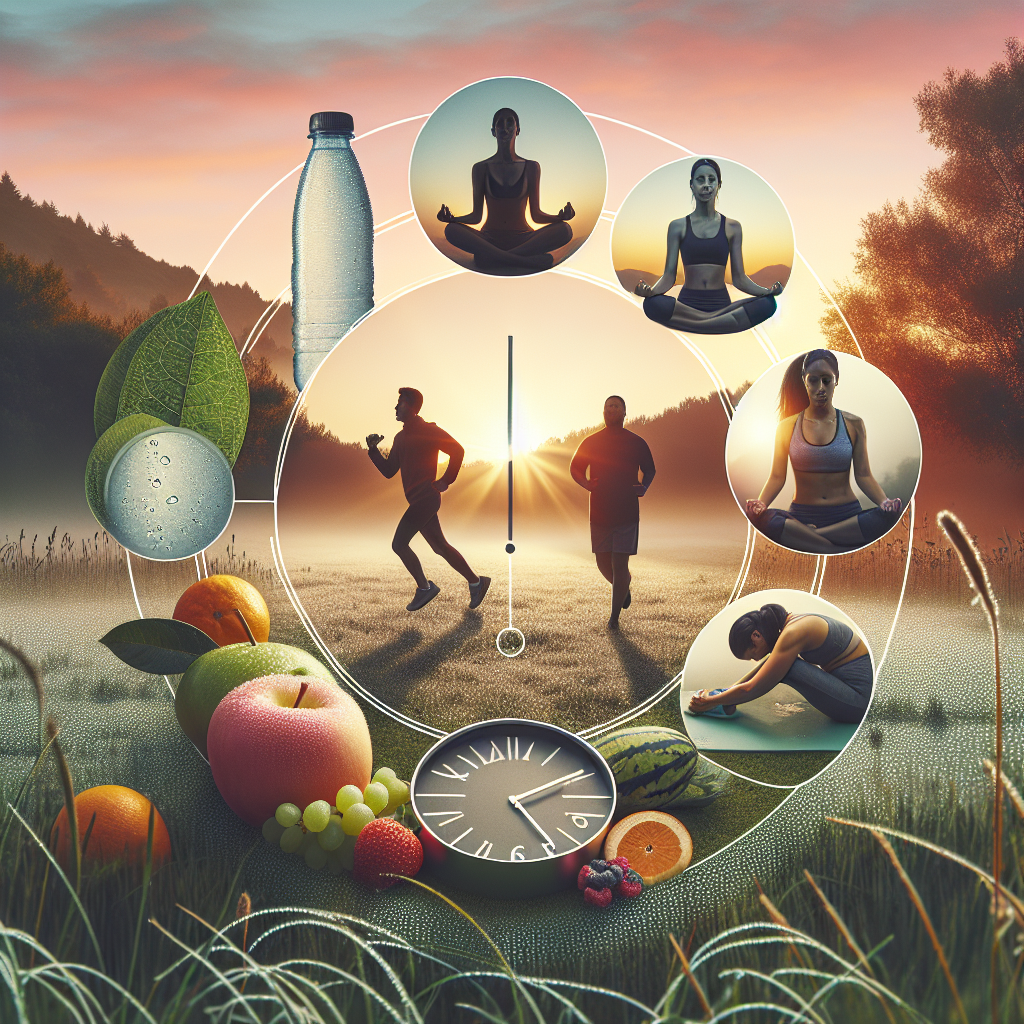
Walking After Meals: The Surprising Link to Blood Sugar Control
Recent research reveals a striking finding: just two minutes of walking after meals can significantly impact blood sugar levels. This notion, while seemingly simple, opens up a greater conversation about how our daily choices—including exercise—interact with our health. As scientists continue to investigate the optimal times and types of exercise beneficial for regulating blood sugar levels, one thing is clear: incorporating physical activity into our routine is essential.
Blood sugar levels fluctuate throughout the day, and managing these shifts is crucial for overall health. Insulin resistance, a condition often linked to type 2 diabetes, occurs when the body struggles to effectively regulate blood sugar, resulting in glucose lingering in the bloodstream. Thankfully, regular physical activity helps draw glucose into muscle cells, enhancing insulin sensitivity and maintaining healthy blood sugar levels.
Timing Matters: Afternoon and Evening Workouts Excel
Interestingly, the timing of exercise plays a vital role in blood sugar management. Studies indicate that exercising in the afternoon and evening can yield greater benefits compared to morning workouts. One research project published in Diabetologia found that participants who exercised in the afternoon reduced their insulin resistance by 18%, while evening workouts resulted in an impressive 25% decrease. Although morning activity is still advantageous, finding a consistent routine that suits your lifestyle is key to reaping health benefits.
The Centers for Disease Control and Prevention (CDC) recommends that adults aim for 150 to 300 minutes of moderate-intensity or 75 to 150 minutes of vigorous-intensity exercise weekly. However, even small increments of activity can foster improvements in blood sugar levels, reminding us that every step counts.
Types of Exercise to Enhance Blood Sugar Control
Incorporating a variety of physical activities can bolster blood sugar regulation. Aerobic exercises, such as walking and cycling, are excellent for cardiovascular health. Strength training enhances muscle mass, effectively increasing glucose uptake by cells. Additionally, yoga and stretching can reduce stress, balancing cortisol levels and supporting healthy blood sugar.
This principle of caring for our bodies resonates with biblical teachings. In 1 Corinthians 6:19-20, we are reminded, "Do you not know that your bodies are temples of the Holy Spirit, who is in you, whom you have received from God? You are not your own; you were bought at a price. Therefore honor God with your bodies." By responding to this call through lifestyle choices that promote health, we not only enhance our physical well-being but also honor the sacredness of our bodies.
Encouragement to Reflect on the Broader Lesson
While the insights on blood sugar and exercise are noteworthy, they also serve as a metaphor for our spiritual journey. Just as regular physical activity can help us maintain balance and health, cultivating habits like prayer, meditation, and community support can nourish our spiritual well-being. As we consider the importance of each moment and our choices’ impact on our overall health, may we be encouraged to approach our lives holistically, aligning our physical, mental, and spiritual practices.
So, take a moment to reflect: How are you honoring your body and spirit each day? Whether you find joy in a morning yoga class or a refreshing evening walk, let your choices remind you of the deeper spiritual connection we experience through the stewardship of our health. Each step—literal or metaphorical—can lead to a more fulfilling life, both physically and spiritually.
In every effort, let us pursue a balance that acknowledges our body’s needs and reflects our commitment to honoring God through our lifestyle choices.
Explore and dig up answers yourself with our BGodInspired Bible Tools! Be careful – each interaction is like a new treasure hunt… you can get lost for hours 🙂