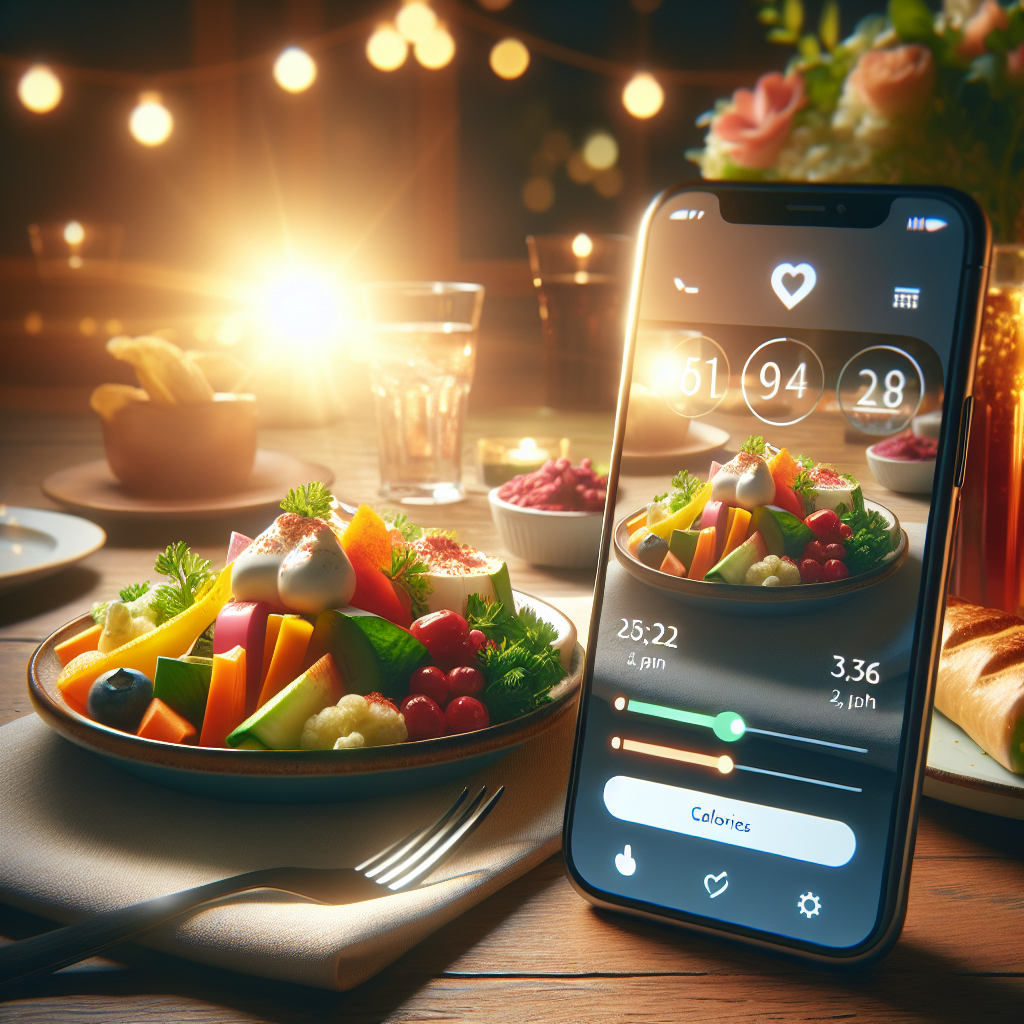
The Rise of Cal AI: A New Era in Calorie Counting or Just Another Tech Fad?
In a world where food photography has become ubiquitous, a new app aims to elevate our relationship with meals—both visually and nutritionally. Cal AI, developed by two ambitious teenagers from New York, has gained rapid popularity as it offers users a way to track their calorie intake simply by snapping a photo of their food. Yet, as this technology surges in popularity, it raises questions about the implications of such innovations on our health and well-being.
Cal AI promises to calculate not only the calories in our meals but also their protein, carbohydrate, and fat content—all through the lens of artificial intelligence. By analyzing textures, shapes, and colors in food, the app claims to deliver nutritional insights in mere seconds. However, initial testing has revealed discrepancies between the app’s estimations and actual nutritional values. For example, when photographing a hearty plate of rigatoni, the app accurately identified ten visible pieces but failed to account for the total meal’s true caloric content.
Tech Innovation Meets Nutritional Reality
The intersection of technology and nutrition has led to other companies like Zoe developing similar tools focused on dietary assessment. Yet many nutritionists express skepticism; they caution that a sole focus on calories might not provide a comprehensive picture of our dietary health. Health expert Stephanie Moore emphasizes that not all calories are created equal, echoing the biblical principle that "man shall not live by bread alone" (Matthew 4:4). This scripture reminds us that while our physical needs are important, our spiritual nourishment plays an essential role in our overall well-being.
Cal AI founders Zach Yadegari and Henry Langmack acknowledge that the app isn’t perfect but believe it addresses a pressing need. They say that while their model is still learning, its rapid growth reflects a strong demand for quick, accessible nutritional data. Yet, the simplistic nature of calorie counting might induce anxiety rather than empowerment.
A Call for Balance and Perspective
As the app caters to a society deeply interested in dietary optimization, it is crucial to approach such technologies with caution. A focus solely on numerical data can overshadow the richer and more complex aspects of food, such as community, enjoyment, and nourishment. As Christians, we are reminded of the importance of treating our bodies as temples (1 Corinthians 6:19-20)—which encompasses more than just caloric intake; it involves holistic care for our mental, emotional, and spiritual health.
Despite its limitations, Cal AI represents a significant step in the evolving landscape of food technology. However, whether it enhances or complicates our relationship with food and health remains to be seen. As Yadegari pointed out, the goal is to create a tool that is beneficial without fostering obsession.
Reflecting on Our Journey
In navigating technological advancements in nutrition, one must consider the broader spiritual implications. We are called to steward our health responsibly while fostering a spirit of gratitude and balance. The biblical encouragement to “seek first the kingdom of God” (Matthew 6:33) challenges us to prioritize our spiritual well-being over mere physical metrics.
In summary, consider how technology serves you and whether it enriches or diminishes your overall quality of life. Reflect on the lessons embedded in your daily meals; they can serve as reminders of abundance, community, and divine provision. As we strive to honor our bodies and the gifts of nourishment, let us do so with a heart aligned with purpose and gratitude.
Explore and dig up answers yourself with our BGodInspired Bible Tools! Be careful – each interaction is like a new treasure hunt… you can get lost for hours 🙂