 0
0
 0
0
Sitting for Hours? The Hidden Health Risks You Need to Know
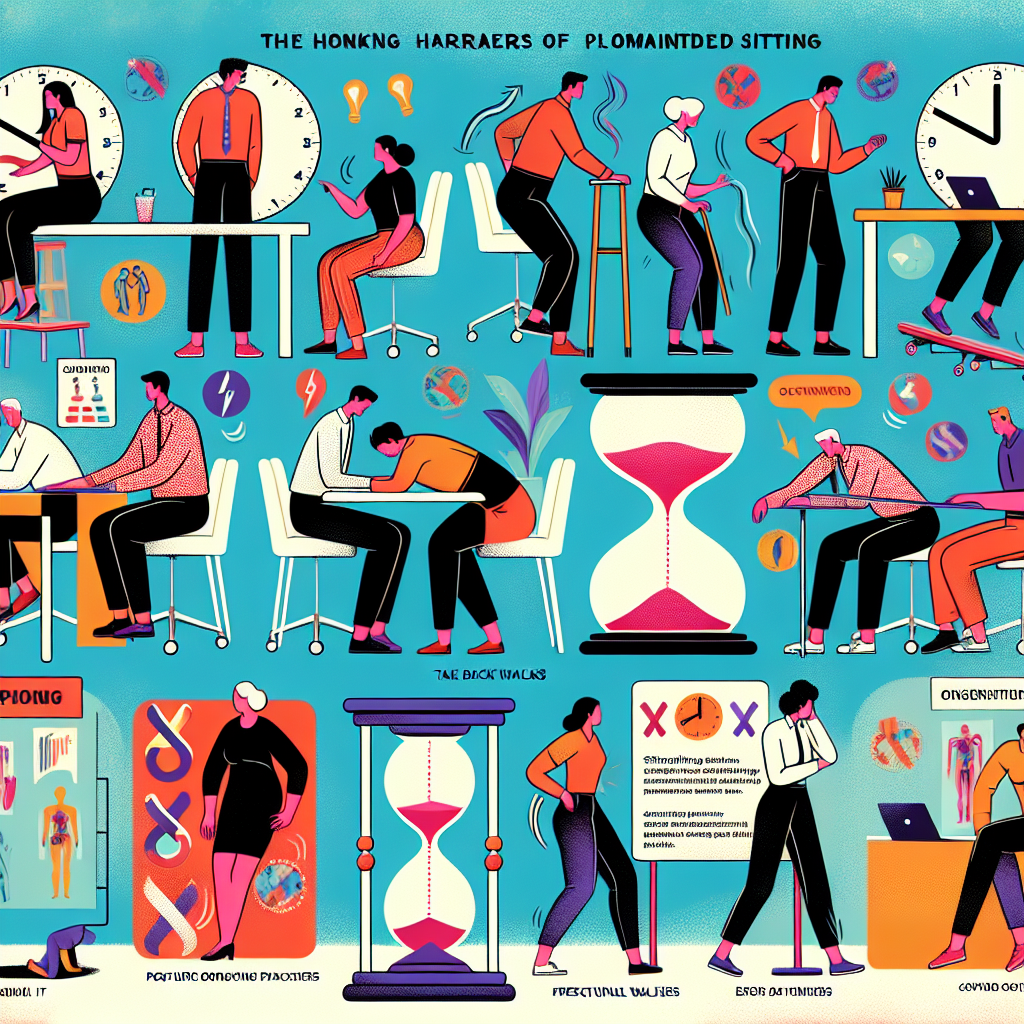
In our fast-paced, desk-driven lives, many struggle with a shocking reality: dedicating eight hours or more to sitting every day may do more harm than we realize. While hitting the gym afterwards seems to be the remedy, experts warn that even regular exercise can’t wholly undo the adverse effects of prolonged sitting.
The Dangers of Prolonged Sitting
According to research, metabolic disruptions can begin just thirty minutes after sitting. Blood flow slows, muscle responsiveness to insulin drops, and glucose uptake diminishes—setting the stage for severe health repercussions, including type 2 diabetes and heart disease.
Dr. Mark Hyman, a functional medicine expert, highlighted various consequences of excessive sedentary behavior, such as increased insulin resistance and poor circulation. As Dr. Hyman succinctly put it, “When you sit for prolonged periods, it leads to changes in your body that increase cardiometabolic risk factors.”
Moving beyond the physical realm, this egregious sitting habit invites deeper reflection. The Bible reminds us of stewardship over our bodies in 1 Corinthians 6:19-20, stating, "Do you not know that your bodies are temples of the Holy Spirit, who is in you, whom you have received from God? You are not your own; you were bought at a price. Therefore honor God with your bodies." This scripture underscores the importance of caring for our physical health as a form of spiritual devotion.
Breaking the Cycle
So, how can we navigate this sedentary lifestyle? Studies suggest interrupting long bouts of sitting every 15 to 30 minutes significantly reduces the risks associated with prolonged inactivity. Simple changes can make a profound difference: use a standing desk, engage in walking meetings, or even take short bursts of activity throughout the day.
Millennials, for instance, are reportedly spending more than 60 hours a week sitting, which may raise their heart disease risk and trigger early aging signs. The research advocates for a proactive approach to decrease sedentary hours—whether through traditional exercise or mindful movement during daily routines.
Practical Tips for Movement
- Set Reminders: Use apps or alarms to encourage standing or taking short walks every 30 minutes.
- Walking Meetings: Swap desks for a stroll while discussing ideas.
- Bodyweight Exercises: Quick sets of squats or lunges during breaks.
- Walk During Calls: Turn phone time into active time.
As we reflect on our daily routines, it’s essential to remember that even small changes can lead to significant health benefits—and serve as a way to honor our bodies in a spiritual context.
An Encouraging Takeaway
Taking the time to integrate movement into our daily lives is not just about physical health; it resonates with the biblical principle of stewardship. Choosing to enhance our well-being reflects a commitment not only to ourselves but also to the community and faith we embody.
Let’s heed the call to care for our temples, breaking away from the confines of our desks—not only fostering health but also nurturing our spirits. Remember, “So whether you eat or drink or whatever you do, do it all for the glory of God” (1 Corinthians 10:31).
Reflect on this: How can you incorporate movement into your routine, and in doing so, nurture both your body and spirit? The small actions you take today can resonate deeply in your health journey and spiritual life.
Explore and dig up answers yourself with our BGodInspired App. Be careful – each interaction is like a new treasure hunt… you can get lost for hours 🙂