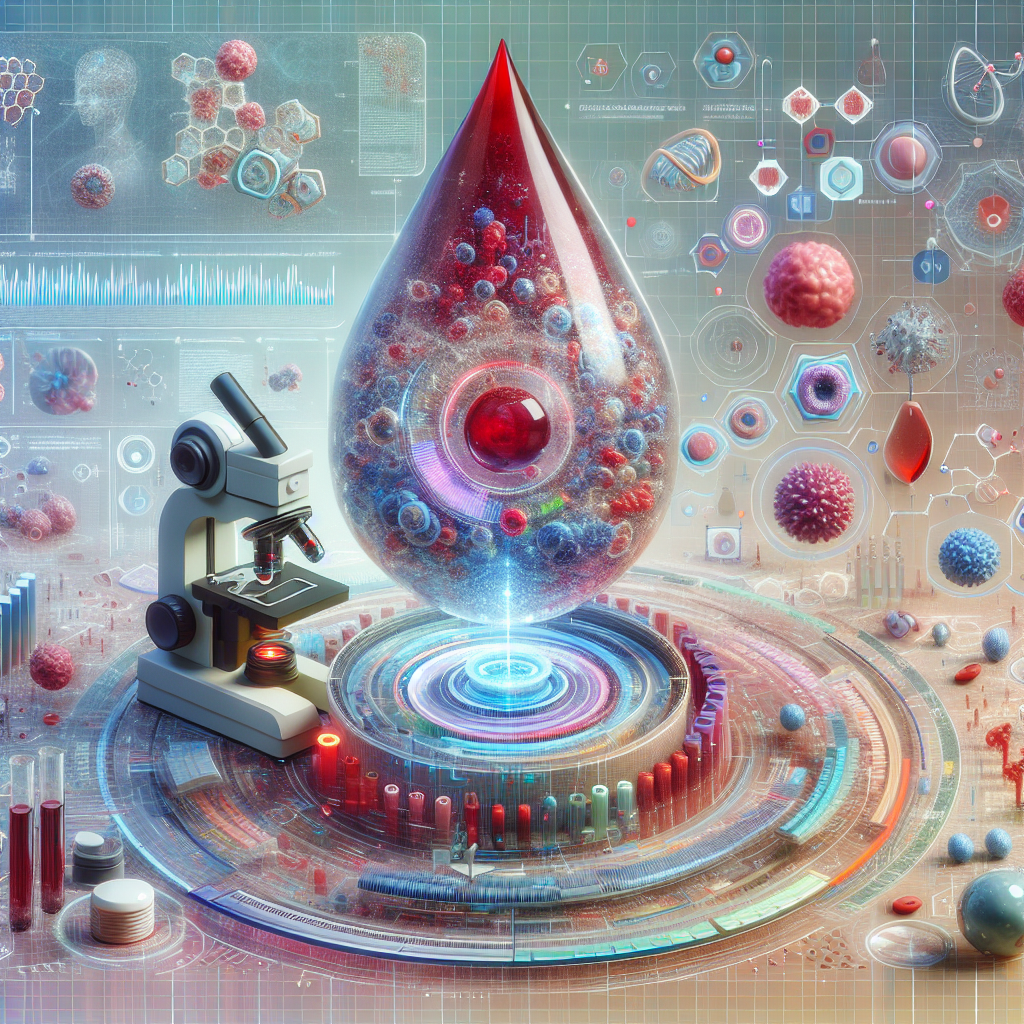
New Breakthrough in Early Cancer Detection: The Promise of Blood Tests
Some cancers progress silently, eluding detection for years and advancing without any noticeable symptoms. However, groundbreaking research is now shedding light on methods to identify these hidden threats well before they manifest physically. Recent studies have highlighted the potential of a novel laboratory test that detects fragments of circulating tumor DNA, which could change the landscape of cancer diagnosis and treatment.
Led by Yuxuan Wang, an assistant professor of oncology at the Johns Hopkins University School of Medicine, this investigation analyzed blood samples from individuals without visible signs of disease. Remarkably, specific tumor-related markers were found in their blood long before a formal diagnosis of cancer. “Three years earlier provides time for intervention,” Wang noted, emphasizing that earlier detection could significantly improve treatment outcomes.
The researchers utilized sophisticated techniques to identify DNA changes associated with tumor development. This innovative approach not only enhances the accuracy of diagnosis but also paves the way for more personalized medical interventions. Utilizing blood samples from the long-term Atherosclerosis Risk in Communities (ARIC) study, the findings underscore the importance of studying real-world cases rather than controlled lab conditions.
The potential implications of this research are vast. Traditional tests typically identify cancer once symptoms are overt, but the new blood-based detection method could allow healthcare providers to initiate treatment much earlier. “This study shows the promise of multi-cancer early detection (MCED) tests and sets the benchmarks for their success,” says Bert Vogelstein, co-director of the Ludwig Center at Johns Hopkins.
In a world where proactive healthcare is often overshadowed by reactive measures, this research opens a discussion about the value of regular health screenings—even when one feels healthy. Regular blood tests, much like checking blood pressure or cholesterol, could become a routine part of annual physicals, assisting in the early identification of not just cancer, but other chronic diseases.
This mirrors a biblical principle reflected in Proverbs 27:23: “Be diligent to know the state of your flocks, and attend to your herds.” This verse guides us toward the importance of vigilance and care in our health, underscoring the value of awareness and prevention.
As researchers refine these exciting methods, challenges remain—such as ensuring accuracy to minimize false positives. Yet, the enthusiasm surrounding this advancement reminds us that progress in science can mirror the hope found in faith. Just as one can seek spiritual healing, so too can we pursue physical health with diligence and care.
As we contemplate these breakthroughs, let us reflect on the broader spiritual lesson: being proactive in caring for ourselves is in alignment with nurturing our God-given lives. Embracing a lifestyle that prioritizes health not only honors His creation but encourages us to live fuller, more vibrant lives.
In conclusion, this pioneering research holds the promise of transforming cancer detection, potentially saving countless lives. May this serve as a reminder to prioritize our health and well-being, empowering ourselves to engage more fully in the world around us.
Explore and dig up answers yourself with our BGodInspired Bible Tools! Be careful – each interaction is like a new treasure hunt… you can get lost for hours 🙂