 0
0
 0
0
Title: NHS Faces Disruption as Doctors Strike Amidst Rising Flu Cases
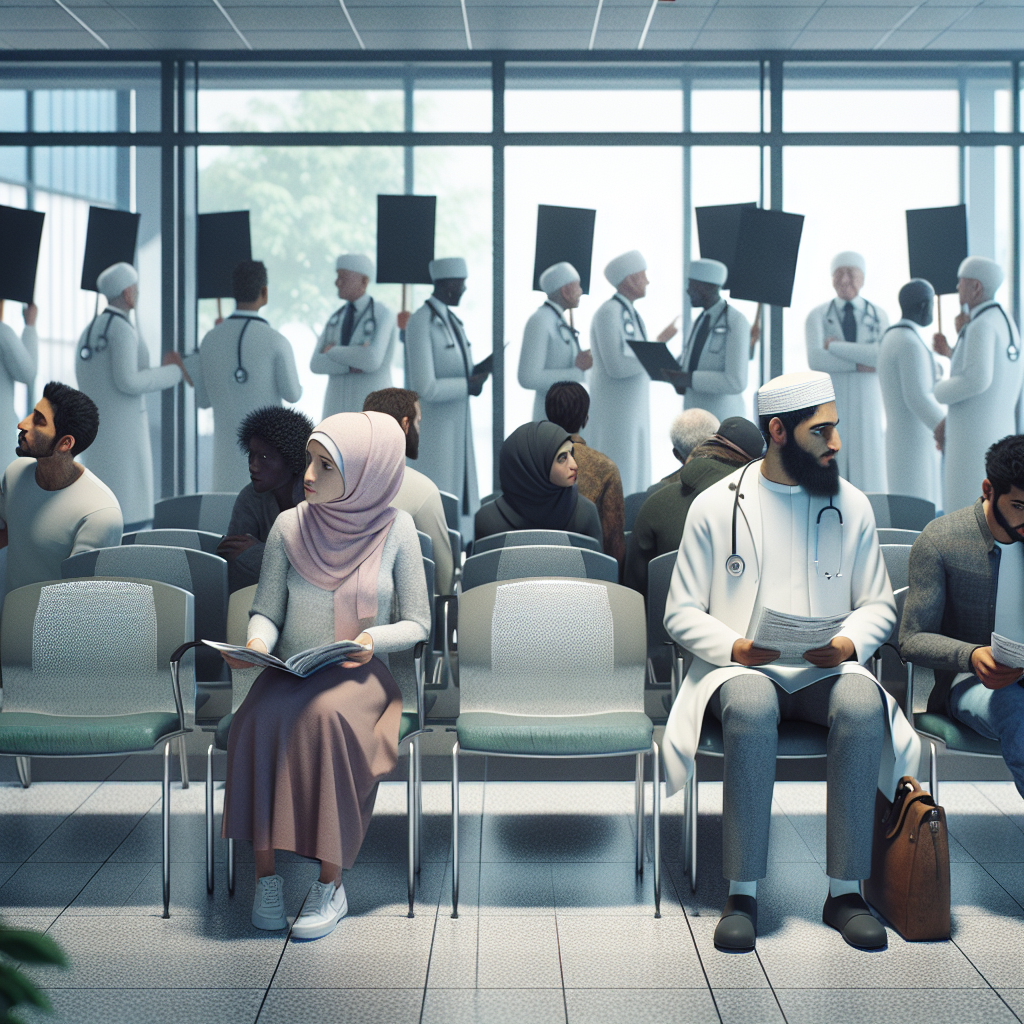
As the NHS braces for a five-day strike beginning Wednesday at 07:00, patients are urged to anticipate significant service disruptions. With increasing flu cases putting pressure on hospitals, NHS bosses warn that non-urgent services will be heavily impacted.
This marks the 14th strike by resident doctors—formerly known as junior doctors—in a long-standing dispute over pay. Health Secretary Wes Streeting accused the striking doctors of timing the strike to maximize disruption and potentially endanger patient safety. However, the British Medical Association (BMA) reassured the public that they would cooperate with NHS authorities to ensure safety during the strike.
Despite last-minute discussions on Tuesday being described as "constructive," the parties remain far from an agreement. While NHS England has previously managed to keep many non-urgent operations running during earlier strikes, the current conditions—especially with escalating flu cases—raise concerns about the extent of disruption this time.
Medical director Prof. Meghana Pandit acknowledged the difficult circumstances, stating, "These strikes come at an immensely challenging time for the NHS." This sentiment resonates with biblical teachings about caring for one another, as illustrated in Galatians 6:2: "Carry each other’s burdens, and in this way, you will fulfill the law of Christ." The underlying message is that during times of discord, we must prioritize compassion and unity.
As resident doctors, responsible for nearly half of NHS services, prepare to walk out on both emergency and non-urgent care, senior doctors will be called in as substitutes, emphasizing the commitment to patient wellbeing in tumultuous times. The expectation is that this strike may impact patient discharges and surgical procedures even more significantly than in past strikes.
The BMA recently announced that its members voted overwhelmingly in favor of the strike. While the government proposed a plan to boost specialty training positions and cover certain expenses, it has yet to address the core issue of doctors’ pay, which the BMA claims has not kept pace with inflation.
In this challenging scenario, both sides are called to reflect on the ethical implications of their decisions, drawing parallels with Matthew 7:12: "So in everything, do to others what you would have them do to you." This can serve as a reminder for those in power to consider the human toll of their decisions, particularly in sectors as critical as healthcare.
As we witness this labor dispute within the NHS, it invites us to ponder the value of empathy and collaboration in resolving conflicts—not just in healthcare, but in our daily lives. Let us approach each situation with love and understanding, recognizing that our actions have a profound impact on those around us.
In the spirit of encouragement, may we remember that even during moments of strife, we can strive toward reconciliation and seek paths of mutual respect and care. This is a time not just for awareness and action, but for reflection on how we, in our own interactions, can embody the very values of kindness and cooperation that underpin a thriving community.
If you want to want to know more about this topic, check out BGodInspired.com or check out specific products/content we’ve created to answer the question at BGodInspired Solutions