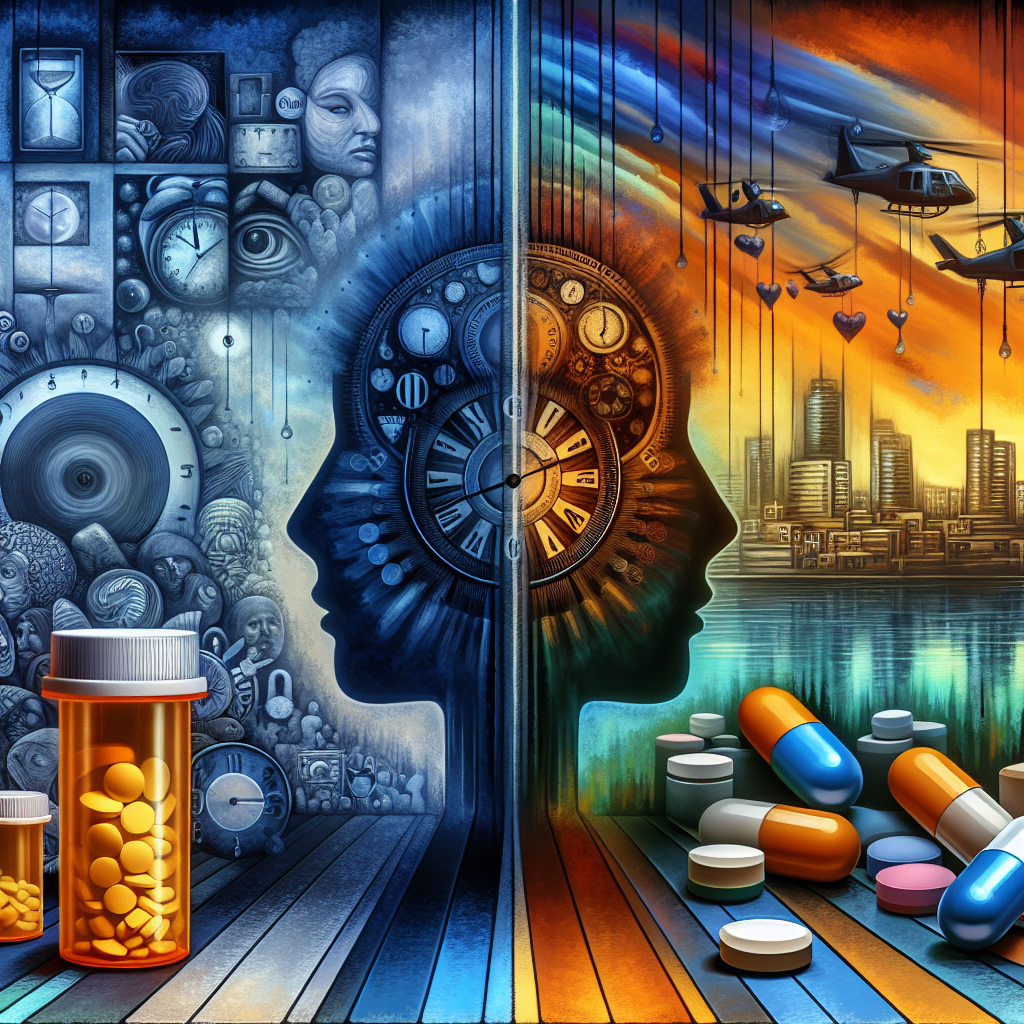
Rising Dependency on Sedatives Among Israelis Following October Conflict
Recent research from the Israel Center for Addiction and Mental Health (ICAMH) indicates a troubling trend among Israelis as the nation grapples with the aftermath of the October 7 terror attack and the ongoing war. The study suggests that many are turning to prescription sedatives and other medications as coping mechanisms, leading to a dangerous rise in dependence.
Sharp Increase in Sedative Misuse
The study, “Prevalence of Substance and Behavioral Addictions and Common Mental Health Disorders in Israel, 2022–2025,” reveals a significant jump in sedative misuse. Data collected from nationally representative samples showed that misuse climbed from 3.8% in 2022 to 10.6% in December 2023, and remained almost unchanged at 10.2% in February 2025. This spike in usage aligns with the stresses brought on by the conflict, with various sedatives—such as benzodiazepines and sleep aids—becoming common therapeutic choices in times of high anxiety.
"People are under stress and using coping mechanisms they are used to," noted Professor Dvora Shmulewitz of ICAMH. This statement underscores a broader concern—when individuals begin self-managing their medication without proper guidance, the potential for misuse increases steeply.
Psychological Implications Beyond Misuse
While prescription sedative misuse has garnered significant attention, it’s important to recognize that the mental health landscape is equally alarming. Over 15% of respondents reported problematic use of at least one substance or behavior by early 2025. Additionally, symptoms of PTSD, anxiety, and depression continue to rise among the population, signaling deeper societal issues fueled by ongoing conflict.
The Bible reminds us in Philippians 4:6-7: “Do not be anxious about anything, but in every situation, by prayer and petition, with thanksgiving, present your requests to God. And the peace of God, which transcends all understanding, will guard your hearts and your minds in Christ Jesus.” This scripture illustrates the importance of seeking divine peace in tumultuous times, rather than turning solely to medications as a means of coping.
Ongoing Efforts for Intervention
Acknowledging the rising dependence on sedatives, health professionals are now focused on education and intervention strategies. Dr. Paola Rosca from Hebrew University emphasized that many physicians are being trained to recognize early signs of medication misuse. Moreover, the Health Ministry is expanding outpatient addiction services, particularly in non-stigmatizing environments, to assist those in need.
However, the challenge remains significant. As the data indicates, the psychological toll on the population—especially among children and adolescents—has shown a troubling trajectory. Maccabi Health Services has reported a staggering 307% increase in PTSD diagnoses among minors in recent years, further highlighting the urgent need for effective mental health strategies.
An Invitation to Reflect
In light of these challenges, individuals are encouraged to consider healthy coping mechanisms, including prayer, therapy, and community support. The promise of Proverbs 3:5-6, which urges us to trust in the Lord with all our heart and lean not on our own understanding, is particularly pertinent in times of distress.
As we navigate these complex issues, this situation serves as a reminder to lean on our faith and each other for support, while acknowledging the importance of professional help.
Encouraging Takeaway: Let us reflect on how we can foster resilience not just through external solutions but also by nurturing our spiritual well-being. In a world that may seem increasingly chaotic, we can find strength in our faith and community, ultimately leading to healthier coping strategies.
Explore and dig up answers yourself with our BGodInspired Bible Tools! Be careful – each interaction is like a new treasure hunt… you can get lost for hours 🙂