Bird Flu Outbreak Linked to Raw Pet Food Affects Cats Across the US
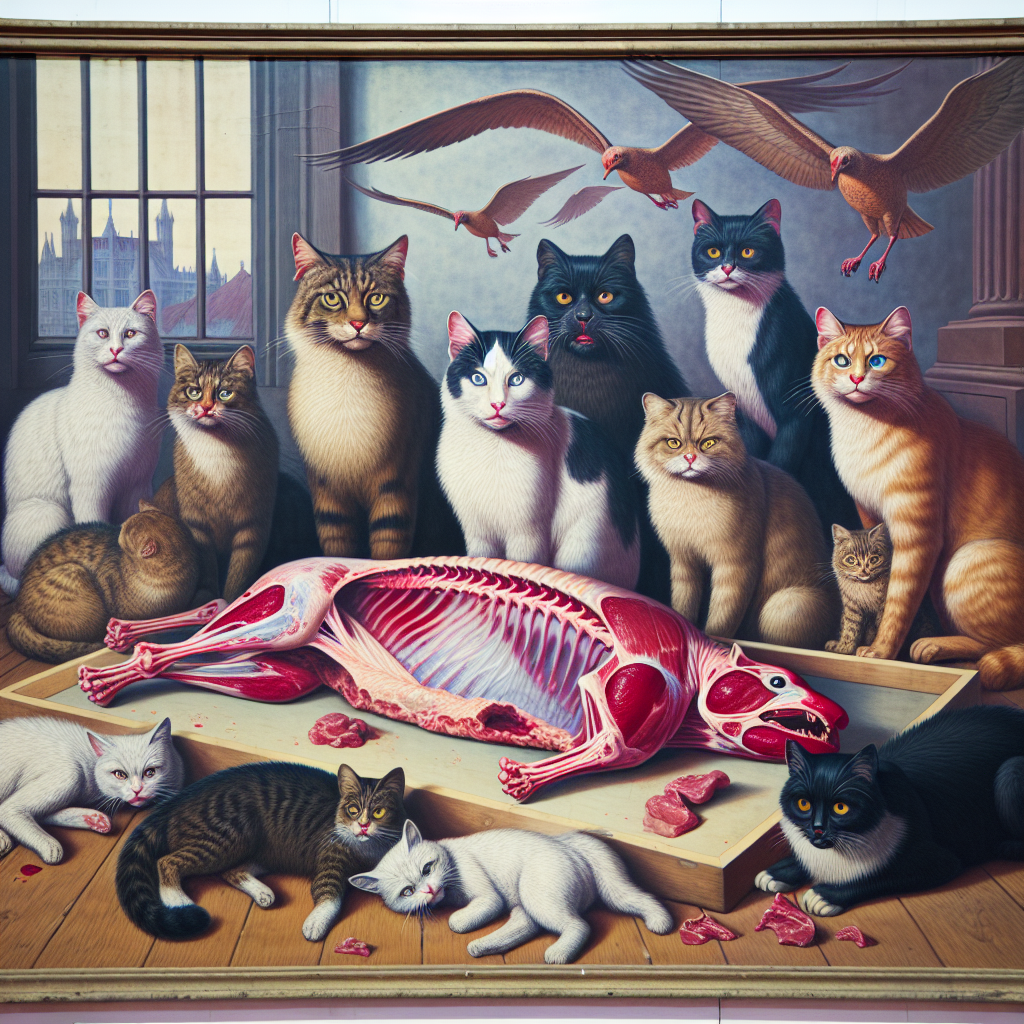
In a concerning development, the Food and Drug Administration (FDA) has reported that raw food contaminated with bird flu has led to the illness and death of over a dozen house cats in multiple states across the United States. In a statement released this week, the FDA highlighted that 13 domestic cats in eight households, along with one exotic cat in another household, have been affected, alongside an unknown number of animals at two large cat sanctuaries. Reports of these cases have emerged from California, Colorado, Oregon, and Washington.
Experts warn that the H5N1 bird flu, particularly dangerous to felines, can be contracted through consumption of products from infected poultry – including raw meat and unpasteurized milk – leading to severe illness or death. Dogs, on the other hand, tend to experience milder symptoms and lower mortality rates.
Since the outbreak began last March in Texas and Kansas, the FDA has urged manufacturers of pet food to re-evaluate their food safety protocols, specifically to consider the risks posed by H5N1, which has already led to the deaths of numerous animals nationwide. Notably, the previous year saw the tragic demise of twelve barn cats in Texas due to infected raw milk consumption, while an additional twenty exotic cats, including a Bengal tiger, succumbed to the virus in December at a sanctuary in Washington.
As this outbreak continues to unfold, the implications are more significant than mere statistics. Reflections on such crises often reveal a deeper call towards stewardship and care for God’s creation. The biblical principle of stewardship emphasizes our responsibility to care for every creature. In Genesis 1:26, we are reminded of our role as caretakers: “Then God said, ‘Let us make mankind in our image, in our likeness, so that they may rule over the fish in the sea and the birds in the sky, over the livestock and all the wild animals, and over all the creatures that move along the ground.’”
Translating this into action today, we are encouraged not only to protect our pets but also to ensure their diets are safe and nutritious. In this endeavor, we reflect on our values of love and responsibility towards all of God’s creations. Just as Jesus taught us to love one another, we are also called to exhibit compassion and care for our animal companions.
It’s worth considering the broader implications of this situation: how we obtain the foods we consume, both for ourselves and the animals we nurture. In handling the evolving challenges of food safety and health, we must strive towards a holistic understanding of well-being that honors all creation.
As we navigate through this unsettling time, let us be reminded of the call to act justly and with love. Each action we take, whether in caring for our pets or making informed choices, can emanate from a place of love and stewardship that reflects the heart of Jesus’ teachings.
In the face of such challenges, allow yourself to ponder this invitation: how might we foster a greater sense of care and responsibility in our daily lives, for both humanity and the creatures entrusted to our care? As we seek understanding, may we also find hope and renewal through faith, knowing that every small step contributes to a larger purpose in our communities and the world at large.
Explore and dig up answers yourself with our BGodInspired Bible Tools! Be careful – each interaction is like a new treasure hunt… you can get lost for hours 🙂