Title: Scientists Uncover Secrets of the Messinian Salinity Crisis: A Lesson for Today’s Environmental Challenges
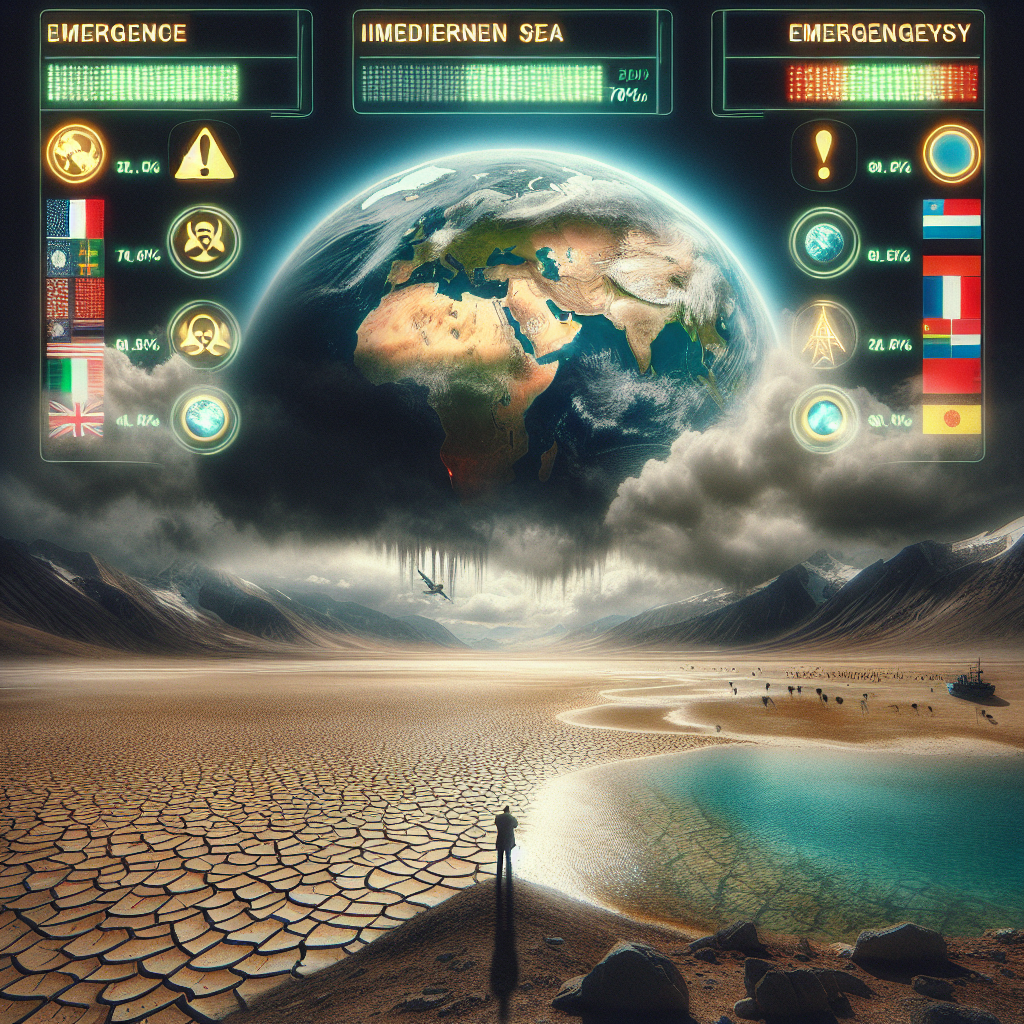
Around 6 million years ago, a remarkable geophysical event forever changed the Mediterranean Sea, transforming it into a vast salt basin during what is known as the Messinian Salinity Crisis. New research has shed light on the mechanisms behind this extraordinary transformation, revealing insights that may resonate with our modern context, suggesting a profound connection to biblical teachings of stewardship and resilience.
The Mystery of Salt Accumulation
For years, scientists have been puzzled by how an estimated one million cubic kilometers of salt managed to settled at the bottom of the Mediterranean in such a relatively short time. Recent analysis of chlorine isotopes present in this ancient salt has unveiled two distinct phases—one lasting approximately 35,000 years in the eastern Mediterranean, and a second phase of rapid salt deposition across the entire region in less than 10,000 years.
The scientific significance of this research highlights the drastic environmental changes stemming from alterations in sea levels. During this period, the Mediterranean’s water volume plummeted by up to 70%, embodying the unpredictability and power of nature.
Consequences and Connections
This event not only transformed marine environments but also had far-reaching effects, including potential volcanic eruptions triggered by shifting geological pressures and an influence on global climate systems. Such dramatic upheavals serve as a reminder of the intricate balance within our ecosystems, emphasizing the importance of care and stewardship over creation, reflective of Jesus’s teachings on the significance of nurturing what has been entrusted to us.
As we navigate modern climate challenges, this historical perspective prompts us to contemplate the importance of preserving our natural environments. Scripture encourages such stewardship, as demonstrated in Genesis 2:15, which states, “The Lord God took the man and put him in the Garden of Eden to work it and take care of it.”
Resilience Amidst Change
The Messinian crisis also posed serious challenges for marine life, leading to extinction among species unable to adapt to the new, extreme salt conditions. However, fossil evidence suggests that some extremophiles—organisms adept at surviving in adverse conditions—managed to endure. This resilience amidst turmoil echoes the biblical principle that challenges can lead to growth; as noted in Romans 5:3-4, “Not only so, but we also glory in our sufferings, because we know that suffering produces perseverance; perseverance, character; and character, hope.”
A Path to Restoration
Eventually, the collapse of the Strait of Gibraltar allowed Atlantic waters to cascade back into the Mediterranean, marking a slow recovery to a vibrant sea teeming with life. This restoration process underscores the hope found in recovery and renewal, reminding us that, while our actions can lead to devastation, they can also pave the way for healing and revitalization.
Lessons for Today
As we reflect on the lessons gleaned from the Messinian Salinity Crisis, we are invited to think about our own relationship with the earth. How do our actions impact the balance of ecosystems? In times of environmental distress, such as drought or pollution, can we find hope and resilience as the early organisms did?
Let us take to heart the call to be responsible stewards of our planet. In the face of contemporary environmental issues, we can find inspiration from the past, coupled with biblical wisdom, to navigate challenges and cultivate hope for future generations. As we work together in stewardship, may we remember the words of Jesus in Matthew 25:23: “Well done, good and faithful servant; you have been faithful over a little; I will set you over much. Enter into the joy of your master.”
Encouraging Takeaway
In a world often fraught with turmoil and uncertainty, the story of the Mediterranean’s past encourages us to seek hope and renewal amid challenges. Em brace the lessons from history, nurture the earth, and cultivate faith in our ability to create a better future for ourselves and the generations that follow. How will you respond to this call to stewardship?
Explore and dig up answers yourself with our BGodInspired Bible Tools! Be careful – each interaction is like a new treasure hunt… you can get lost for hours 🙂