 0
0
 0
0
Elite Athletes Face Nutritional Deficiencies Despite Performance Demands
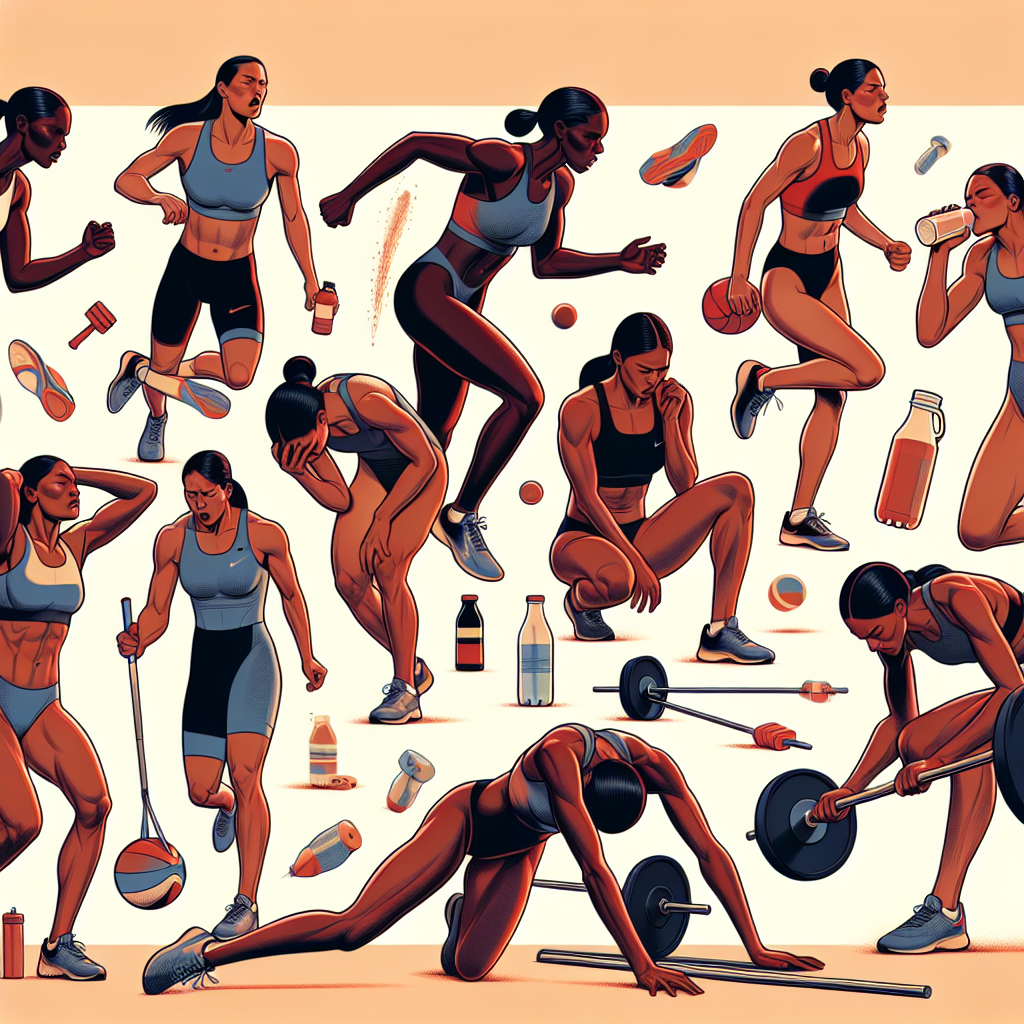
Athletes are often compared to finely tuned machines, and just as a Formula 1 team wouldn’t fuel their cars with substandard gasoline, elite sports professionals must also nurture their bodies with quality nutrition. A recent study focusing on women’s Australian Rules Football (AFLW) shines a light on the alarming nutritional gaps that persist even among the most dedicated athletes.
Nutrition is a cornerstone of athletic performance, crucial for training, performance, and recovery. The study reiterates that carbohydrates and protein are the two most critical macronutrients for athletes. Carbohydrates not only provide the energy necessary for exercise but also sustain performance and assist in recovery. Meanwhile, protein plays a vital role in repairing and building muscle. Yet, the findings suggest that many athletes struggle to meet their daily requirements.
Finding the Right Balance
Specific guidelines exist for carbohydrate and protein intake, tailored to the type, intensity, and duration of an athlete’s training. Yet, in the AFLW study, over 80% of players were found to fall short of their carbohydrate needs throughout the season, with only 18% meeting requirements on match days. This shortfall not only hinders athletic performance but may also have broader health implications, including the risk of low energy availability and a condition known as Relative Energy Deficiency in Sport (RED-S), which can lead to mood disturbances, reduced sleep quality, and compromised general health.
This issue isn’t isolated to AFLW players; research highlights a similar trend among women athletes across various sports. A systematic review indicated that over half of female athletes typically do not meet the recommended carbohydrate intake necessary for optimal performance.
Understanding the Underlying Issues
The reasons behind these nutritional deficiencies may stem from various societal pressures and personal challenges. Influences from social media promoting low-carb diets and the time commitments of semi-professional athletes juggling work and training can affect an athlete’s dietary choices. Some athletes report gastrointestinal discomfort and suppressed appetite, further complicating their nutritional needs.
As athletes gear up for competition, the timing and types of carbohydrates consumed become critical. While post-exercise carbohydrate intake appears adequate, pre-game consumption remains a challenge – a misconception that could stem from widespread dietary fads and misconceptions about carbohydrate intake.
A Path Forward: Nourishment through Faith
Addressing these issues requires not only a shift in diet but also a reevaluation of attitudes toward food. The biblical principle of stewardship encourages individuals to care for their bodies as sacred vessels, promoting well-being and performance. In 1 Corinthians 6:19-20, we are reminded that our bodies are temples of the Holy Spirit, thus calling us to honor them through mindful choices.
Athletes are encouraged to adopt a "food-first" approach, highlighting the importance of daily nourishment before considering sports supplements. Practical strategies for increasing carbohydrate intake and energy levels can be achieved through everyday foods that support performance goals.
An Encouraging Takeaway
As we reflect on the nutritional landscape for female athletes and the broader community, we are reminded of the importance of treating our bodies with respect and care. We may not all be performing on the field, but we each have opportunities for self-care and healthy choices in our daily lives.
Let this call to better nutrition serve as an invitation to reflect on how we can better nurture our bodies with the resources we are given. In every corner of our lives, may we strive to honor our vessels, recognizing that healthy choices not only enhance performance but also resonate with the deeper spiritual truth of valuing the life we are gifted.
Explore and dig up answers yourself with our BGodInspired Bible Tools! Be careful – each interaction is like a new treasure hunt… you can get lost for hours 🙂