 0
0
 0
0
India Faces a Tuberculosis Crisis Amid Government Promises
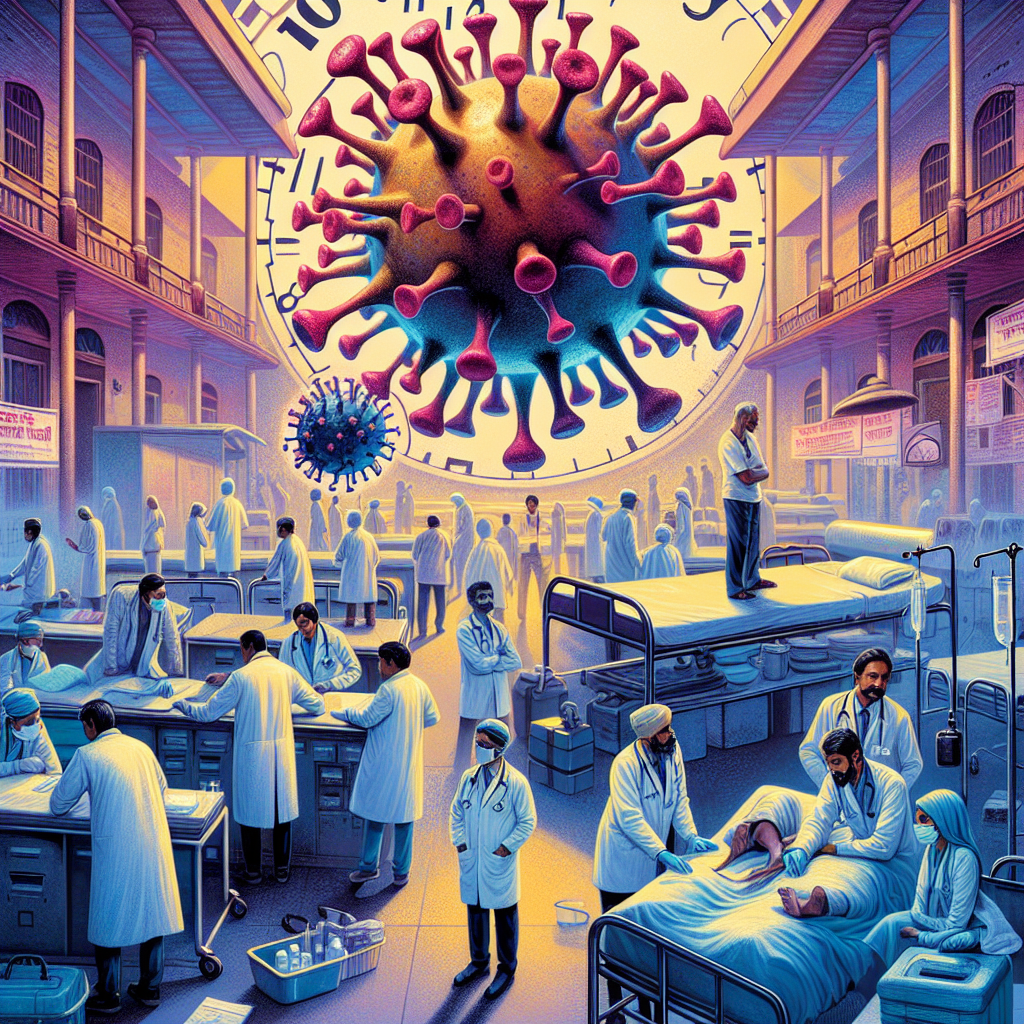
Mumbai — In the bustling suburb of Govandi, Mumbai, the sound of relentless coughing resonates, warning of a deadly threat that has infiltrated nearly every corner of this impoverished community. Amid waterlogged, cramped living conditions made of tarpaulin and salvaged wood, tuberculosis (TB) is wreaking havoc, killing residents and destroying livelihoods.
Local doctors report that TB has impacted almost every second household in Govandi, showcasing a broader national health crisis. India accounts for 27% of the world’s TB cases and sees an average of two related deaths every three minutes, a staggering statistic from the World Health Organization (WHO).
Despite a government pledge to eliminate TB by the end of the year, experts caution that this goal is alarmingly out of reach, hindered by gaps in the health care system and socioeconomic barriers that complicate immediate intervention. Mehboob Sheikh, a 40-year-old father battling TB himself, lost his wife to the disease over a decade ago and now confronts the harsh realities of its impacts: job loss, severe health decline, and financial instability.
“I have lost a lot of weight, I can barely walk now,” Sheikh shared with CNN, offering a haunting glimpse into his daily struggle. Once earning approximately 15,000 rupees ($171) monthly, Sheikh now wrestles with affording his children’s school fees while his illness drains him of strength and stability.
These struggles reflect a profound human spirit battling against an unseen foe. As isolated communities like Govandi confront TB, they exemplify the biblical principle of caring for the least among us. Jesus taught in Matthew 25:40, “Truly I tell you, whatever you did for one of the least of these brothers and sisters of mine, you did for me.” This perspective invites us to act compassionately and not turn a blind eye to suffering.
The Indian government’s mission to eliminate TB faced additional challenges during the COVID-19 pandemic, which disrupted vital health services and redirected resources. While there has been some progress—a 17.7% reduction in cases since 2015—critical gaps remain, including staffing shortages and a reliance on outdated diagnostic methods.
Health worker Pramila Pramod emphasized the ongoing issues in Govandi, stating that despite efforts, the number of TB cases has remained constant over the past decade. Stigmas surrounding the disease keep many patients from even seeking treatment, exacerbating an already dire situation.
Nonetheless, innovative approaches are emerging. The government is embracing advanced technologies, including AI-powered X-ray machines, providing a faster and more accessible means of screening for TB in hard-to-reach areas. As one expert stated, progress may be slow, but every step forward aligns with the goal of extending compassion and care to all.
Yet, as Sheikh continues his treatment, he feels the weight of unmet promises. “No one has come to help us,” he lamented, illustrating the ongoing need for support and resources directed toward those in need.
Reflecting on this crisis offers us more than just a reminder of the precarious human condition; it is also an invitation to embody the principles of compassion as taught by Jesus. As communities grapple with such issues, we are challenged to consider how we can contribute to healing, whether through advocacy, support, or personal engagement in the lives of those suffering.
Ultimately, while enduring struggles are disheartening, they encourage us to look beyond ourselves, affirming the biblical call to care for one another. In this way, the fight against tuberculosis is not just a medical battle but a call to embody the love and compassion that transcends boundaries, resonating deeply in our collective spiritual journey.
Explore and dig up answers yourself with our BGodInspired App. Be careful – each interaction is like a new treasure hunt… you can get lost for hours 🙂