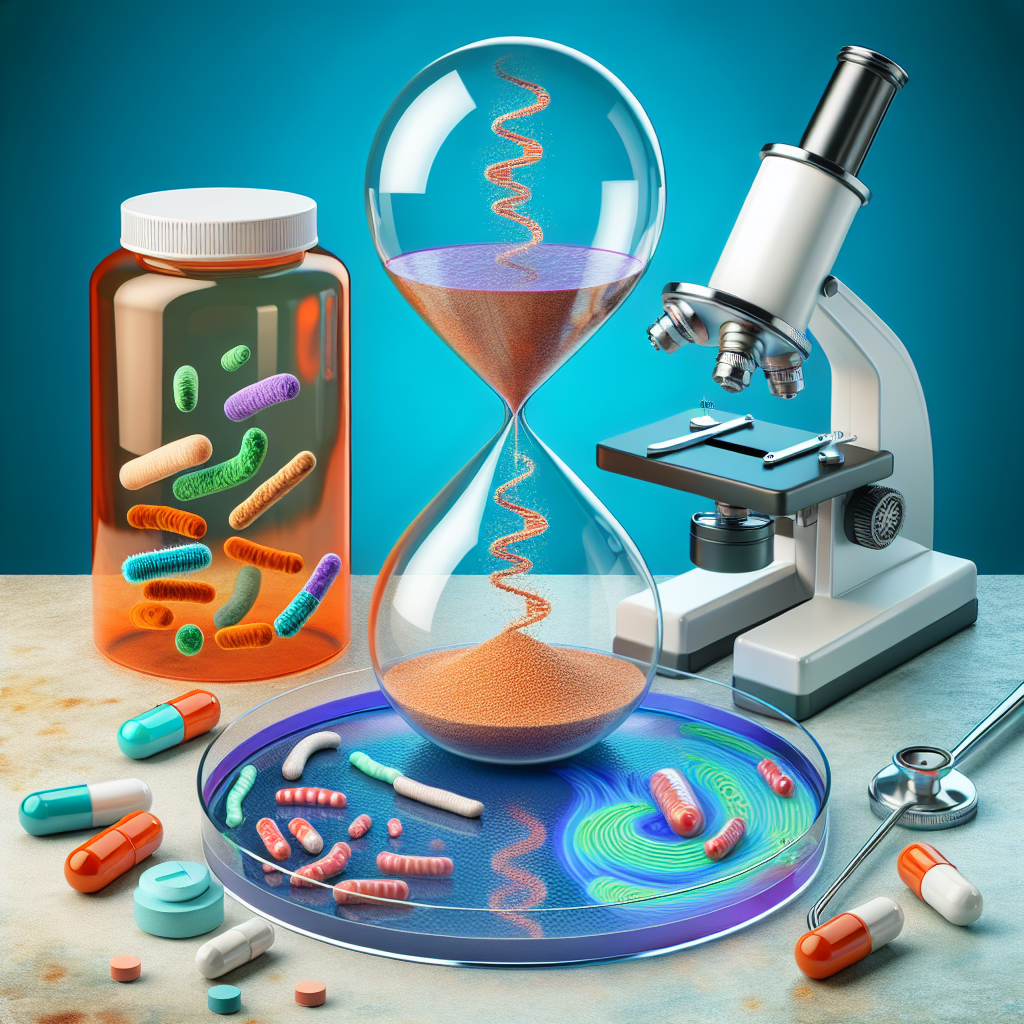
Gut Microbiome Changes Linked to Medication Use: A Study’s Revelations
Estonia – A groundbreaking study from Estonia has unveiled significant alterations in the gut microbiome—a complex ecosystem of microorganisms residing in our intestines—resulting from antibiotic and other medication use. This research, recently published in the journals of the American Society for Microbiology, highlights the profound and often long-lasting impact of various drugs on our health, as reported by Fox News.
The Scope of the Study
Analyzing stool samples from 2,509 individuals and their corresponding electronic health records from the past five years, researchers discovered that 89.8 percent of the 186 medications examined were associated with changes in the microbiome. Notably, this included not only antibiotics but also antidepressants and cold medications. The researchers even followed up with a subset of participants approximately 4.4 years later to assess long-term effects.
According to the findings, individuals who took medications multiple times or for extended periods experienced greater disturbances to their gut microbiome. Even medications taken years earlier were linked to lasting changes, underscoring the potential for accumulated effects over time. This phenomenon raises critical questions about how our choices impact not just immediate health but also our holistic well-being.
A Call for Reflection
Dr. Marc Siegel, chief medical analyst at Fox News, commented on the study, suggesting that the adage "you are what you eat" may need revision to "you are what you take in terms of medications as well." Such statements touch on a deeper truth: our choices—whether dietary or medicinal—shape who we are at multiple levels. As Christians, this invites an introspective moment to consider how we care for our bodies, recognized as temples (1 Corinthians 6:19-20).
The Limitations of the Study
While the findings present compelling insights, the researchers also acknowledged some limitations. The study focused exclusively on prescription medications, leaving a gap concerning over-the-counter drugs and other lifestyle factors that could alter gut health. This highlights the complexity of our bodies and the need for a holistic approach to health.
Looking Ahead
The implications of this study are significant, stirring curiosity about the relationship between medications, gut health, and broader health concerns. Dr. Siegel emphasized the potential repercussions on both metabolic functions and mental health, linking physical health to emotional and spiritual well-being.
The biblical principle of stewardship resonates here. As we consider what we consume—whether food or medications—we are reminded to be vigilant caretakers of our bodies, as each choice reflects our values and deepens our faith.
Encouraging Takeaway
As we reflect on these findings, the message from Proverbs 4:20-22 reinforces the importance of being mindful about our health choices: “My son, pay attention to my words; turn your ear to my sayings. Do not let them out of your sight, keep them within your heart; for they are life to those who find them and health to one’s whole body.”
Let this study encourage us not just to be aware of what influences our health but also to pursue balanced living, aligning our choices with dignity, love, and respect for the bodies we’ve been gifted.
Explore and dig up answers yourself with our BGodInspired App. Be careful – each interaction is like a new treasure hunt… you can get lost for hours 🙂