Are We Being Misled by Food Labels? A Closer Look at “Healthy” Claims
In today’s health-conscious world, consumers are inundated with food products claiming to be “healthy.” However, a deeper dive reveals that many of these claims might hold little legal weight. This raises important questions not only about nutritional value but also about how we interpret such messages.
Luca Cian, a marketing professor at the University of Virginia’s business school, explains that terms like “all natural” do not have a legal definition. “When you see ‘all natural,’ it doesn’t mean much at all legally,” he states. This label lures consumers into a false sense of security regarding the food’s health benefits, often overshadowing critical nutritional information.
Consider the phrase “90% fat free.” While it sounds appealing, it also implies that the product contains a notable 10% fat, which may be overlooked by consumers focused solely on the optimistic phrasing. This linguistic tactic skews perception, making items seem healthier than they are.
The term “clean eating” adds another layer of confusion. With no official standard to define it, consumers can find everything from salads to sweets labeled as ‘clean,’ further obscuring what healthy eating truly entails.
Cian cautions about the use of “protein” in marketing as well. Emphasizing protein content can mislead consumers into thinking a product is healthier, as society has come to associate protein with fitness and well-being. Additionally, visuals play a significant role; packaging adorned with green hues, flowers, or even softer shapes can trigger a bias, leading consumers to associate such products with healthfulness.
The Bible reminds us of wisdom in our choices, encouraging discernment in all aspects of life. As Proverbs 4:7 states, “The beginning of wisdom is this: Get wisdom. Though it cost all you have, get understanding.” This spiritual principle invites us to look beyond surface-level appeal and seek deeper understanding—especially when it comes to the food we consume.
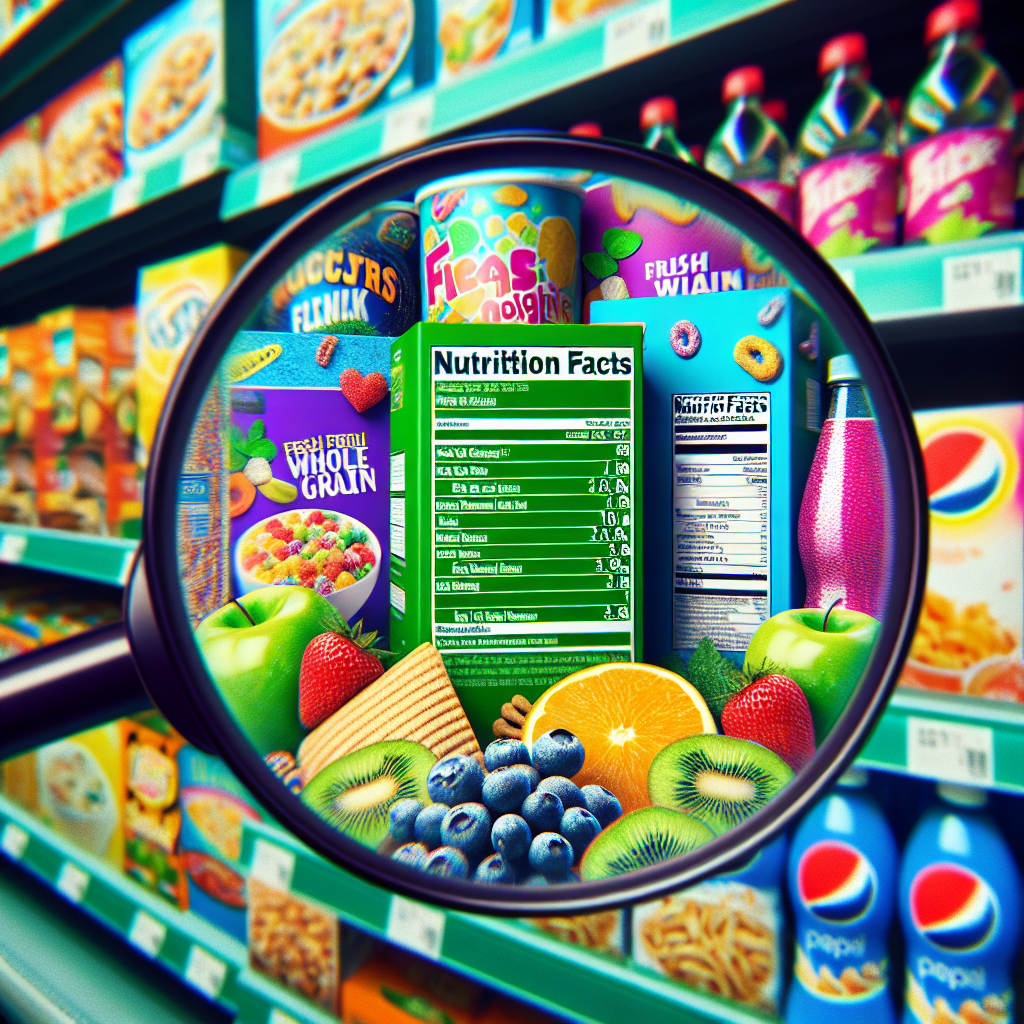
To truly make informed choices, Cian recommends examining the nutritional label on the packaging. Focus on calories, fat, protein, and sugars, as terms like “zero sugar” or “low fat” can often be misleading.
As we navigate the complexities of nutrition and marketing, it’s imperative to remain vigilant and discerning. In a world where words can create illusions, let us strive for clarity and wisdom in our decisions.
In closing, consider this: While food can nourish our bodies, the choices we make should also reflect our values, including health, integrity, and authenticity. As you shop for your next meal, reflect on how your choices align with the principles of wisdom and understanding, for both body and spirit.
Explore and dig up answers yourself with our BGodInspired Bible Tools! Be careful – each interaction is like a new treasure hunt… you can get lost for hours 🙂