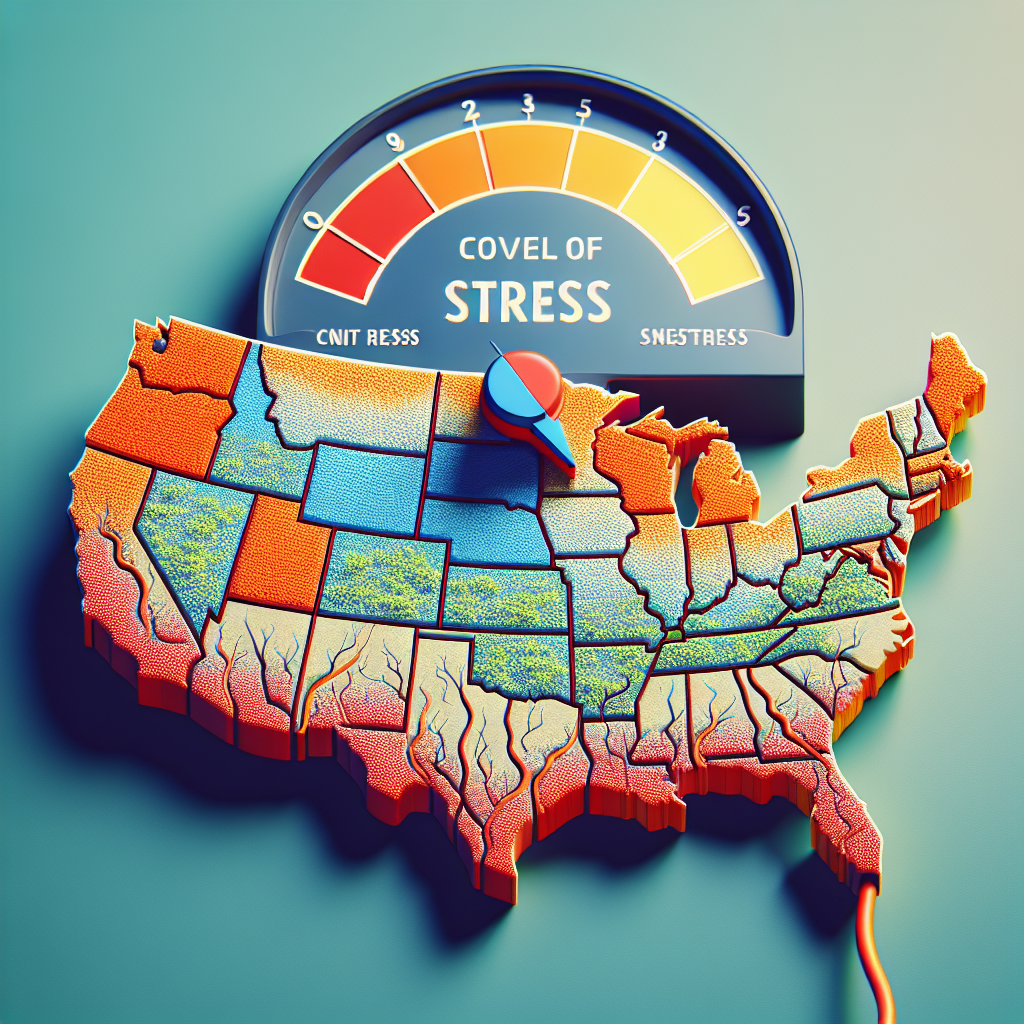
Stress Levels Revealed: Connecticut Ranks Among the Least Stressed States in 2025
As April marks Stress Awareness Month, many individuals may be pondering their own stress levels amid the relentless pace of modern life. In a revealing report by WalletHub, Connecticut has emerged as the ninth least stressed state in the nation, boasting an overall rank of 42. This data provides a glimpse into the complexities of stress that residents across the country are grappling with.
How Stressed is Connecticut?
Connecticut’s relatively positive ranking highlights several key statistics that contribute to its lower stress levels. Notably, residents work an average of 43 hours per week, with only 26% managing to get adequate sleep. Unfortunately, the state also faces challenges, including a 49% rate of adults reporting fair or poor health and a troubling 40% living in poverty. What these figures suggest is a mixture of resilience and vulnerability, a balance explored further in the broader context of stress management.
The Most Stressed States: Who Tops the List?
WalletHub’s report offers a stark comparison by identifying the states with the highest stress levels. New Mexico leads this list, followed closely by Nevada, Louisiana, and West Virginia. These states grapple with a range of factors including higher crime rates and economic instability—elements that significantly contribute to the stress levels of their residents.
The Least Stressed States: A Closer Look
At the other end of the spectrum, the study identifies Nebraska as the least stressed state, followed by Minnesota and New Hampshire. As we survey these rankings, it’s clear that various factors—including job security, health, and community safety—play crucial roles in shaping the stress landscape across the nation.
An Analytical Perspective on Stress Management
In an insightful commentary, Chip Lupo, a WalletHub analyst, emphasizes that managing stress can be achieved through simple lifestyle choices—engaging in physical activity, pursuing hobbies, and even seeking mental health assistance. He notes, "changing location can also be a big stress reducer. States that have lower crime rates, better health care, and better economies tend to have much less stressed residents."
This perspective resonates with biblical principles of well-being. For many, faith provides a refuge from the pressures of daily life. Jesus taught about rest and renewal, advising believers, "Come to me, all you who are weary and burdened, and I will give you rest" (Matthew 11:28, NIV). This promise encourages individuals to seek solace not just in action but in a deeper relationship of trust and restfulness.
A Reflective Takeaway
The findings from WalletHub’s report reveal that while certain circumstances can lead to higher stress levels, personal well-being can be enhanced through mindful choices and community support. As residents reflect on their own stress levels, it can be fruitful to consider how a deeper connection to one’s faith—drawing on the comfort and wisdom found in biblical teachings—may serve to alleviate burdens and foster a sense of peace.
In navigating the complexities of life, let us remember the promise of rest and renewal available through faith. As we encourage one another to manage stress, may we also invite a spirit of hope and community that uplifts us all. How might you incorporate small changes or moments of reflection in your day-to-day life to create a more peaceful existence?
Explore and dig up answers yourself with our BGodInspired Bible Tools! Be careful – each interaction is like a new treasure hunt… you can get lost for hours 🙂