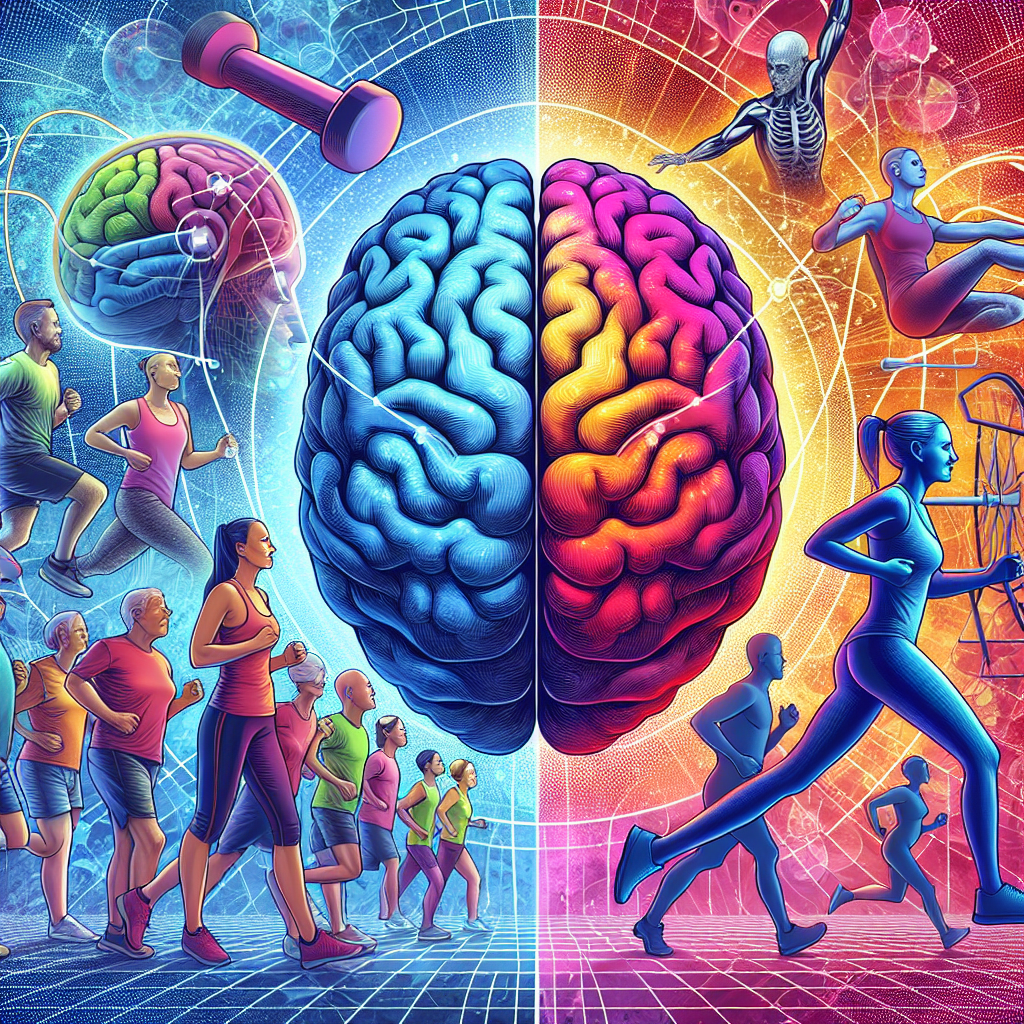
Exercise: A Potential Key to Lowering Alzheimer’s Risk
Recent scientific research suggests that engaging in regular physical activity may significantly reduce the risk of developing Alzheimer’s disease. A study reveals that exercise enhances brain health by promoting the production of a protein crucial for the formation of new neurons, ultimately leading to improved cognitive function. This exciting discovery sheds light on a critical aspect of Alzheimer’s prevention, creating a buzz of hope amidst our aging population.
The findings indicate that individuals who maintain a consistent exercise routine not only enjoy better physical health but may also foster stronger mental acuity. The study emphasizes aerobic and strength-training workouts, revealing that such activities can increase levels of brain-derived neurotrophic factor (BDNF), a protein pivotal in supporting the survival of existing neurons and encouraging the growth of new ones.
As the research unfolds, it echoes a timeless principle that underscores the body as a temple, a teaching rooted in scripture. In 1 Corinthians 6:19-20, we are reminded, "Do you not know that your bodies are temples of the Holy Spirit, who is in you, whom you have received from God? You are not your own; you were bought at a price. Therefore honor God with your bodies." This call to honor our bodies inspires a holistic approach to health, emphasizing the importance of caring for both our physical and mental well-being.
Engaging in physical exercise does not only benefit our immediate health; it offers a nurturing environment for our minds. With a faith-based lens, we can view exercise as an act of stewardship over the lives we’ve been given. Just as the Bible emphasizes the importance of caring for one another, the findings reinforce the significance of caring for ourselves in service to others.
Additionally, the communal aspects of exercise – be it in group classes or sports – resonate with the biblical principle of community. Hebrews 10:24-25 advises believers to "consider how we may spur one another on toward love and good deeds," highlighting that physical wellness can be a means of encouragement in our spiritual journeys.
In conclusion, the intersection of science and faith presents a compelling narrative about the benefits of physical activity. Those looking to lower their Alzheimer’s risk through exercise also engage in a holistic practice that nourishes body and spirit.
As we reflect on this message, let us consider: how can we honor our bodies through exercise while fostering a community spirit that uplifts those around us? Embracing this journey not only promotes our physical and mental health but also deepens our commitment to living a life that glorifies God and serves others.
If you want to want to know more about this topic, check out BGodInspired.com or check out specific products/content we’ve created to answer the question at BGodInspired Solutions