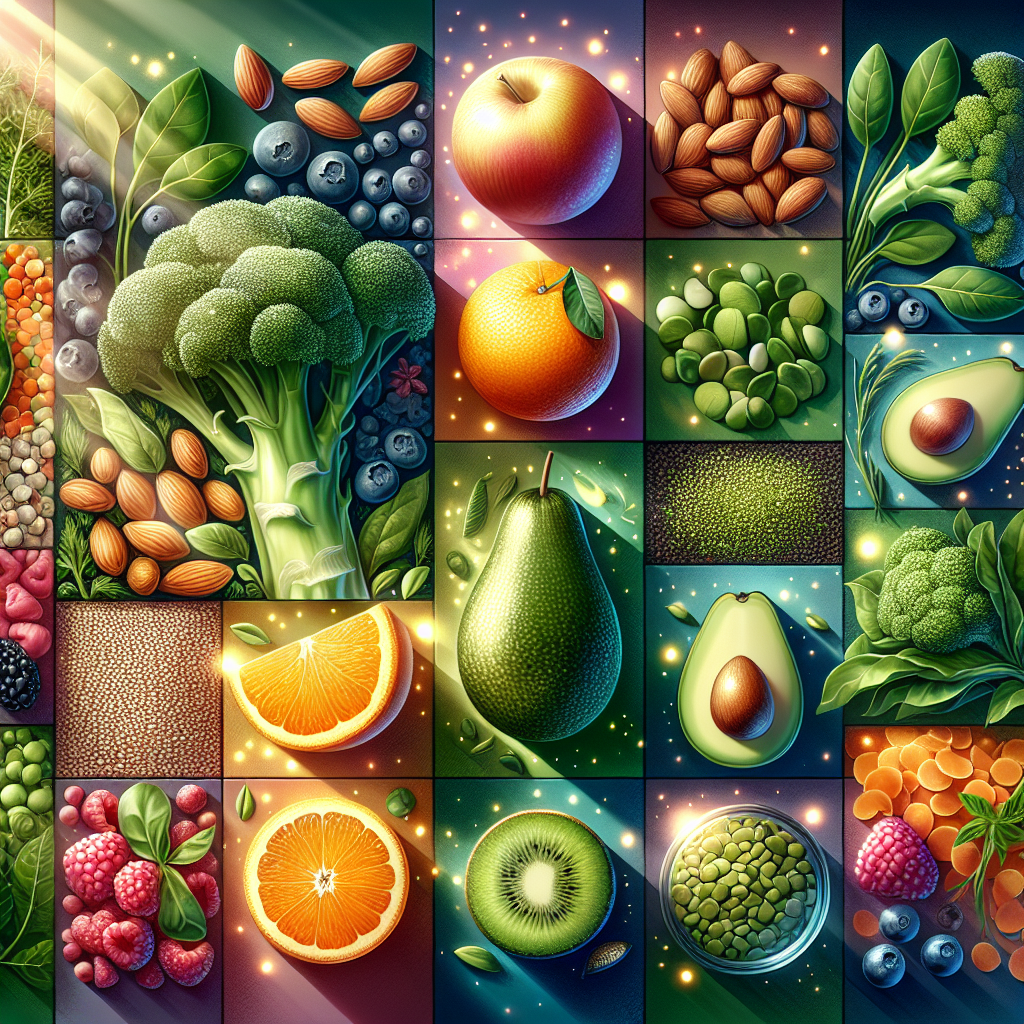
The Key to Healthy Aging: A Plant-Based Diet
Aging gracefully isn’t about miracle supplements or expensive wellness fads; it’s about what you eat, say health experts. Increasingly, research emphasizes that incorporating more plant-based foods into your diet can help reduce the risk of chronic diseases and even enhance brain function as we age.
One shining example comes from the Blue Zones, unique areas where residents regularly live past 90 years in good health. These regions have one thing in common: a largely plant-oriented diet. But amongst the plethora of fruits, vegetables, grains, and legumes, certain foods rise to the top for their ability to promote healthy aging. Here are ten such foods, supported by research, to consider adding to your table.
1. Leafy Greens
Spinach, kale, and Swiss chard are often deemed nature’s multivitamins. Rich in vitamin K, calcium, and antioxidants, they support bone and cognitive health. A study in Neurology revealed that regular consumers of leafy greens enjoy slower cognitive decline, suggesting your daily salad could protect your memory for decades to come.
Try it: Blend spinach into smoothies or toss arugula into grain bowls.
2. Berries
Berries are termed "brain food" for good reason. Packed with anthocyanins, they combat inflammation and oxidative stress—two factors that accelerate aging. Regular berry consumption is linked to improved memory and heart health.
Try it: Add a handful of berries to your breakfast oatmeal or yogurt.
3. Legumes
Beans, lentils, and chickpeas are staples in long-lived cultures, providing plant-based protein and fiber that lower cholesterol and support gut health. Studies connect these nutritious foods to lowered risks of heart disease and type 2 diabetes.
Try it: Whip up lentil soup or black bean tacos.
4. Nuts and Seeds
Rich in healthy fats and vitamins, nuts and seeds — think almonds, walnuts, and chia seeds — deliver numerous health benefits, including reduced inflammation and improved heart health. Eating nuts daily is associated with a lower risk of mortality, according to a long-term study.
Try it: Sprinkle seeds on salads or keep almonds on hand for snacks.
5. Whole Grains
Oats, quinoa, and brown rice are packed with fiber and essential nutrients. Replacing refined grains with whole grains significantly reduces heart disease risk, as highlighted by the American Heart Association.
Try it: Build bowls around quinoa or keep overnight oats ready in the fridge.
6. Cruciferous Vegetables
Broccoli, Brussels sprouts, and cabbage are rich in sulforaphane and other nutrients that support detoxification and cellular repair. Regular consumption is tied to lower risks of chronic diseases.
Try it: Roast Brussels sprouts for a delicious side dish.
7. Dark Chocolate
Yes, you read that right! Quality dark chocolate, when consumed in moderation, contains flavonoids that benefit heart health and improve brain circulation. It’s also a delightful mood booster.
Try it: Enjoy a square of dark chocolate with your afternoon tea.
8. Tomatoes
Packed with lycopene, tomatoes boost heart health and protect against cell damage. Interestingly, cooking tomatoes enhances their beneficial properties, making tomato-based dishes not just delightful but also nutritious.
Try it: Simmer tomatoes in soups or sprinkle fresh ones in salads.
9. Mushrooms
Mushrooms are celebrated for their immune-boosting properties and for being one of the few plant sources of vitamin D. This vitamin is crucial for bone health, especially as we age.
Try it: Sauté mushrooms for a savory side or add to stir-fries.
10. Sweet Potatoes
These root vegetables are packed with beta-carotene, fiber, and complex carbohydrates that provide sustained energy. Notably, sweet potatoes are common in many long-lived cultures as a staple food.
Try it: Bake sweet potato wedges or mash them for a comforting side.
A Biblical Perspective on Healthy Living
The connection between our diet and the quality of our lives resonates with biblical teachings on stewardship and care for our bodies. “Do you not know that your bodies are temples of the Holy Spirit?” (1 Corinthians 6:19) reminds us that our physical well-being is intertwined with our spiritual health. By nourishing our bodies with wholesome foods, we honor the life and health we’ve been given.
As you contemplate these ten key foods for healthy aging, consider how small, consistent choices can lead to profound changes. Rather than chasing after fleeting wellness trends, find joy in the simple goodness of nourishing foods — much like the bountiful harvest God provides for us.
Takeaway
Reflect on how eating well can be both a practical and spiritual practice, promoting physical health while honoring God’s creation. May your journey towards healthier eating inspire not only a longer life but also a deeper appreciation for the blessings on your plate.
Explore and dig up answers yourself with our BGodInspired App. Be careful – each interaction is like a new treasure hunt… you can get lost for hours 🙂